HILLSIDE INFERNO LEAVES HUNDREDS OF FAMILIES HOMELESS AS DISASTER STRIKES VULNERABLE DISTRICT

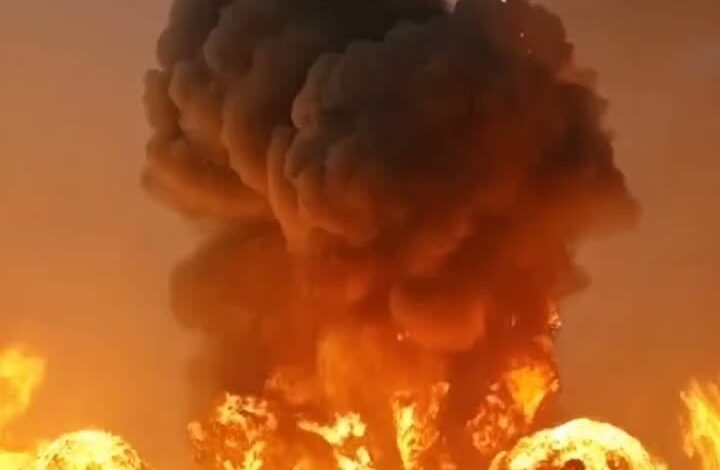
The road ahead is long, uncertain, and filled with challenges that few people could have imagined before disaster struck.
The financial cost of rebuilding more than 300 destroyed homes is immense. Insurance claims, permit approvals, contractor shortages, and rising construction costs will create obstacles that may take months—or even years—to overcome. Entire neighborhoods must be reconstructed from the ground up, requiring not only funding but patience, coordination, and sustained community support.
Yet amid the visible devastation, another question has begun to emerge.
How does a community recover from more than physical destruction?
How does it rebuild trust, security, and a sense of belonging after watching everything familiar disappear in a matter of hours?
For many residents, the loss extends far beyond walls and rooftops.
It includes family photographs that can never be replaced.
Handwritten letters carefully preserved for decades.
Children’s artwork displayed proudly on refrigerators.
Wedding albums.
Birthday cards.
Family heirlooms passed from one generation to the next.
The countless small objects that quietly hold the story of a life.
Fire makes no distinction between monetary value and emotional value. It consumes both with equal indifference.
That reality has made the grieving process particularly painful for many survivors.
Residents describe returning to the remains of their homes searching not for expensive belongings, but for fragments of memory.
A partially burned photograph.
A melted wedding ring.
A ceramic figurine somehow left standing amid the rubble.
A charred family recipe book.
To outsiders, such discoveries may appear insignificant. To those who lost everything, they often become priceless reminders that not every piece of their past has vanished.
The Hidden Wounds of Disaster
Mental health professionals warn that the emotional impact of disasters often lasts far longer than the physical damage visible on the landscape.
Buildings can be rebuilt.
Roads can be repaired.
Utilities can be restored.
But emotional recovery follows a much different timeline.
Many families are already experiencing anxiety, insomnia, grief, and uncertainty about the future.
Children who escaped the fire are struggling to understand why their homes no longer exist.
Parents find themselves balancing their own fears while trying to provide reassurance and stability for their families.
For some, simple sounds—such as sirens, helicopters, or even strong winds—can trigger memories of the disaster.
Psychologists emphasize that trauma does not simply disappear when the flames are extinguished.
It often resurfaces in unexpected ways, affecting sleep, concentration, relationships, and overall well-being.
That is why experts argue that recovery must be viewed as more than a construction project.
It is a human project.
A process of helping people rebuild confidence, stability, and hope alongside physical structures.
Stories of Courage and Compassion
Despite the tragedy, countless stories of courage have emerged throughout the district.
Neighbors risked their own safety to warn others as flames advanced.
Residents helped elderly individuals evacuate.
Local businesses donated food, clothing, and supplies within hours of the disaster.
Teachers transformed classrooms into temporary support centers.
Volunteer firefighters worked through exhaustion, refusing to abandon their posts even as conditions became increasingly dangerous.
Medical personnel treated evacuees while simultaneously worrying about their own homes and families.
These actions may not erase the pain of what happened, but they reveal something important.
Disasters often expose weaknesses within systems.
But they also reveal extraordinary strength within people.
When communities face crisis, acts of compassion frequently become the foundation upon which recovery begins.
Seeking Answers
As investigations continue into the cause of the fire, officials are expected to conduct comprehensive reviews of emergency preparedness measures throughout the region.
Residents want answers.
Not because answers can reverse the damage.
Not because answers can bring back what was lost.
But because understanding what happened is essential to preventing future tragedies.
Questions are already being raised about:
- Emergency evacuation routes
- Vegetation management practices
- Firebreak maintenance
- Emergency alert systems
- Availability of firefighting resources
- Infrastructure resilience during extreme weather conditions
Experts emphasize that disasters often reveal vulnerabilities that remain unnoticed during normal times.
Preparedness is easy to overlook when skies are clear.
Only after catastrophe strikes do weaknesses become impossible to ignore.
Lessons Beyond One Community
The conversation has now expanded far beyond the affected district.
Communities throughout the region are examining their own emergency plans and asking difficult questions.
Would local evacuation systems function effectively?
Are emergency resources sufficient?
How vulnerable are nearby neighborhoods?
Could similar conditions produce the same outcome elsewhere?
Fire safety specialists believe this increased awareness may ultimately become one of the few positive developments to emerge from such a devastating event.
While no community wants to learn these lessons through tragedy, awareness can lead to action.
And action can save lives.
The Reality of Starting Over
For families who lost everything, however, long-term policy discussions remain secondary to immediate realities.
Finding temporary housing.
Replacing identification documents.
Returning children to school.
Managing insurance claims.
Recovering employment records.
Obtaining basic necessities.
Creating new routines.
These practical challenges define everyday life after disaster.
Recovery rarely occurs through dramatic moments.
Instead, it happens through thousands of small steps.
One form completed.
One phone call returned.
One room rebuilt.
One family meal shared.
One day at a time.
A Community Refuses to Give Up
Despite the magnitude of the destruction, signs of determination are visible throughout the district.
They can be seen in volunteers unloading trucks filled with donations.
In neighbors sharing meals at temporary shelters.
In families sitting around folding tables making plans for the future.
In local businesses reopening despite uncertainty.
In children finding ways to laugh and play even amid disruption.
The fire may have destroyed buildings.
But it has not destroyed the bonds connecting the people who lived within them.
That resilience may ultimately become the community’s greatest strength.
Long after emergency crews leave and media attention moves elsewhere, residents will remain.
They will carry memories of what was lost.
They will face setbacks and frustrations.
They will continue grieving.
But they will also continue rebuilding.
Brick by brick.
Street by street.
Home by home.
More Than a Story of Loss
Years from now, when new homes stand where ashes once covered the ground, this disaster may be remembered for more than destruction.
It may also be remembered for the courage that emerged in its aftermath.
For the neighbors who helped one another.
For the volunteers who stepped forward.
For the families who refused to give up.
For the community that chose to rebuild rather than retreat.
Because while fire can erase buildings within hours, it cannot extinguish the determination of people who refuse to disappear.
The coming months will test that determination in ways few can fully anticipate.
Challenges remain.
Recovery will not be easy.
There will be obstacles, delays, and difficult days ahead.
Yet if support continues, if lessons are transformed into meaningful action, and if the spirit of solidarity that emerged during the darkest hours endures, then this devastated district may ultimately become something more than a symbol of tragedy.
It may become a symbol of resilience.
A symbol of recovery.
A symbol of hope.
And perhaps most importantly, a reminder that even after unimaginable loss, communities possess an extraordinary ability to begin again.