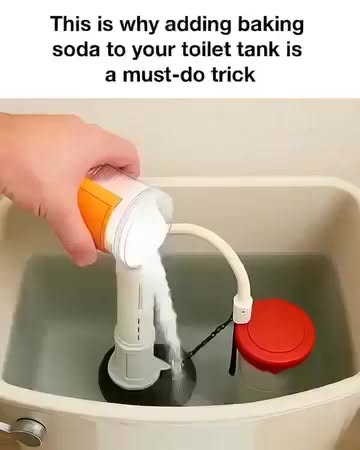
Baking soda is one of the most overlooked household products. Most people know it as a baking ingredient or a refrigerator deodorizer, but few realize that this inexpensive powder can play a valuable role in maintaining one of the most important fixtures in the home: the toilet.
While homeowners often focus on cleaning the toilet bowl, seat, and exterior surfaces, the toilet tank is frequently ignored. Hidden beneath the tank lid is a system of valves, seals, and moving parts that control every flush. When these components become coated with mineral deposits, bacteria, or residue, toilet performance can decline significantly.
Fortunately, baking soda offers a simple, affordable, and environmentally friendly solution.
Why Toilet Tanks Need Maintenance
The toilet tank serves as the heart of the flushing system. Every flush depends on clean, properly functioning components inside the tank, including the fill valve, flapper, overflow tube, and various seals.
Over time, several problems can develop:
- Mineral deposits from hard water accumulate on surfaces and moving parts.
- Bacteria can grow in standing water, creating unpleasant odors.
- Rubber components may deteriorate faster when exposed to harsh chemicals.
- Sediment buildup can reduce flushing efficiency.
Many commercial cleaning products promise quick results, but some contain bleach, ammonia, or other chemicals that can damage internal components over time. These products may temporarily eliminate odors while accelerating wear and tear inside the tank.
How Baking Soda Works
Baking soda, also known as sodium bicarbonate, works in several ways that make it particularly useful for toilet maintenance.
Odor Neutralization
Rather than masking odors with artificial fragrances, baking soda neutralizes odor-causing compounds. Its alkaline nature helps create an environment that discourages the growth of bacteria responsible for unpleasant smells.
Mineral Deposit Reduction
Hard water contains dissolved minerals such as calcium and magnesium. Over time, these minerals leave behind scale deposits on tank components.
Baking soda helps soften water slightly and reduces the rate at which mineral deposits accumulate, helping preserve proper operation of valves and seals.
Gentle Cleaning Action
Unlike abrasive powders or strong chemical cleaners, baking soda offers mild cleaning power that loosens grime without scratching surfaces or damaging sensitive parts.
pH Balancing
Maintaining a balanced pH inside the tank can discourage bacterial growth while supporting cleaner water and fresher conditions overall.
Benefits of Using Baking Soda in Your Toilet Tank
Regular use can provide several long-term advantages:
Cleaner Tank Components
Monthly treatments help reduce residue buildup and keep internal mechanisms functioning properly.
Reduced Odors
Baking soda neutralizes odor-producing compounds before they become noticeable.
Improved Flush Performance
Cleaner valves and reduced mineral accumulation help maintain strong, consistent flushing power.
Longer Component Lifespan
Rubber flappers, seals, and valves experience less chemical stress than they would with bleach-based products.
Septic System Safety
Unlike many commercial cleaners, baking soda is safe for septic systems because it does not kill beneficial bacteria needed for waste breakdown.
Lower Costs
A single box of baking soda costs only a few dollars and can provide months of maintenance, making it far more economical than specialty toilet-cleaning tablets.
How to Use Baking Soda in the Toilet Tank
The process is simple and requires only a few minutes.
Step 1: Remove the Tank Lid
Carefully lift the toilet tank lid and place it on a stable surface.
Step 2: Add Baking Soda
Pour approximately one cup of baking soda directly into the tank water.
Step 3: Let It Sit
Allow the baking soda to remain in the tank for several hours or overnight.
During this time, it will:
- Neutralize odors
- Loosen residue
- Help soften mineral deposits
- Discourage bacterial growth
Step 4: Flush
Flush the toilet once or twice the following day.
No scrubbing is necessary.
Optional Deep-Clean Method
For toilets with significant mineral buildup, occasional use of white vinegar may provide additional cleaning power.
After adding baking soda, pour one to two cups of white vinegar into the tank. The mild reaction between the two substances can help loosen stubborn deposits.
Allow the mixture to sit for an hour before flushing.
This treatment should only be used occasionally, as frequent exposure to acidic solutions may eventually affect rubber components.
Additional Toilet Maintenance Tips
To maximize results, combine baking soda treatments with a few simple habits:
Inspect Components Twice a Year
Check the flapper, fill valve, and overflow tube for signs of wear or damage.
Flush Unused Toilets Regularly
Guest bathrooms that sit unused for long periods can develop stagnant water and odors.
Watch for Hard Water Buildup
If your area has particularly hard water, periodic cleaning can prevent excessive scaling.
Keep the Tank Covered
The lid helps prevent dust and debris from entering the tank and affecting performance.
Environmental Advantages
Baking soda is biodegradable, non-toxic, and environmentally responsible.
By replacing chemical-heavy cleaning products with baking soda, homeowners can:
- Reduce chemical runoff
- Minimize plastic packaging waste
- Lower household exposure to harsh fumes
- Support healthier septic systems
This makes baking soda an excellent choice for families seeking safer and more sustainable cleaning solutions.
Prevention Is Better Than Repair
Most toilet problems are addressed only after they become noticeable. Weak flushing, odors, running water, and mechanical failures often prompt costly repairs.
Regular baking soda treatments represent a proactive approach. By preventing buildup before it becomes severe, homeowners can avoid many common issues and extend the life of their plumbing fixtures.
Final Thoughts
Baking soda may appear ordinary, but its effectiveness extends far beyond the kitchen. When added to a toilet tank once a month, it can help reduce odors, minimize mineral buildup, protect internal components, and improve overall toilet performance.
The process requires almost no effort, costs very little, and avoids the risks associated with harsh chemical cleaners.
Sometimes the simplest solutions are the most effective. A single cup of baking soda each month can contribute to a cleaner, fresher, more efficient bathroom while helping protect both your plumbing system and the environment.
For homeowners seeking a practical, affordable, and eco-friendly maintenance habit, baking soda remains one of the best-kept secrets in household care.