Donald Trump’s rally dance has become one of the most recognizable—and most debated—features of his public appearances. Whether he’s pumping his fists, mimicking a weightlifter, or swaying to the Village People’s “Y.M.C.A.,” the routine has evolved into a signature moment that supporters often anticipate and critics frequently parody. Over time, it has become as much a part of his campaign image as his speeches.
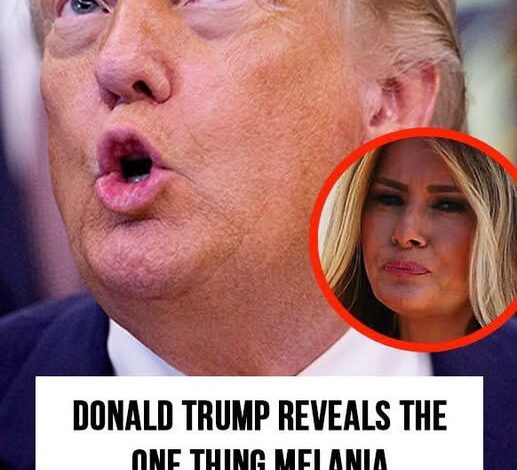
Trump has occasionally shared that Melania Trump is less enthusiastic about the performances. According to his own account, she has teased that the dancing doesn’t look “presidential” and suggested that cheering crowds may simply be encouraging him rather than judging the routine itself. The remarks have been widely reported as lighthearted exchanges between the couple, offering a rare glimpse into how they view his highly recognizable stage persona.
Rather than dialing it back, Trump has continued to embrace the routine.
For many supporters, the dance reflects a campaign style that favors spontaneity over formality. It creates a moment of levity at rallies and reinforces the image of a candidate who is comfortable ignoring traditional expectations of political behavior. Critics, meanwhile, argue that such performances distract from the seriousness of the office and reinforce concerns about turning politics into entertainment.
That contrast has become part of the broader conversation surrounding Trump’s public image.
Some voters see the dance as evidence of authenticity and confidence, while others view it as unbecoming of a former president and presidential candidate. The same performance that draws laughter and applause from one audience may prompt eye rolls from another.
Regardless of opinion, the routine has achieved something few political gestures ever do: it has entered popular culture. Clips circulate widely online, supporters imitate the moves at campaign events, comedians reference them in sketches, and social media users continue to debate what they symbolize.
In the end, the dance is about more than choreography.
It reflects two very different ideas of political leadership. One emphasizes formality, restraint, and traditional presidential decorum. The other embraces personality, spectacle, and direct engagement with enthusiastic crowds.
Whether remembered as a clever campaign trademark or an unconventional political sideshow, Trump’s rally dance has become an unmistakable part of his public identity—one that continues to spark conversation long after the music fades.