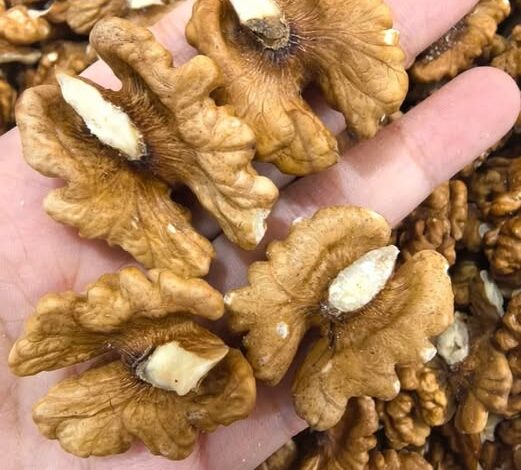
Beneath their rough shell, walnuts deliver a rare blend of omega-3 fats, antioxidants, and plant compounds that actively protect your heart. The alpha-linolenic acid (ALA) they contain can help calm chronic inflammation, support flexible blood vessels, and reduce LDL cholesterol particles that damage artery walls. Over time, this combination may lower the risk of heart disease and stroke, especially when walnuts replace processed snacks or saturated fats.
Their benefits reach beyond the cardiovascular system. Walnuts also support brain health, blood sugar balance, and weight management by promoting satiety and stabilizing energy. To harness their full power, enjoy a small handful daily: sprinkled over oatmeal, blended into smoothies, tossed into salads, or eaten plain. Raw or lightly toasted is best to preserve delicate fats. Consistent, simple choices like this can quietly reshape your long-term health from the inside out.
What makes walnuts especially remarkable is how efficiently they combine nourishment with protection. Their polyphenols and vitamin E help combat oxidative stress, a process linked not only to heart disease, but also to premature aging and cognitive decline. Every day, the body faces stress from pollution, processed foods, poor sleep, chronic anxiety, and inflammation. Over time, that stress quietly damages cells, blood vessels, and tissues in ways we often do not notice until symptoms finally appear. Walnuts work gently in the background, helping the body defend itself against that slow wear and tear.
Their impact on the brain is particularly fascinating. Walnuts have long been associated with cognitive support, perhaps fittingly because their shape resembles the human brain itself. While ancient symbolism does not prove science, modern research has found intriguing connections between walnut consumption and improved memory, concentration, and long-term brain function. Healthy fats are essential for the brain, which is composed largely of fat itself, and omega-3 fatty acids help maintain communication between nerve cells while reducing inflammation linked to cognitive decline.
For older adults, this may translate into better preservation of mental sharpness over time. For younger people juggling stress, multitasking, and mental fatigue, walnuts may support steadier focus and energy. They are not magic, of course, but they are one example of how nutrition influences not just how long we live, but how clearly and energetically we experience life while we are living it.
Walnuts also have a unique relationship with hunger and metabolism. Unlike sugary snacks that create rapid spikes and crashes in blood sugar, walnuts digest slowly, helping people feel fuller longer. Their combination of healthy fats, protein, and fiber stabilizes appetite naturally. This can reduce overeating and emotional snacking, particularly during stressful afternoons or late evenings when cravings tend to overpower discipline.
Interestingly, some studies suggest walnuts may even influence the brain’s response to food cravings themselves, helping reduce the reward-driven urge for highly processed foods. In practical terms, a small handful of walnuts may help someone feel more satisfied after meals and less tempted by snacks that leave them tired, bloated, or hungry again an hour later.
Blood sugar support is another important advantage. Because walnuts slow digestion and reduce sudden glucose spikes, they can be especially useful for people trying to manage insulin resistance or lower their risk of type 2 diabetes. Combined with balanced meals rich in vegetables, lean proteins, and whole grains, walnuts help create steadier energy rather than the rollercoaster of fatigue and sugar crashes that many people experience after processed foods.
The benefits extend quietly into digestive health as well. Scientists increasingly understand that the gut microbiome—the trillions of bacteria living inside the digestive tract—plays a major role in immunity, inflammation, metabolism, and even mood. Walnuts appear to encourage beneficial gut bacteria associated with improved digestive and cardiovascular health. A healthier gut environment may reduce inflammation throughout the body, improve nutrient absorption, and strengthen immune resilience over time.
There is also something deeply practical about walnuts as a health habit. Unlike expensive wellness trends, complicated supplement regimens, or restrictive diets, walnuts are simple. They require no preparation beyond opening a container. They travel easily, pair with countless foods, and fit naturally into daily routines.
You can stir them into Greek yogurt for breakfast.
Scatter them over roasted vegetables at dinner.
Blend them into smoothies for creaminess and nutrition.
Pair them with fruit for a balanced snack.
Crush them into oatmeal or soups for texture and richness.
Even their flavor carries a kind of grounding quality: earthy, slightly bitter, satisfying in a way that feels nourishing rather than overstimulating.
Of course, moderation still matters. Walnuts are calorie-dense, which means portion awareness is important. Most experts recommend about one ounce daily—roughly a small handful. More is not always better. Health is often built through consistency, not excess. Eating walnuts regularly as part of a balanced diet offers more sustainable benefits than consuming large amounts sporadically while neglecting overall nutrition.
Preparation matters too. Raw walnuts preserve delicate oils and antioxidants most effectively, while lightly toasting them can enhance flavor without severely damaging nutrients. Overheating, however, may weaken some of the beneficial fats. Storing walnuts properly is also important because their oils can become rancid over time. Keeping them in airtight containers in the refrigerator or freezer helps maintain freshness and nutritional value.
People with demanding lifestyles may benefit from walnuts more than they realize. Chronic stress places enormous strain on the cardiovascular and nervous systems. Sleep deprivation, emotional burnout, long work hours, and constant stimulation all increase inflammation and oxidative damage inside the body. Walnuts cannot erase stress entirely, but they provide nutritional support that helps the body withstand stress more effectively over time.
For women balancing hormonal changes, work demands, caregiving, and emotional labor, walnuts may support heart health and mood stability during periods when the body becomes especially vulnerable to inflammation and fatigue. For men dealing with metabolic strain, high blood pressure, or poor eating habits, walnuts offer a realistic step toward better cardiovascular health without requiring drastic dietary changes.
Children can benefit too. Replacing processed snacks with walnuts and fruit introduces healthier fats and proteins early in life, helping support growth, concentration, and steadier energy levels. Even simple family habits—adding walnuts to oatmeal in the morning or keeping mixed nuts available instead of chips—can slowly shape healthier relationships with food across generations.
Perhaps the most meaningful thing about walnuts is that their power lies in accumulation. One serving will not transform your arteries overnight. One salad topping will not erase years of poor habits. But health rarely changes dramatically in a single moment. It changes quietly through repeated choices that either nourish the body or slowly exhaust it.
A handful of walnuts today.
A walk after dinner tomorrow.
More water.
Less processed food.
A little more sleep.
A little less stress where possible.
Over months and years, these choices compound.
The heart pumps more efficiently.
Blood vessels remain more flexible.
Inflammation lowers.
Energy steadies.
The brain stays sharper longer.
What once seemed like ordinary decisions become the invisible architecture of long-term wellbeing.
In a culture obsessed with instant transformation, walnuts represent a different philosophy entirely: gentle, sustainable nourishment. They remind us that health is not usually built through extremes, punishment, or perfection. More often, it is built through small acts of care repeated consistently enough that the body slowly begins to trust those choices.
And sometimes that trust begins with something as simple as a rough-shelled walnut resting quietly in the palm of your hand—unassuming, imperfect, and far more powerful than it first appears.