For most people, spring brings a sense of renewal.
Longer days.
Warmer weather.
Blooming flowers.
The chance to spend more time outdoors.
But for people living with dyshidrotic eczema, the changing season can bring something very different.
Instead of excitement, they often prepare for another painful flare-up.
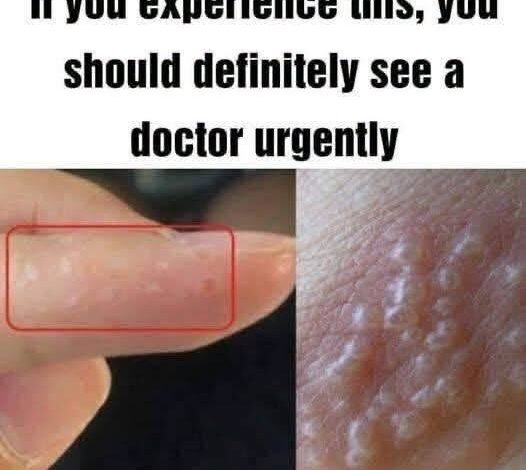
A condition that had been quiet for weeks—or even months—can suddenly return without warning, covering the hands, fingers, palms, toes, or soles of the feet with clusters of tiny, intensely itchy blisters.
What begins as a slight tingling sensation can quickly become an exhausting cycle of itching, burning, cracking, and peeling.
And for many people, it affects far more than just their skin.
What Is Dyshidrotic Eczema?
Dyshidrotic eczema, sometimes called pompholyx, is a chronic skin condition that causes small, fluid-filled blisters, most commonly on the hands and feet.
The blisters often develop suddenly.
At first, they may look small.
But they can itch so intensely that concentrating on everyday tasks becomes difficult.
As the blisters heal, the skin frequently dries out, peels, and cracks, sometimes leaving painful fissures that make even simple movements uncomfortable.
Because the hands and feet are involved in nearly everything we do, a flare can interfere with daily life in ways many people never imagine.
Buttoning a shirt.
Typing on a keyboard.
Holding a coffee mug.
Preparing meals.
Walking comfortably.
Even shaking someone’s hand.
Ordinary activities can become unexpectedly painful.
Why Spring Can Trigger Flare-Ups
Although dyshidrotic eczema can occur at any time of year, many people notice their symptoms worsen during seasonal changes.
Spring often brings warmer temperatures and increased humidity, leading to more sweating—a common trigger for flare-ups.
The season can also introduce higher levels of pollen and other environmental allergens that may contribute to skin irritation in some individuals.
Stress, which often accompanies busy schedules and life changes, is another well-known trigger.
For many people, emotional stress and skin symptoms seem to reinforce one another.
Stress contributes to flare-ups.
The flare-up creates more stress.
And the cycle continues.
Certain substances may also play a role.
Some individuals are sensitive to metals such as nickel or cobalt, while others find that harsh soaps, cleaning products, detergents, fragrances, or prolonged exposure to water worsen their symptoms.
Because triggers vary from person to person, learning what affects your own skin is often one of the most valuable parts of long-term management.
The Hidden Emotional Impact
People often focus on the visible blisters.
What they don’t always see is the emotional burden that accompanies them.
Persistent itching can interrupt sleep night after night.
Painful cracks in the skin can make work more difficult.
Visible blisters on the hands may leave people feeling self-conscious during social interactions.
Some individuals avoid shaking hands.
Others hesitate to wear sandals during warmer months because of flare-ups on their feet.
Over time, frustration, embarrassment, and exhaustion can become almost as challenging as the physical symptoms themselves.
Living with a chronic skin condition requires patience.
Especially when symptoms improve, disappear, and unexpectedly return again.
Treatment Focuses on Control, Not Cure
At present, there is no permanent cure for dyshidrotic eczema.
The goal of treatment is to reduce symptoms, calm inflammation, and help prevent future flare-ups whenever possible.
During active outbreaks, healthcare providers often recommend topical corticosteroid creams or ointments to decrease inflammation and relieve itching.
In some cases, stronger prescription treatments may be necessary for more severe symptoms.
Cool compresses can also provide temporary relief by calming irritated skin and reducing discomfort.
After the blisters begin to heal, moisturizing becomes especially important.
Fragrance-free creams and ointments help restore the skin barrier, reducing dryness and protecting cracked skin from further irritation.
For some people, oral antihistamines may help manage itching, particularly if symptoms interfere with sleep.
When flare-ups are persistent or severe, dermatologists may recommend additional treatments such as phototherapy (light therapy) or other prescription medications tailored to the individual’s condition.
Protecting the Skin Every Day
Daily habits can make a meaningful difference in managing dyshidrotic eczema.
Gentle skin care is often one of the most effective long-term strategies.
Many dermatologists recommend using mild, fragrance-free cleansers instead of harsh soaps that strip the skin’s natural protective barrier.
Moisturizing frequently—especially after washing the hands—helps lock in hydration and reduce irritation.
People whose work involves frequent handwashing, cleaning products, or prolonged exposure to water may benefit from wearing protective gloves during wet tasks.
Cotton liners worn beneath rubber gloves can also help reduce sweating, which itself may trigger symptoms.
Perhaps one of the hardest recommendations is resisting the urge to scratch or pop the blisters.
Although it can be tempting, scratching often worsens inflammation, delays healing, and increases the risk of infection.
Allowing the blisters to heal naturally is usually the safest approach.
Learning Your Personal Triggers
One of the most valuable tools in managing dyshidrotic eczema is observation.
Keeping track of flare-ups can reveal patterns that might otherwise go unnoticed.
Did symptoms appear after using a new cleaning product?
Following a particularly stressful week?
After wearing certain jewelry?
During unusually hot weather?
After prolonged sweating?
A simple journal can sometimes identify triggers that allow future flare-ups to be reduced or avoided.
Because triggers differ between individuals, what worsens one person’s eczema may have little effect on someone else’s.
Listening carefully to your own skin is often an important part of treatment.
Living Well With a Chronic Condition
Although dyshidrotic eczema can be frustrating, many people learn to manage it successfully through a combination of medical care, consistent skin protection, and trigger avoidance.
Flare-ups may still happen.
But they often become easier to recognize and address before reaching their worst stage.
Small daily habits—gentle cleansing, regular moisturizing, protecting the hands, and seeking treatment early—can make a significant difference over time.
Most importantly, people living with dyshidrotic eczema should remember they are not alone.
Millions of individuals experience similar struggles, even if the condition remains largely invisible to others.
Final Thoughts
Dyshidrotic eczema may be a chronic condition, but it does not have to define every season of life.
With the right treatment plan, careful attention to personal triggers, and consistent skin care, many people regain comfort, confidence, and the ability to enjoy everyday activities again.
Spring may still bring challenges.
But it can also bring new routines, better symptom control, and hope that each flare-up can become a little more manageable than the last.
While there may not yet be a cure, there are effective ways to reduce symptoms and protect the skin.
And for many people, that makes all the difference between simply enduring the season and fully living it.