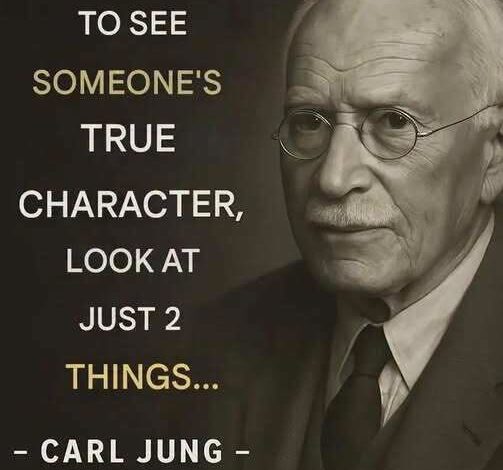
We live in a world that celebrates grand achievements and unforgettable first impressions. Charisma can fill a room, confidence can win admiration, and polished words can convince almost anyone that a person possesses exceptional character. Yet the truest measure of who someone is rarely appears during life’s biggest moments. More often, it reveals itself in the ordinary interactions most people barely notice.
Anyone can be gracious when there’s something to gain.
It’s easy to smile during an important meeting, treat influential people with respect, or display generosity when recognition is guaranteed. Those moments are often shaped by expectations, reputation, or the desire to make a favorable impression. The real test comes when none of those rewards are present—when kindness offers no advantage and patience earns no applause.
Consider the small encounters that fill an ordinary day.
A server accidentally brings the wrong meal. A cashier works more slowly than expected because they’re new or overwhelmed. A janitor quietly cleans a hallway while everyone else walks past without a glance. A customer service representative apologizes for a problem they didn’t create. These situations seem insignificant, yet they often reveal more about a person’s character than any carefully prepared speech ever could.
How someone responds in these moments matters.
Do they become impatient over a simple mistake? Do they speak respectfully even when frustrated? Do they acknowledge the people whose work often goes unnoticed? Or do they treat others differently based solely on status, authority, or what they believe those individuals can offer in return?
True character doesn’t depend on an audience.
It isn’t reserved for special occasions or displayed only when someone important is watching. Instead, it emerges through consistent choices repeated day after day. It is reflected in the willingness to remain courteous under stress, to extend dignity without calculating personal benefit, and to recognize the humanity in every person, regardless of their role or position.
Psychologist Carl Jung frequently explored the difference between the image people present to the world and the deeper self that exists beneath it.
He believed that much of human behavior is influenced by what he called the “persona”—the social mask individuals wear to meet expectations and navigate society. While this outward identity serves an important purpose, it doesn’t always reveal who someone truly is. The qualities hidden beneath that mask often become visible only when there is no reason to perform.
Those quiet moments are revealing because they strip away pretense.
When no recognition is expected, kindness becomes genuine rather than strategic. Respect becomes a reflection of personal values instead of social obligation. Integrity stops being something people talk about and becomes something they practice, often without anyone noticing.
Patience offers another powerful example.
Everyone experiences inconvenience, disappointment, and frustration. What differs is how people choose to respond. Some allow irritation to dictate their words and actions, while others pause, recognizing that the person standing in front of them may be carrying burdens they cannot see. That small decision—to respond with understanding instead of anger—often says more about someone’s character than years of carefully crafted appearances.
Kindness operates much the same way.
The most meaningful acts are often the ones that never receive attention. Holding a door open for a stranger, thanking someone whose work is frequently overlooked, offering encouragement without expecting recognition, or simply listening when someone needs to be heard may never become memorable stories. Yet these quiet gestures accumulate, shaping both individual lives and the communities around us.
Perhaps that’s why genuine character can be difficult to fake for long.
A polished public image may impress people temporarily, but everyday habits eventually reveal deeper values. The way someone treats those who cannot advance their career, increase their status, or reward their generosity often provides the clearest glimpse into who they truly are.
This principle also invites self-reflection.
Rather than asking whether others perceive us as kind or respectful, it encourages a more meaningful question: How do we behave when no one expects anything from us? Are our actions guided by convenience, or by the values we claim to hold? Do we extend the same courtesy to strangers that we offer friends, colleagues, or influential acquaintances?
In the end, character is rarely defined by extraordinary moments.
It is built through countless ordinary choices made when life is at its most routine. It lives in patience when irritation feels justified, in honesty when deception would be easier, and in compassion offered without expectation of praise.
If you truly want to understand someone, don’t focus only on the moments designed to impress. Watch how they treat the people who have nothing to offer in return. Watch how they respond to inconvenience, disappointment, and everyday interactions that seem too small to matter.
Because more often than not, the quietest moments reveal the loudest truths about the human heart.