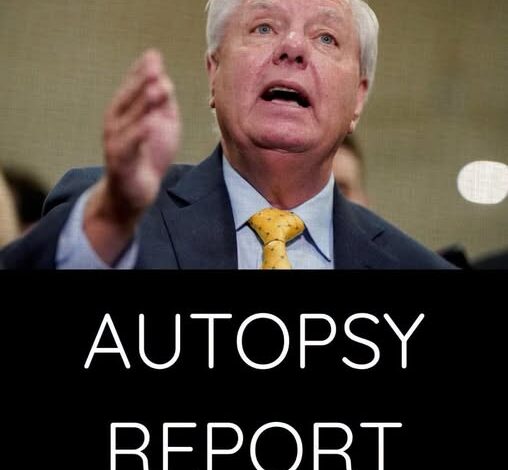
The official medical report is brief, precise, and emotionally detached. It lists the cause of death in language designed for records rather than remembrance: an aortic dissection brought on by years of progressive cardiovascular disease. The diagnosis is factual, but it tells only a fraction of the story. Behind those clinical words was a man who spent decades living at a relentless pace, pushing through exhaustion, accepting constant pressure as part of the job, and refusing to slow down even when the demands of public service would have driven many others into retirement long before.
For years, his life was measured not by quiet mornings or predictable routines, but by flights across continents, marathon meetings, late-night votes, and the endless urgency that accompanies national politics. Every day carried another decision to make, another interview to give, another crisis demanding attention. It was a schedule that tested not only endurance but resilience, requiring a level of commitment few people ever experience. While friends and colleagues occasionally urged him to rest, he continued moving forward, convinced there was still important work left unfinished.
The shadow of heart disease had followed him for much of his life. His father had died from the same condition at the age of sixty-eight, a reminder that genetics can quietly shape a person’s future long before symptoms appear. Graham surpassed that milestone by three years, but he never seemed interested in measuring his life by the calendar alone. Instead, he measured it by responsibility, believing that if there was work to be done, then slowing down was a luxury he could not afford.
Even in his final days, there was little indication that he intended to step away. Rather than spending his time enjoying retirement or seeking a quieter chapter, he remained deeply engaged in the issues that had defined much of his public career. He had recently returned from Ukraine, where international events demanded firsthand attention, and almost immediately resumed pressing the White House on legislation he considered important. The pace never eased. Meetings followed flights. Interviews followed meetings. Responsibilities continued to stack upon one another, just as they had for years.
His final hours reflected the same determination that had shaped his public life. He was not looking backward at accomplishments or celebrating a career completed. He was still focused on the next challenge, still working to influence policy, still attempting to leave the country stronger than he believed he had found it. Whether one agreed with his positions or opposed them fiercely, few could deny that he remained committed until the very end.
When news of his passing spread, reactions arrived from every corner of the political landscape. Many colleagues, including longtime rivals, set aside ideological differences to acknowledge his years of service. Tributes spoke of his persistence, his willingness to engage in difficult debates, and the relationships built across party lines despite fierce disagreements. For a brief moment, politics gave way to something more enduring: the recognition that public service often demands sacrifices invisible to those watching from afar.
Yet beyond those expressions of respect, another response emerged. Across social media, some celebrated his death with sarcasm, mockery, and open hostility. Political divisions that had defined so much of modern public life spilled into the hours following his passing, turning personal loss into another battlefield. The contrast was impossible to ignore. While lawmakers who had spent years opposing him extended sympathy to his family, anonymous voices online competed to deliver the sharpest insult.
Moments like these reveal more than opinions about a single individual. They expose the character of the culture surrounding them. Political disagreement is inevitable in a democracy, and vigorous debate is often necessary. But there is a meaningful difference between criticizing someone’s ideas and rejoicing in their death. One contributes to public discourse; the other diminishes it. Time has a way of separating those two responses, preserving the thoughtful while allowing the cruelest reactions to fade into irrelevance.
History rarely remembers the loudest comments posted in moments of outrage. It remembers the lives people chose to live, the work they pursued, and the legacies they left behind. In Graham’s case, supporters will point to decades of public service and unwavering commitment. Critics will continue debating his policies and decisions. Both perspectives will remain part of his historical record. What is less likely to endure are the fleeting expressions of bitterness that surfaced online in the immediate aftermath of his death.
The image that will linger is far simpler and perhaps far more powerful: a man who kept moving even when the road had become extraordinarily difficult. He carried the weight of responsibility for years, knowing the personal cost but choosing to bear it anyway. He never seemed interested in coasting toward the finish line or preserving himself for comfort. Instead, he continued working until his body could no longer match the determination of his mind.
There is something undeniably poignant about that ending. He did not step away from public life because he had grown tired of serving. He stopped only because his heart, burdened by years of relentless strain and an unforgiving illness, finally reached its limit. The official report explains how his life ended. It cannot explain the drive that carried him there.
In the end, perhaps that is the lasting image worth remembering—not simply the diagnosis, the headlines, or even the political arguments that surrounded his career, but the picture of someone who believed his responsibilities mattered enough to keep showing up, day after day, despite the personal toll. He did not leave behind the story of a man who rusted quietly on the sidelines. He left behind the story of someone who wore himself out in pursuit of what he believed was his duty. His work did not truly end with his final heartbeat; it became part of the unfinished work entrusted to those who remain.