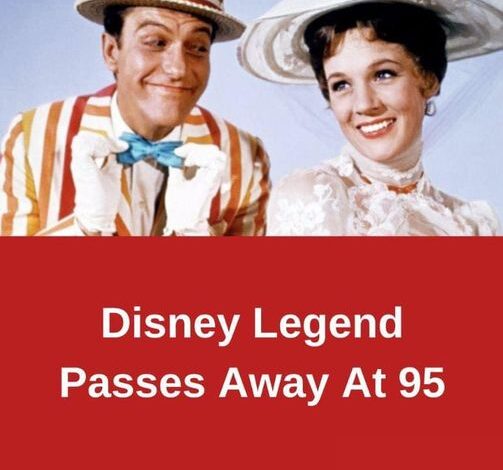
He didn’t just compose music for films.
He composed emotional memory.
For millions of people across generations, his melodies did not stay confined to movie theaters or television screens. They slipped quietly into ordinary life until ordinary life itself became inseparable from them.
His songs played during bedtime routines while exhausted parents rocked children to sleep beneath dim hallway lights.
They echoed through minivans during long family road trips where siblings argued one moment and sang together the next.
They drifted through living rooms on rainy afternoons, through school talent shows, through childhood bedrooms where posters curled at the corners and dreams still felt uncomplicated.
People did not simply listen to his music.
They grew up inside it.
That is a rare kind of artistry.
Many composers create recognizable work.
Few create emotional architecture strong enough to hold entire generations of memory together.
His music transformed animated images into lived feeling.
A simple piano phrase could suddenly make loneliness understandable.
A swelling chorus could turn courage into something a child believed they personally carried inside themselves.
One carefully written melody could express grief, wonder, hope, fear, or belonging more honestly than pages of dialogue ever could.
That was his gift.
Not spectacle.
Clarity.
He understood something many artists spend lifetimes chasing:
sincerity reaches people more deeply than perfection.
In an entertainment culture that increasingly rewards noise, speed, irony, and endless reinvention, his work remained strikingly unhurried.
Gentle, even.
Not simplistic.
Never shallow.
Just emotionally honest in a way that felt almost old-fashioned by modern standards.
There was patience in his compositions.
Space.
He trusted silence enough to let melodies breathe.
And because of that, listeners found room for themselves inside the music too.
Children heard adventure.
Parents heard tenderness.
Adults revisiting the songs years later suddenly discovered grief and longing hidden beneath melodies they once associated only with innocence.
That layering made his work timeless.
The songs evolved because the listeners evolved.
People who worked beside him often describe the same surprising contradiction:
extraordinary discipline without arrogance.
He approached music carefully, methodically, almost reverently. Yet despite global recognition, awards, sold-out performances, and cultural impact, those closest to him rarely describe ego.
Instead, they describe focus.
Curiosity.
Humility.
Precision.
He cared deeply about details most audiences would never consciously notice:
whether a lyric landed emotionally at exactly the right moment,
whether a chord change softened fear instead of intensifying it,
whether a melody left enough emotional light for a child to carry home afterward.
One longtime collaborator once said he measured success differently than most people in the industry.
Awards impressed him less than emotional connection.
He cared about the child sitting quietly in the audience feeling understood for the first time.
The lonely teenager replaying one song repeatedly because it made survival feel slightly less impossible.
The exhausted parent crying unexpectedly during a soundtrack because the music somehow reached feelings words had failed to touch for years.
Three minutes and thirty seconds.
That was enough time, in his hands, to make someone feel less alone.
And perhaps that is why the grief surrounding his passing feels so unusually personal to so many people.
Listeners are not mourning only a celebrity or composer.
They are mourning someone whose work accompanied the invisible emotional milestones of their lives.
First friendships.
Childhood fears.
Family traditions.
Growing pains.
Healing.
Loss.
Music becomes deeply entwined with memory because it bypasses logic entirely and settles directly into feeling.
A single melody can return someone instantly to:
the backseat of a family car in summer,
a childhood bedroom at night,
a parent now gone,
a version of themselves they thought time erased long ago.
His songs did that repeatedly.
Quietly.
Reliably.
For decades.
Now tributes are arriving from every corner of the world.
Musicians.
Actors.
Directors.
Parents.
Former children now raising children of their own.
People are sharing stories less about awards and more about moments.
The first time a song made them cry unexpectedly.
The soundtrack playing during a difficult childhood.
The melody they still sing to their own children before bed.
That may be the clearest measure of legacy possible.
Not trophies displayed behind glass.
Not industry rankings.
Not commercial statistics.
Memory.
Living memory carried inside ordinary people.
Because truly meaningful art rarely remains confined to the artist who created it.
It disperses outward.
Into homes.
Into relationships.
Into private emotional landscapes strangers may never fully explain aloud.
His body of work is complete now.
The recordings exist.
The films remain.
The compositions are finished.
And yet his story somehow continues anyway.
Every time one of those melodies drifts through a speaker again, something remarkable happens:
a child laughs,
a parent remembers,
someone grieving feels comforted,
someone lonely feels understood,
someone exhausted softens for a few moments beneath familiar notes.
And in that instant, however briefly, he returns.
Not symbolically.
Emotionally.
Beautifully.
Still here in the only place art ever truly lives after the artist is gone:
inside the hearts and memories of the people it helped carry through life.