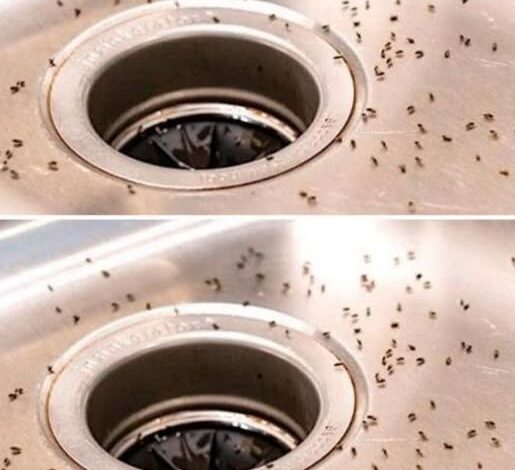
They seem to appear overnight.
One day your houseplants look perfectly healthy, and the next, tiny black insects are hovering around the soil, circling the fruit bowl, or drifting past your kitchen lights. Although fungus gnats don’t bite or spread disease to people, they can multiply quickly if the conditions are right, making your home feel far less comfortable than it should.
The key to getting rid of them isn’t simply killing the adults you see flying around.
It’s interrupting their entire life cycle.
Fungus gnats lay their eggs in consistently damp, organic-rich soil. Once the eggs hatch, the larvae feed on fungi and decaying organic matter beneath the surface. By reducing the moisture they depend on, you make your houseplants far less inviting.
Allow the top inch or two of potting soil to dry between waterings whenever your plants can safely tolerate it. Remove fallen leaves and other decaying plant material from the soil, as these provide food for developing larvae. For many indoor gardeners, this single change dramatically reduces future generations of gnats.
You can also create a physical barrier.
A light layer of food-grade diatomaceous earth applied to the surface of dry potting soil can help reduce larvae and newly emerging adults. Because it loses effectiveness when wet, reapply it after watering once the soil surface has dried again.
To catch the adult gnats already flying, place yellow sticky traps near affected plants. These traps won’t eliminate an infestation on their own, but they are excellent for reducing the breeding population and monitoring whether your control efforts are working. Position them where children and pets cannot reach them.
The kitchen deserves attention too.
Overripe fruit, food scraps, recycling bins, and damp sink drains can attract small flying insects, including fruit flies and, in some situations, fungus gnats. Empty garbage regularly, wipe up spills promptly, store ripe fruit appropriately, and clean drains to remove the organic buildup where insects can thrive.
For fruit flies in particular, a simple homemade trap can be surprisingly effective. Pour a small amount of apple cider vinegar into a shallow container, add a drop of dish soap to break the surface tension, and cover the container with plastic wrap pierced with a few small holes. The vinegar attracts the flies, while the soap makes it difficult for them to escape.
If fungus gnats persist despite these measures, consider whether a houseplant may be staying consistently too wet or whether fresh potting mix is needed. In more persistent infestations, biological controls such as beneficial nematodes or products containing Bacillus thuringiensis israelensis (Bti) can target the larvae without harming most houseplants when used according to the label.
The good news is that fungus gnats are usually a temporary nuisance, not a permanent problem.
By combining proper watering habits, good household sanitation, and simple traps, you gradually remove the conditions that allow them to thrive.
One small change may not seem dramatic.
But together, those daily habits steadily reduce their numbers until the tiny clouds around your plants disappear—and your home once again feels calm, clean, and comfortably your own.