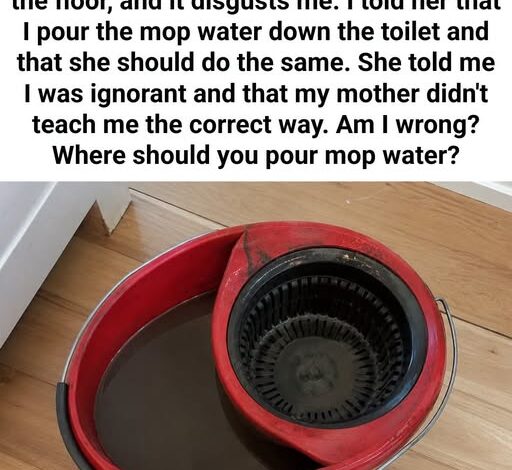
When you finish mopping the floor, you’re left with one final chore that many people never think much about.
Where should the dirty water go?
At first, it may seem like a small decision. After all, it’s only water mixed with a little cleaning solution.
But look inside the bucket more closely.
That cloudy liquid contains far more than soap. It often carries dust, dirt, hair, food crumbs, pet fur, grease, bacteria, and whatever else was hiding on your floors. If you’ve cleaned around appliances, entryways, or bathrooms, the water may also contain sand, grit, and other debris you definitely don’t want building up in the wrong drain.
Choosing the right place to dispose of it helps protect your plumbing, keeps your home cleaner, and reduces unnecessary mess.
For most homes, the toilet is one of the safest and most practical options.
Toilets are specifically designed to handle waste and suspended solids. Their larger drain and powerful flush move dirty water directly into the sanitary sewer or septic system, making them well suited for disposing of mop water.
After pouring the bucket carefully into the bowl, simply flush as usual.
It’s a quick solution that keeps dirty residue away from areas where people wash themselves or prepare food.
If your home has a utility sink or laundry sink, that’s an even better choice.
These sinks are intended for cleaning equipment, rinsing paintbrushes, washing muddy boots, emptying mop buckets, and handling other household chores that don’t belong in kitchen or bathroom fixtures.
Because they’re designed for heavy-duty use, they provide a convenient place to empty mop water without worrying about contaminating areas used for personal hygiene.
The bathtub, while possible in some situations, is generally less ideal.
Bathtub drains are usually narrower than toilet drains and are more likely to collect hair, grit, and debris that can contribute to clogs over time.
More importantly, the bathtub is where people bathe, children may play, and pets are often washed.
Pouring dirty floor water into the tub means you’ll need to rinse and disinfect the surface thoroughly before it’s used again.
Skipping that step leaves behind invisible residue from everything that was removed from your floors.
The kitchen sink should be avoided whenever possible.
Unlike a utility sink, the kitchen is used for washing dishes, rinsing produce, and preparing meals. Even though the plumbing may ultimately connect to the same sewer system, introducing dirty floor water into a food preparation area isn’t considered good hygiene.
It’s simply better to keep those activities separate.
Before emptying your mop bucket anywhere, take a moment to remove larger debris.
Hair, clumps of dust, leaves, pet fur, and other solids can often be strained out with a small screen or picked out by hand while wearing gloves.
Removing these materials first helps reduce the chance of clogged drains regardless of where the water is poured.
If your home uses a septic system, pay attention to the cleaning products you’ve used.
Small amounts of septic-safe cleaners are generally not a problem, but repeatedly dumping large quantities of harsh disinfectants, bleach, or strong chemical cleaners can interfere with the beneficial bacteria that help a septic system function properly.
Following the manufacturer’s directions and using cleaning products in moderation can help protect the system over time.
It’s also important to remember where dirty mop water should never go.
Storm drains are designed to carry rainwater—not household waste or cleaning chemicals. Pouring mop water into street drains can send pollutants directly into local waterways without treatment.
Likewise, dumping water containing detergents or disinfectants onto the lawn or into the garden may harm plants and contaminate soil, depending on the products used.
If you’re cleaning in someone else’s home, at work, or in a shared building, a little courtesy goes a long way.
Different households and facilities may have preferred disposal locations, especially if they have septic systems, specialized plumbing, or designated janitorial sinks.
When in doubt, simply ask where they would like the mop water emptied, then rinse and clean the area afterward if needed.
In the end, disposing of mop water properly isn’t complicated.
A utility sink is usually the best option because it’s designed for exactly this kind of task. If one isn’t available, the toilet is a safe and practical alternative. The bathtub can work when necessary, but it should be cleaned thoroughly afterward, while the kitchen sink, storm drains, and outdoor areas should generally be avoided.
It’s a small habit that takes only a minute, yet it helps keep your plumbing working smoothly, your home more sanitary, and the spaces where people cook and bathe cleaner for everyone who uses them.