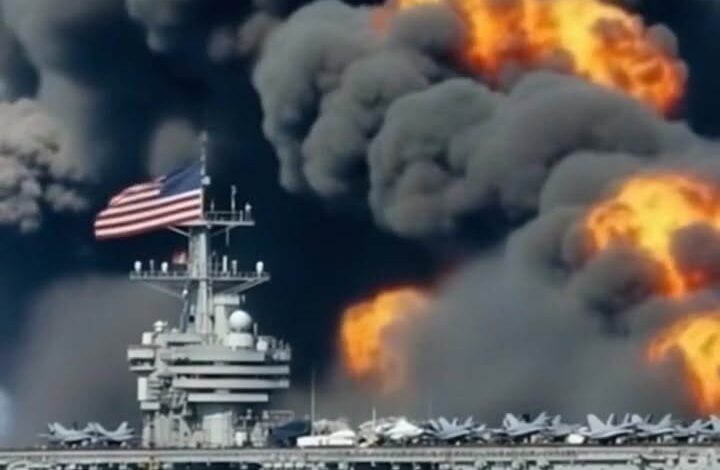
Why Verification Matters During Conflict
In a crisis, information often moves faster than truth.
A video appears online within seconds. A photograph spreads across continents before emergency crews have finished their work. A dramatic post labeled “Breaking News” can be shared thousands of times before anyone knows whether it is accurate. During military conflict, that speed can make people feel informed while the facts are still incomplete, shifting, or entirely unverified.
That is why verification matters.
When missiles are launched, sirens sound, buildings are damaged, and civilians are harmed, people urgently want answers. They want to know what happened, where it happened, who was affected, and whether more danger is coming. That urgency is understandable. But in moments of fear, false or incomplete information can spread with dangerous force.
Recent reports involving missile attacks in Israel, including incidents around Beit Shemesh and nearby areas, show how difficult it can be to separate confirmed facts from speculation during fast-moving events.
As tensions involving Israel, Iran, and other regional actors intensified, social media quickly filled with urgent claims. Some posts included dramatic videos. Others used emotional wording, unnamed sources, or uncertain details. A few reports were later confirmed. Others were incomplete, misleading, or impossible to verify at the time they spread.
That is the challenge of modern conflict reporting.
The problem is no longer a lack of information.
It is too much information arriving before anyone has confirmed what is true.
During crises, rumors often travel faster than responsible reporting because they are simple, emotional, and easy to share. A blurry video may feel convincing, even if no one knows where or when it was filmed. A shocking claim may seem believable simply because many people repeat it. But repetition is not confirmation.
In the Beit Shemesh area, verified reports confirmed that a missile strike caused casualties, injuries, and damage. Emergency responders moved quickly, while authorities worked to assess the full impact. Civilians faced the terrifying reality of sirens, shelters, shattered glass, and sudden danger.
Those facts are serious enough on their own.
They do not need exaggeration to matter.
At the same time, some online claims went further, describing specific structural damage or events that had not yet been independently confirmed. That distinction is important. Saying a building was damaged is not the same as confirming that it collapsed. Saying civilians sheltered nearby is not the same as knowing exactly how a structure failed or who was inside at a particular moment.
In conflict reporting, details matter because they shape public understanding.
They influence fear.
They affect anger.
They may even influence political reactions far beyond the location of the attack.
Responsible reporting does not mean ignoring serious claims. It means labeling them honestly. If something is confirmed, say so. If it is reported but not verified, say that clearly. If officials are still investigating, the public should know that too.
This careful language may feel less dramatic, but it protects people from false certainty.
Civil defense systems also play a central role in these events. Warning sirens, shelters, reinforced rooms, emergency alerts, and missile defense systems are designed to give civilians precious seconds to seek safety. In many cases, these systems save lives. But they cannot make war safe.
A shelter can reduce risk, but it cannot eliminate danger.
A warning system can provide time, but not complete protection.
A missile defense network can intercept threats, but no system is perfect under sustained pressure.
The Beit Shemesh incident therefore became both a story of harm and a reminder of the fragile systems that help limit harm.
Behind every military update are ordinary people. Families. Children. Workers. Neighbors. People who were living normal lives before sirens interrupted them. Verification is not about minimizing their suffering. It is about honoring it accurately.
When people are injured, their experiences should not become fuel for rumor. When lives are lost, those losses deserve care, not speculation. When communities are damaged, the public deserves facts that are clear, honest, and responsibly reported.
Social media complicates this responsibility.
During conflict, ordinary users become part of the information chain. Every repost, comment, caption, and headline choice can either clarify events or spread confusion. Old footage can be mistaken for new evidence. Images from other locations can be misidentified. Anonymous claims can gain credibility because they sound urgent.
That is why media literacy matters.
Before sharing a claim, it helps to ask simple questions:
Who is the source?
Is the information confirmed by officials or reputable news organizations?
Is the image or video clearly dated and located?
Are multiple reliable outlets reporting the same detail?
Does the post rely more on emotion than evidence?
Has the claim changed as more facts emerged?
These questions cannot remove uncertainty, but they can slow the spread of misinformation.
In regional conflicts, information itself can become part of the battlefield. False claims can inflame tensions, deepen hatred, and make diplomacy more difficult. A single misleading post can travel across borders before corrections ever catch up.
That is why accuracy is not a luxury during war.
It is a responsibility.
The Beit Shemesh reports also reveal something larger about how modern audiences process crisis. People do not only consume information anymore. They help distribute it. That gives the public power, but also responsibility.
The fastest reaction is not always the wisest one.
The most dramatic claim is not always the most accurate.
The clearest understanding often comes after waiting for confirmation.
As the wider regional crisis continues to unfold, verification remains essential. It helps protect civilians from panic, supports responsible public debate, and preserves the historical record of what actually happened.
In moments of fear, people naturally want immediate answers. But when lives, communities, and international tensions are involved, truth must matter more than speed.
The lesson is simple but urgent:
During conflict, do not only ask what is being reported.
Ask how it is known.
Because in a world where information moves instantly, careful verification may be one of the few things standing between public understanding and chaos.