The Constant Ringing in Your Ears: Is It Just Annoyance, or a Deadly Warning Sign from Your Brain?

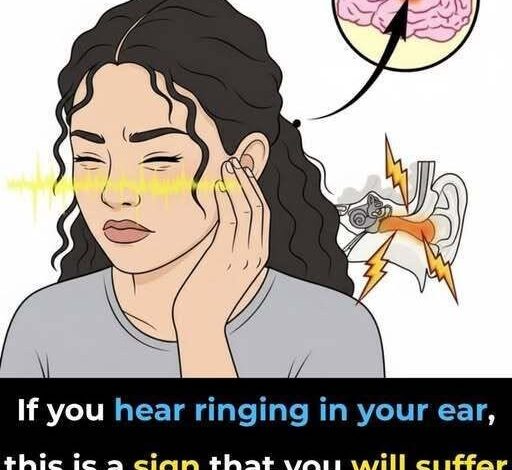
It often begins with a sound so subtle that it is easy to dismiss—a faint ringing, buzzing, humming, or hissing that appears in quiet moments. Maybe you notice it while trying to fall asleep or sitting alone in a silent room. At first, it seems harmless. But when the sound refuses to disappear, many people begin to wonder whether it could be a sign of something more significant.
That experience is known as tinnitus, a condition in which a person hears sounds that do not come from an external source. Contrary to popular belief, tinnitus is not a disease itself but a symptom that may be linked to a variety of underlying causes involving the ears, hearing pathways, or the brain’s processing of sound.
The most common form is subjective tinnitus, where only the affected person can hear the noise. This type is often associated with age-related hearing loss, prolonged exposure to loud sounds, stress, certain medications, or even earwax buildup. A much rarer form, known as objective tinnitus, may occasionally be heard by a healthcare provider during an examination and can sometimes be linked to blood vessel abnormalities or muscle activity near the ear.
Tinnitus affects millions of people worldwide. For some, it is little more than a minor inconvenience. For others, it can interfere with sleep, concentration, work, and emotional well-being. Persistent symptoms can become frustrating and exhausting, especially when the underlying cause remains unknown.
Certain warning signs deserve prompt medical attention. Ringing that occurs in only one ear, a sudden onset of symptoms, worsening tinnitus, dizziness, balance problems, hearing loss, ear pain, or a rhythmic pulsing sound should be evaluated by a healthcare professional. While these symptoms do not always indicate a serious condition, they may require further investigation.
Managing tinnitus often begins with identifying possible triggers. Frequent exposure to loud environments is one of the leading contributors to hearing damage, making hearing protection essential in high-noise settings. Lifestyle factors such as stress, lack of sleep, nicotine use, and excessive caffeine may also increase the perception of tinnitus for some individuals.
Although there is no universal cure, several strategies can help reduce its impact. Sound therapy, including white noise machines or background sounds, can make tinnitus less noticeable. Hearing aids may be beneficial when hearing loss is present, and stress-reduction techniques such as mindfulness, relaxation exercises, or cognitive behavioral therapy can help lessen the emotional burden associated with the condition.
The most important step is not to ignore persistent symptoms. A professional evaluation can help identify treatable causes, rule out more serious concerns, and provide guidance tailored to individual needs. Understanding the source of the sound is often the first step toward finding relief.
For many people, tinnitus becomes more manageable once they learn what is contributing to it and how to respond effectively. The ringing may be frustrating, but it does not have to define daily life. With proper care, support, and attention, many individuals are able to reduce its impact and regain a greater sense of comfort and peace of mind.