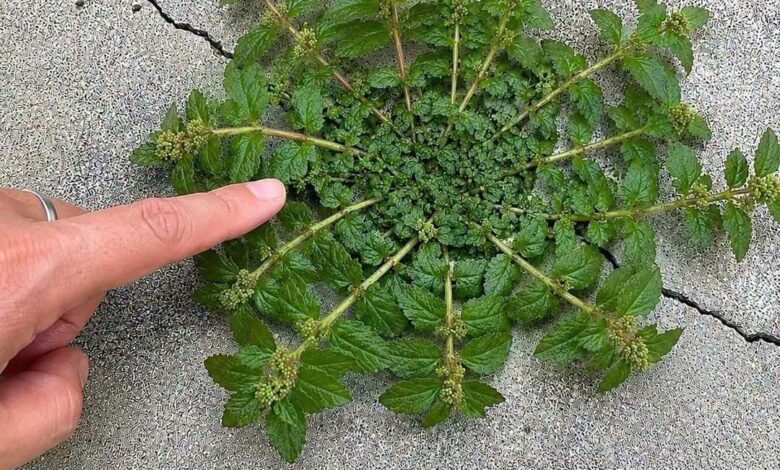
The “Worthless” Weed Most People Ignore Could Be One of Nature’s Most Fascinating Medicinal Plants
Most people pull it out of their gardens without a second thought.
Others step over it every day without even noticing it’s there.
Yet this small, unassuming plant has been used in traditional medicine for centuries and is still valued in many parts of the world for its remarkable healing potential.
Known scientifically as Euphorbia hirta, and commonly called asthma weed, snake weed, or pill-bearing spurge, this resilient herb grows almost anywhere. It can be found along roadsides, in vacant lots, between sidewalk cracks, and even in cultivated fields.
At first glance, it doesn’t look impressive.
It grows low to the ground, produces small serrated leaves, and features reddish-purple stems. When broken, it releases a distinctive milky sap. Because it spreads easily and grows quickly, many people consider it a nuisance weed.
Traditional healers, however, have long viewed it very differently.
A Long History in Traditional Medicine
For generations, communities throughout Asia, Africa, and the Americas have used Euphorbia hirta as a natural remedy for a variety of health concerns.
Nearly every part of the plant—including its leaves, stems, roots, and flowers—has been used in traditional preparations.
Modern research has identified several naturally occurring compounds within the plant, including flavonoids, tannins, alkaloids, and saponins. These compounds are believed to contribute to many of the medicinal properties historically associated with the herb.
Why It’s Called “Asthma Weed”
One of the plant’s most well-known traditional uses involves respiratory support.
For centuries, people have prepared teas and herbal decoctions from the leaves and stems to help relieve symptoms associated with:
- Asthma
- Bronchitis
- Persistent coughs
- Mild breathing difficulties
In many rural communities where modern healthcare was limited, these remedies served as an important part of everyday healthcare practices.
Traditional Digestive Support
Euphorbia hirta has also been widely used to support digestive health.
Traditional herbal practitioners have relied on it for conditions such as:
- Diarrhea
- Dysentery
- Stomach discomfort
- Intestinal irritation
Its natural tannin content is thought to play a role in these traditional applications by helping support tissue health and digestive balance.
The plant has also been used as a natural diuretic, encouraging healthy urinary function and supporting the body’s natural elimination processes.
Uses for Skin Care
The benefits of Euphorbia hirta extend beyond internal wellness.
Traditionally, crushed leaves or plant extracts have been applied to:
- Minor wounds
- Insect bites
- Rashes
- Boils
- Certain fungal skin conditions
Communities that relied heavily on herbal medicine often used these preparations as part of their daily first-aid practices.
Important Safety Considerations
Despite its long history of traditional use, Euphorbia hirta should be approached with caution.
Because the plant contains biologically active compounds, excessive consumption may cause:
- Nausea
- Stomach discomfort
- Vomiting
Its milky sap may also irritate sensitive skin and can cause significant discomfort if it comes into contact with the eyes.
Pregnant women are generally advised to avoid using the plant, as traditional sources have raised concerns about its potential effects on uterine activity.
The Bottom Line
Euphorbia hirta is a perfect example of how nature often hides remarkable resources in the most unexpected places.
What many people dismiss as a common weed has been valued for centuries in traditional medicine for its potential respiratory, digestive, urinary, and skin-supporting properties.
While modern scientific research continues to explore its full range of effects, its long-standing role in herbal traditions serves as a reminder that sometimes the most overlooked plants can have the most fascinating stories.
As with any medicinal herb, responsible use and professional medical guidance are important before using it for health purposes.