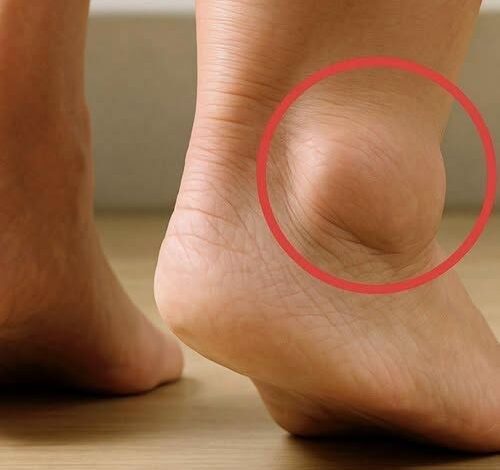
Many people assume swollen feet and ankles are simply an unavoidable part of getting older.
Sometimes they are harmless, appearing after a long day on your feet or a lengthy car ride. But swelling—known medically as edema—is your body’s way of signaling that fluid is collecting in tissues faster than it can be removed. While mild swelling is often temporary, persistent or sudden changes should never be ignored.
Understanding why swelling happens is the first step toward knowing when it’s simply uncomfortable and when it may require medical attention.
Under normal circumstances, your circulatory and lymphatic systems work together to keep fluids moving throughout the body. Tiny blood vessels continuously release small amounts of fluid into surrounding tissues, while nearby vessels and the lymphatic system collect the excess and return it to the bloodstream.
When that balance is disrupted, fluid begins to accumulate.
The result is puffiness, tightness, and swelling that is most noticeable in the feet, ankles, and lower legs because gravity naturally pulls fluid downward.
As people age, several factors can make this process more likely.
Veins gradually become less efficient at returning blood to the heart, especially if the valves inside them weaken over time. Muscles in the legs—which normally help pump blood upward with every step—may also become less active, particularly in individuals who spend long periods sitting or standing without moving.
That combination allows fluid to linger in the lower limbs.
Lifestyle can also play a significant role.
Remaining seated during long flights or road trips, standing for extended hours, carrying excess body weight, or spending much of the day inactive can all contribute to swelling by slowing normal circulation.
Certain medications are another common cause.
Some blood pressure medicines—particularly calcium channel blockers—as well as corticosteroids, certain anti-inflammatory medications, hormone therapies, and a variety of other prescription drugs can lead to fluid retention in some people. If swelling develops after starting a new medication, it’s important to discuss it with a healthcare professional rather than stopping the medication on your own.
In some cases, swelling can signal an underlying medical condition that deserves prompt evaluation.
Heart failure may reduce the heart’s ability to circulate blood effectively, allowing fluid to build up in the legs.
Kidney disease can impair the body’s ability to remove excess fluid and salt.
Liver disease may alter proteins that help regulate fluid balance, contributing to edema.
Problems with the veins, such as chronic venous insufficiency or blood clots, can also cause swelling, particularly if it affects one leg more than the other.
Fortunately, many people with mild swelling benefit from simple daily habits that encourage healthy circulation.
Regular movement is one of the most effective.
Even brief walks throughout the day activate the calf muscles, which act as a natural pump to help return blood toward the heart. If walking isn’t possible, gently flexing and pointing the feet or rotating the ankles while seated can also promote circulation.
Elevating the legs whenever possible may provide additional relief.
Raising the feet above the level of the heart for short periods allows gravity to assist fluid in moving away from the lower legs, reducing pressure and discomfort.
Compression stockings are another helpful option for many individuals.
When properly fitted, they apply gentle pressure that supports healthy blood flow and helps prevent fluid from collecting in the legs. Because compression garments aren’t appropriate for everyone, especially people with certain circulation problems, it’s best to consult a healthcare professional before using them regularly.
Supportive footwear also matters.
Shoes that fit comfortably and provide adequate support can reduce strain on the feet and improve overall comfort, particularly for people who spend much of the day standing.
Diet plays a role as well.
Excess sodium encourages the body to retain water, so limiting highly processed foods and reducing added salt may help decrease fluid buildup. Staying adequately hydrated is equally important. Although it may seem counterintuitive, drinking enough water supports normal kidney function and helps maintain a healthier fluid balance.
While many cases of swelling are manageable, some situations require immediate medical attention.
Seek prompt evaluation if swelling:
- Appears suddenly or becomes severe.
- Affects only one leg and is accompanied by pain, warmth, or redness.
- Occurs together with shortness of breath or chest pain.
- Is accompanied by fever or signs of infection.
- Persists despite home measures or continues to worsen.
These symptoms can indicate conditions that require urgent treatment.
Ultimately, swollen feet and ankles are not a diagnosis—they are a symptom.
Sometimes they reflect nothing more than a long day or temporary fluid retention.
Other times, they serve as an early clue that the body needs medical attention.
The most important step is paying attention.
By staying active, maintaining healthy habits, and recognizing when swelling is unusual or persistent, you give yourself the opportunity to address potential problems before they become more serious.
Your body often communicates through small changes long before major symptoms appear.
Listening to those signals—and responding appropriately—can make all the difference in protecting your health for years to come.