Sometimes the inspiration begins with a memory.
A weathered shed tucked beneath old trees. Sunlight filtering through dusty windowpanes. The earthy scent of damp straw filling the air as someone quietly opens the door to see what appeared overnight. Perhaps it was a parent or grandparent who first introduced you to the quiet magic of growing mushrooms, showing you that remarkable things often happen where patience is allowed to do its work.
Years later, those memories linger.
Not because of the mushrooms alone, but because of how the experience felt.
Slow.
Peaceful.
Intentional.
Rebuilding a mushroom fruiting house today is about far more than recreating a traditional structure. It is a conscious decision to embrace a different rhythm of life—one that values observation over urgency and quiet routines over constant distraction.
In a world where so much demands immediate attention, mushroom cultivation offers something increasingly rare.
The opportunity to slow down.
Unlike many hobbies that reward speed or constant activity, growing mushrooms teaches a different lesson. Success comes through maintaining the right environment, making thoughtful adjustments, and allowing nature to work on its own schedule.
There are no shortcuts.
Only steady care.
Building the fruiting house often reflects that same philosophy.
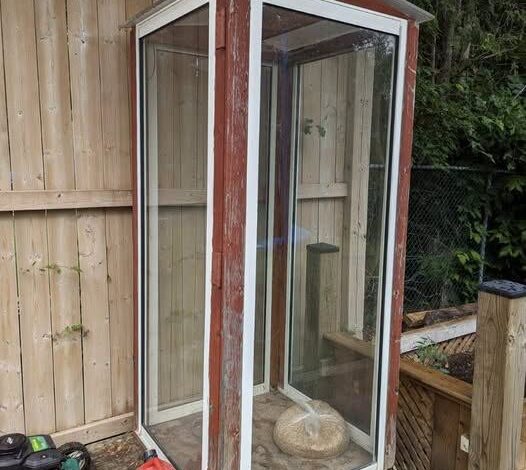
Old windows that might have ended up in a landfill suddenly find new purpose, allowing soft natural light to filter into the growing space. Reclaimed lumber becomes sturdy walls. Salvaged hardware, leftover roofing, and simple hand tools come together piece by piece until the structure begins to take shape.
It doesn’t need to be elaborate.
In fact, its simplicity is often part of its charm.
Placed beneath the shade of mature trees or positioned where direct sunlight remains gentle, the finished space creates conditions that mushrooms appreciate: cool temperatures, high humidity, and protection from harsh weather.
Stepping inside feels noticeably different.
The outside world grows quieter.
The air carries the rich scent of damp wood, soil, and fresh straw. Moisture clings lightly to the walls, while filtered daylight creates a calm, almost timeless atmosphere. Even those unfamiliar with mushroom cultivation often describe the space as peaceful, inviting them to slow their breathing and simply notice their surroundings.
Every visit becomes a small ritual.
Rather than checking a phone, you check the humidity.
Instead of scrolling through notifications, you look beneath shelves and among growing blocks, searching for tiny clusters that weren’t there the day before.
Sometimes nothing appears.
Other days, delicate mushrooms emerge almost as if by magic, pushing quietly through the substrate after weeks of invisible growth.
Those moments never seem to lose their wonder.
For children, a mushroom fruiting house becomes an outdoor classroom unlike any other.
They learn that living things don’t always grow on demand.
They discover the importance of patience, careful observation, and gentle handling. Watering, monitoring conditions, and waiting for mushrooms to mature teaches responsibility in ways that feel natural rather than forced.
Perhaps most importantly, they begin noticing small changes.
A new cluster forming overnight.
The subtle shift in color that signals readiness for harvest.
The way moisture and temperature influence every stage of growth.
Lessons like these extend far beyond gardening.
Adults often find something equally valuable.
Many spend their days surrounded by screens, deadlines, and constant interruptions. Building something with reclaimed materials, working with their hands, and tending a living environment offers a welcome contrast to digital routines.
The fruiting house becomes more than a gardening project.
It becomes a place to pause.
A place where productivity is measured not by how quickly tasks are completed, but by the quiet satisfaction of nurturing something over time.
Even the harvest carries a different feeling.
Fresh mushrooms gathered by hand represent the visible reward, but they are rarely the greatest one.
The true harvest is found in the hours spent building, observing, and caring for the space itself.
It’s found in shared conversations while stacking lumber.
In children eagerly opening the door each morning.
In evenings spent adjusting humidity instead of rushing through another obligation.
The mushrooms simply become the most visible reminder of everything that happened along the way.
Perhaps that is why projects like these continue to resonate across generations.
They reconnect people with rhythms that modern life often encourages us to ignore. They remind us that growth cannot always be hurried, that meaningful work often happens quietly, and that some of life’s greatest satisfactions emerge only after weeks of patient attention.
In the end, a mushroom fruiting house is far more than a small building designed to grow fungi.
It is a place where old materials find new purpose, where families create lasting memories, and where nature quietly demonstrates that remarkable things happen when conditions are right and time is allowed to do its work.
Inside those cool, shaded walls, mushrooms are only part of what flourishes.
So do curiosity.
Craftsmanship.
Connection.
And the gentle reminder that sometimes the richest rewards come not from moving faster, but from slowing down long enough to notice life unfolding one quiet day at a time.