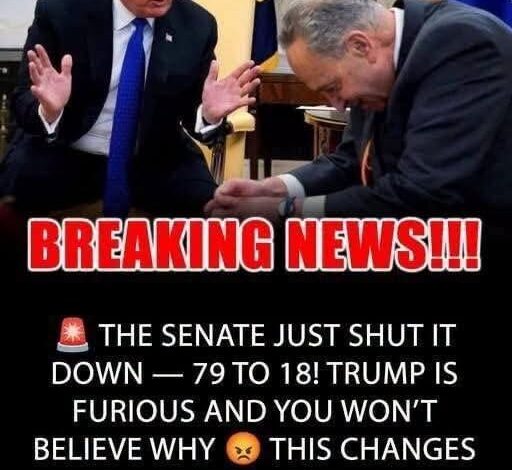
For many observers, the Senate vote was about far more than a single proposal on military assistance. It became a defining moment in a much larger debate over U.S. foreign policy, humanitarian responsibility, and the difficult balance between supporting allies and responding to the devastating human consequences of war.
Senator Bernie Sanders had argued that continued military aid should be subjected to greater scrutiny in light of the humanitarian crisis in Gaza. Supporters viewed his effort as a call for accountability and a reassessment of how American weapons might be used. Opponents maintained that sustaining assistance to Israel remained essential for the country’s security and for preserving a long-standing strategic alliance, while emphasizing Israel’s right to defend itself after the October 7, 2023, Hamas attacks.
When the measure failed, it underscored just how deeply divided Congress remains over one of the most contentious foreign policy issues facing the United States.
For some Americans, the outcome reinforced the belief that Washington continues to prioritize strategic alliances even as images of widespread destruction, civilian casualties, and humanitarian suffering dominate international headlines. They questioned whether existing policies adequately reflect the country’s stated commitments to human rights and civilian protection.
Others saw the vote differently.
They argued that withdrawing or restricting military support could weaken an important ally during an ongoing conflict and embolden hostile actors in an already volatile region. From this perspective, maintaining security partnerships and regional stability remains a central responsibility of U.S. foreign policy, even as humanitarian concerns demand continued attention.
The debate revealed more than disagreement over one legislative proposal.
It exposed fundamentally different views about America’s role in the world.
How should policymakers weigh strategic interests against humanitarian consequences?
What conditions, if any, should accompany military assistance?
How can governments support allies while also encouraging compliance with international humanitarian law?
These questions have no simple answers, and they continue to divide lawmakers, analysts, and the public alike.
Throughout the debate, Sanders consistently argued that Congress has both the authority and the obligation to examine how U.S. military aid is used. Even though his proposal did not succeed, it brought renewed attention to issues that many believe deserve greater public discussion, including civilian protection, oversight of foreign assistance, and the humanitarian impact of armed conflict.
The vote also highlighted the enduring influence of long-established foreign policy priorities in Washington.
For decades, bipartisan support for Israel has been a significant feature of U.S. policy, though recent years have seen growing debate within both major political parties over the scope and conditions of that support. The Senate’s decision demonstrated that, despite increasing public disagreement on the issue, significant bipartisan backing for the alliance remains.
Whether viewed as a missed opportunity for greater accountability or as a reaffirmation of an important security partnership, the outcome left few people indifferent.
For supporters of Sanders’ position, the vote represented a reminder of how difficult it is to alter longstanding foreign policy approaches, even during periods of intense international scrutiny.
For those who opposed his proposal, it reflected the belief that maintaining strategic commitments remains essential despite the complexity and tragedy of war.
What remains undeniable is that the discussion is far from over.
As the conflict continues and humanitarian concerns persist, lawmakers, advocacy groups, international organizations, and citizens will likely continue debating where the balance should lie between national security, alliance commitments, humanitarian obligations, and congressional oversight.
The Senate vote may have settled one legislative question, but it did not resolve the broader issues that gave rise to it. Instead, it became another chapter in an ongoing national conversation about how the United States should exercise its influence abroad, what responsibilities accompany military partnerships, and how democratic societies reconcile competing moral, strategic, and humanitarian priorities during times of war.