The most effective way to discourage snakes from visiting your yard is to make the area less appealing—not by harming them, but by removing the things that attract them in the first place.
Start with their food source.
Snakes are often drawn to properties because rodents, frogs, insects, or other small animals are abundant. Secure compost bins, promptly pick up fallen fruit, store pet food indoors, and clean up spilled birdseed regularly. If you use bird feeders, placing them away from patios and frequently sweeping up seed beneath them can help reduce the number of rodents that gather nearby.
Next, eliminate hiding places.
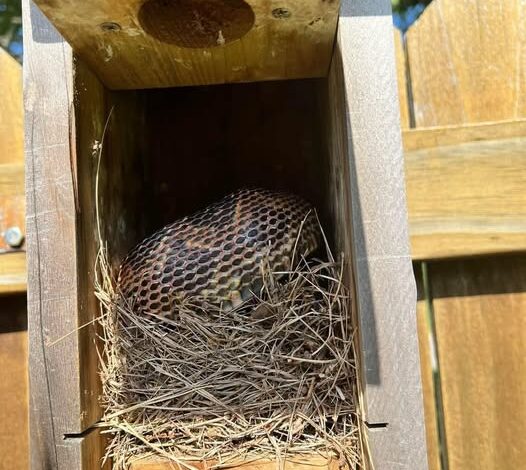
Keep your lawn mowed, trim overgrown vegetation, and remove piles of leaves, brush, rocks, or stacked lumber where snakes can shelter from heat and predators. Firewood should be stored neatly and elevated off the ground whenever possible. A tidy yard offers far fewer places for snakes to rest unnoticed.
Pay close attention to the areas closest to your home.
Seal gaps beneath exterior doors, repair damaged window screens, and close openings around pipes, vents, and foundations where wildlife could enter. While snakes rarely seek to come indoors, they may follow cool air, shelter, or prey if easy access exists.
Many home remedies—including strong-smelling plants, essential oils, or homemade sprays—are popular online, but scientific evidence that they reliably repel snakes is limited. If you choose to try them, think of them as optional additions rather than dependable solutions, and always use essential oils cautiously around children and pets, as some can be irritating or toxic.
Likewise, products such as mothballs are not recommended for routine snake control. They are intended for specific pest-control uses, can pose health risks to people and animals if misused, and have not been shown to be a reliable way to keep snakes away outdoors.
If you encounter a snake in your yard, the safest approach is usually to leave it alone and give it space. Most snakes are nonvenomous and play an important role in controlling rodents and other pests. If a snake has entered your home, appears venomous, or is in a location where it presents a genuine safety concern, contact your local animal control agency or a licensed wildlife removal professional. Relocating snakes yourself is often discouraged, as it can be dangerous for both you and the animal and may be restricted by local wildlife regulations.
The goal isn’t to eliminate snakes from the environment.
It’s to make your property a place they simply choose to pass by.
By reducing food sources, removing shelter, maintaining your yard, and keeping your home well sealed, you can greatly reduce the chances of unexpected encounters while allowing these important animals to continue their role in the surrounding ecosystem.