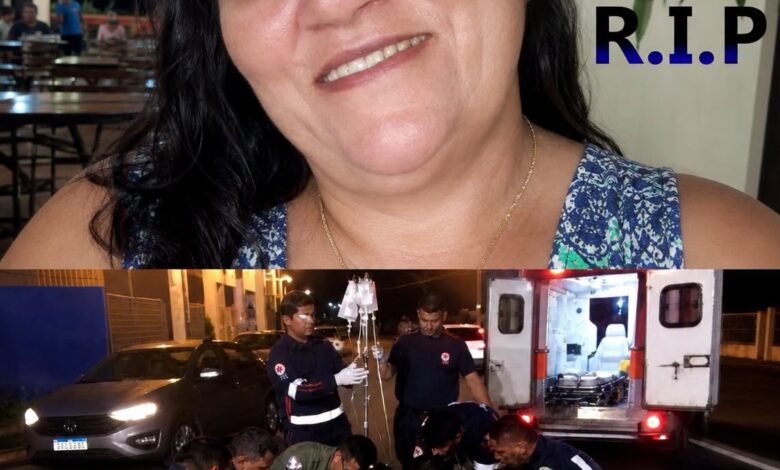
She wasn’t doing anything that looked dangerous.
There was no speeding car.
No dark alley.
No extreme sport.
No obvious moment when someone watching might have shouted, “Stop.”
She was doing laundry.
That ordinary detail is what makes the story so frightening.
A basket of clothes needed washing. There were stains to remove, surfaces to clean, chores to finish. Like millions of people every day, she stepped into a laundry room believing she would walk back out when the work was done.
She had no reason to think this room would become dangerous.
Homes are supposed to be where danger ends.
We lock the doors. We install smoke alarms. We teach children not to touch hot stoves. We store medicine out of reach.
Yet some of the most serious hazards in a house sit quietly beneath sinks, beside washing machines, or inside cabinets.
They come in brightly colored bottles with familiar names.
Bleach.
Disinfectant.
Toilet cleaner.
Ammonia-based products.
Drain cleaner.
Descalers.
Products we have handled so many times that we stop thinking of them as chemicals.
We think of them as chores.
That familiarity can create dangerous confidence.
The label has been seen before, so this time it isn’t read carefully.
The cap comes off automatically.
A little extra product seems harmless.
The room smells strong, but cleaning products are supposed to smell strong, aren’t they?
Then someone decides that if one cleaner works well, combining it with another might work even better.
That assumption can turn an ordinary cleaning task into an emergency.
Household chemicals should never be mixed unless the product instructions explicitly say it is safe to do so.
Bleach is especially important to treat cautiously. Mixing it with certain other cleaners, including ammonia or acids, can release dangerous gases.
And the warning signs may initially seem deceptively ordinary.
A harsh odor.
Burning eyes.
Coughing.
A scratchy throat.
Difficulty breathing.
Chest discomfort.
Dizziness.
Nausea.
Someone may tell themselves they simply used too much cleaner.
They may open the door for a minute.
They may try to finish the last load.
They may think, “I’ll be fine.”
That instinct—to finish the chore—is understandable.
It can also be dangerous.
If strong fumes suddenly develop while using cleaning products, the priority is not the laundry.
It is getting away from the exposure.
Move into fresh air immediately if it can be done safely. Avoid deliberately inhaling fumes to identify them. Do not attempt to neutralize an unknown chemical mixture by adding another product. If someone develops breathing difficulty, severe coughing, confusion, collapse, or other significant symptoms, emergency medical help should be sought immediately.
Those instructions sound obvious when written afterward.
Emergencies rarely feel obvious while they are happening.
That’s part of the problem.
Danger inside a home doesn’t always announce itself dramatically.
Sometimes it accumulates.
A window remains closed.
Ventilation is poor.
A product is poured into a container that once held something else.
A label has faded.
Two caps get switched.
Someone assumes a cleaner is the same formula they have always used.
A child interrupts.
The phone rings.
A person rushes because dinner needs making and there are still three other things to do.
Nothing feels reckless.
Everything feels ordinary.
Until it isn’t.
That is why stories of fatal household accidents can be so unsettling.
They challenge one of our deepest assumptions:
Terrible things happen somewhere else.
To careless people.
Under unusual circumstances.
But serious accidents don’t require someone to be foolish.
Sometimes they require only a small misunderstanding combined with unfortunate conditions.
A person can be responsible, experienced, loving, careful in a hundred other areas of life—and still make one mistake.
The purpose of remembering that isn’t to assign blame.
It’s to resist complacency.
After a tragedy, people naturally search for the exact decision that could have changed everything.
Why didn’t she open the window?
Why didn’t she read the label?
Why didn’t she leave when the smell became strong?
Why didn’t someone warn her?
Those questions can quickly become cruel because hindsight possesses information the person never had in the moment.
What seems unmistakable afterward may have felt completely manageable beforehand.
A better question is:
What can the rest of us learn?
Start with the labels.
Actually read them.
Not once when the bottle is purchased and never again.
Before using an unfamiliar product, check the instructions and warnings.
Keep products in their original containers whenever possible so the label stays attached to the chemical it describes.
Don’t transfer cleaners into drink bottles or other containers that could cause confusion.
Don’t assume similar-looking products contain similar ingredients.
And don’t create homemade chemical combinations because someone online promised they would clean faster.
More isn’t automatically better.
Stronger isn’t automatically cleaner.
A powerful chemical smell isn’t evidence that a product is “working.”
It can be evidence that you need to leave.
Ventilation matters too.
Laundry rooms, bathrooms, basements, and utility spaces can be relatively small.
When fumes are produced in enclosed areas, concentrations can build more quickly than they would outdoors.
Follow the ventilation instructions on the product. Use exhaust systems where appropriate. Open doors or windows when the label calls for fresh airflow and conditions allow it.
Most importantly, listen to your body.
Burning eyes aren’t an inconvenience to work through.
Sudden coughing isn’t something to ignore because only half the floor has been cleaned.
Trouble breathing is not a signal to finish quickly.
The chore can wait.
The clothes can remain dirty.
The bathroom can remain unfinished.
Leave.
There is no prize for completing housework while your lungs are telling you something is wrong.
That lesson feels painfully simple after someone has already been lost.
Her family cannot turn back the clock.
They cannot reopen that laundry-room door before everything went wrong.
They cannot replace one decision with another.
They are left with the kind of absence ordinary objects make particularly difficult.
A laundry basket may suddenly carry a memory.
A bottle on a shelf may become unbearable to look at.
A familiar smell can bring an entire day rushing back.
Grief transforms rooms.
Places that once meant nothing become sacred or impossible.
And for the people left behind, the tragedy isn’t primarily a safety lesson.
It is a person missing from the table.
A voice that no longer answers.
Shoes that remain where someone left them.
Plans that now belong to a future that will never happen.
That distinction matters.
When someone’s death becomes a warning story, there is a risk of reducing an entire human life to the mistake surrounding its final moments.
She was more than what happened in that laundry room.
She had relationships.
Habits.
Favorite things.
People who knew the sound of her laugh.
People who expected more ordinary days with her.
The tragedy deserves to teach us something without allowing the accident to become everything she was.
Perhaps the most meaningful lesson is also the least dramatic.
Slow down.
Household safety is rarely heroic.
It consists of tiny decisions nobody applauds.
Reading the back of a bottle.
Keeping chemicals in their original containers.
Refusing to mix products.
Opening a window when instructed.
Turning on ventilation.
Walking outside when something smells wrong.
Calling for help instead of assuming symptoms will pass.
Those actions don’t make headlines because when they work, nothing happens.
That is their success.
Someone finishes cleaning.
Someone folds the clothes.
Someone closes the laundry-room door.
Someone goes upstairs.
Dinner gets made.
The evening continues.
A family remains completely unaware that a small precaution may have prevented a catastrophe.
Safety often looks exactly like that.
Nothing.
No sirens.
No emergency room.
No grieving relatives trying to understand how an ordinary chore became the last thing someone ever did.
We cannot change the choices made before a tragedy we already know about.
We can only change what happens the next time one of us reaches beneath the sink.
Maybe we hesitate before combining two products.
Maybe we read the warning we usually ignore.
Maybe a harsh smell makes us leave instead of pushing through.
Maybe we tell someone else what we learned.
And perhaps, somewhere, that tiny interruption changes an ending.
A bottle stays closed.
A window opens.
A person steps outside.
Fresh air fills their lungs.
The laundry remains unfinished.
And they are still there to finish it tomorrow.