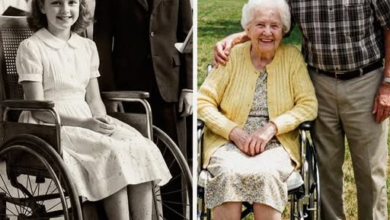
Aging rarely arrives all at once.
It does not usually announce itself through one dramatic moment or sudden transformation. Most families imagine growing older through visible signs:
gray hair appearing slowly at the temples,
wrinkles deepening around familiar smiles,
a cane resting beside the front door,
movements becoming more careful and deliberate over time.
But for people who closely care for aging parents, grandparents, spouses, or loved ones, the deeper realities of later life often unfold far more quietly.
The changes begin subtly.
A favorite meal left unfinished.
An afternoon nap that grows longer each week.
Stories repeated more often than before.
A once-active person gradually withdrawing from crowded conversations or tiring more easily after simple daily routines.
At first, these shifts can seem small or unrelated.
Easy to dismiss.
Easy to explain away as temporary fatigue, stress, distraction, or ordinary aging.
Yet over time, families often realize they are witnessing something larger:
the body and mind adapting gradually to increasing vulnerability.
Importantly, these changes should never be treated as exact predictions about lifespan or immediate decline. Aging is deeply individual. Some people remain physically active and cognitively sharp well into advanced age, while others experience significant health challenges much earlier depending on genetics, medical conditions, lifestyle, emotional wellbeing, and access to care.
Still, recognizing subtle patterns can help caregivers respond with greater compassion, patience, and attentiveness.
Because the goal is not fear.
The goal is dignity.
One of the most commonly observed changes in older adults involves appetite.
Families often notice it gradually:
smaller portions,
less enthusiasm for meals,
food left untouched that someone once enjoyed deeply.
This shift can feel emotionally unsettling because eating is tied so closely to life, comfort, and family connection. When an elderly loved one begins eating less, many caregivers instinctively worry something serious is wrong immediately.
Sometimes medical issues do contribute:
dental discomfort,
difficulty swallowing,
digestive changes,
side effects from medication,
depression,
or chronic illness.
But aging itself also changes how the body processes hunger and energy needs. Metabolism slows naturally over time, meaning older adults may simply require fewer calories than they once did.
Taste and smell can shift too, making food less pleasurable than before.
What matters most is not forcing large meals, but focusing on nourishment that feels manageable and comforting.
Soft foods.
Nutrient-dense snacks.
Warm soups.
Fresh fruit.
Favorite recipes carrying emotional familiarity.
And perhaps equally important is the social experience surrounding meals.
For many elderly individuals, conversation and companionship become more meaningful than the quantity of food consumed itself. Sitting together quietly over tea or sharing small meals without pressure can preserve emotional connection even when appetite changes.
Another major shift families often observe is increasing fatigue.
An older loved one who once stayed active throughout the day may begin sleeping more frequently or losing interest in physically demanding activities.
Again, this can emerge for many reasons.
Aging naturally affects muscle strength, cardiovascular endurance, balance, and sleep quality. Chronic health conditions may also drain energy gradually over time. Even routine tasks like bathing, dressing, grocery shopping, or climbing stairs can begin requiring significantly more effort than they once did.
Caregivers sometimes struggle emotionally with this transition.
They want to encourage independence and activity, fearing that too much rest will accelerate decline. While movement remains important when medically appropriate, pushing elderly individuals beyond their energy limits can create frustration, injury risk, or emotional discouragement.
Supportive care often means adapting expectations compassionately.
Allowing rest without guilt.
Encouraging gentle movement instead of demanding productivity.
Creating calm routines that prioritize comfort over performance.
Because exhaustion in older adults is not always laziness or disinterest.
Sometimes it is simply the body asking for gentleness.
Cognitive and emotional changes can feel especially difficult for families because they touch communication itself.
Some elderly individuals become quieter with age, preferring smaller conversations or periods of reflection rather than constant social activity. This does not automatically indicate illness. Many people naturally turn inward emotionally as they age, valuing calmness over stimulation.
However, memory patterns may also begin changing.
Recent events become harder to recall.
Questions repeat.
Stories resurface multiple times in the same conversation.
Meanwhile, memories from decades earlier often remain vivid and emotionally accessible.
This contrast can feel confusing to loved ones.
Families may notice a grandparent vividly describing childhood experiences while forgetting what happened earlier that afternoon. These changes can stem from normal aging, stress, medication effects, mild cognitive impairment, or conditions such as dementia that require professional evaluation.
What matters deeply during these moments is preserving dignity.
Correcting someone harshly,
arguing over memory,
or expressing frustration repeatedly can increase anxiety and emotional distress significantly.
Patience becomes essential.
Gentle responses.
Calm reassurance.
Listening even when stories repeat.
These approaches help elderly individuals feel emotionally safe rather than embarrassed by changes they often recognize themselves but cannot fully control.
One painful reality of aging is that many older adults become acutely aware of their own slowing minds and bodies long before others realize it openly.
That awareness can create fear,
shame,
withdrawal,
or sadness.
Kindness matters enormously in those moments.
Physical resilience also changes significantly over time.
Minor illnesses that once passed quickly may linger for weeks.
A small fall may require extended recovery.
Simple infections can become more serious than they would have earlier in life.
The immune system naturally becomes less efficient with age, making older adults more vulnerable to complications from conditions younger people might dismiss easily.
This is why hydration, nutrition, medical supervision, and careful monitoring become increasingly important.
Families sometimes underestimate how quickly small health concerns can escalate in vulnerable elderly individuals.
At the same time, many older adults deeply value independence and may resist excessive intervention because they fear losing autonomy.
Balancing protection with respect becomes one of caregiving’s greatest emotional challenges.
Loved ones want safety.
Older adults want dignity.
Healthy caregiving requires honoring both whenever possible.
Circulation and breathing changes may also appear gradually later in life.
Hands and feet may feel colder due to reduced blood flow.
Skin may appear thinner or more fragile.
Temperature sensitivity increases.
Breathing patterns can shift too, especially during illness or advanced age:
shallower breathing,
longer pauses between breaths,
greater fatigue after mild exertion.
These symptoms should always be evaluated medically when concerning, but they also reflect how interconnected bodily systems become increasingly delicate over time.
Creating physical comfort matters greatly:
warm blankets,
stable room temperatures,
easy access to hydration,
comfortable seating,
quiet surroundings.
Small adjustments often improve quality of life more than people realize.
And perhaps the most important thing families must understand is this:
aging is not solely a medical process.
It is emotional too.
Elderly individuals do not simply experience physical symptoms. They experience changing identity.
A person who once cared for everyone else may suddenly require assistance.
Someone once fiercely independent may struggle asking for help.
A parent may quietly grieve the loss of strength, memory, mobility, or social roles that once defined daily life.
These emotional transitions deserve just as much compassion as physical care.
Loneliness becomes another major concern in later life.
Friends pass away.
Communities shrink.
Driving becomes difficult.
Children become busy with careers and families.
Many elderly people spend long stretches of time alone even when surrounded by people who love them.
That isolation can deeply affect emotional and physical health.
Regular conversation,
visits,
phone calls,
shared routines,
gentle touch,
and simple presence matter profoundly.
Sometimes sitting quietly beside someone communicates more care than elaborate solutions ever could.
Caregiving itself can also become emotionally overwhelming.
Family members often carry invisible exhaustion while balancing work, parenting, finances, medical responsibilities, and the emotional pain of watching someone they love become increasingly fragile.
Many caregivers experience guilt constantly:
guilt for feeling tired,
guilt for losing patience,
guilt for wanting help,
guilt for fearing the future.
Support systems matter for caregivers too.
No one should carry caregiving entirely alone if support is available.
And throughout all of this, one truth remains essential:
aging is not only decline.
Even during vulnerability, elderly individuals continue experiencing humor, memory, wisdom, affection, curiosity, frustration, and emotional depth. They remain fully human beyond diagnoses or limitations.
Too often society reduces aging people to medical problems instead of recognizing the richness of their inner lives.
But older adults still want dignity.
Still want autonomy where possible.
Still want to feel seen rather than managed.
Families who approach aging with patience and emotional sensitivity help preserve something incredibly important:
the feeling that a person’s value does not disappear simply because their body changes.
Ultimately, caregiving in later life is not about controlling aging itself.
No one can stop time.
What caregivers can do is create environments where elderly individuals feel safe, respected, comforted, and emotionally connected throughout vulnerable stages of life.
That means noticing subtle changes with compassion instead of panic.
Seeking medical guidance when needed.
Adjusting routines thoughtfully.
Offering reassurance rather than frustration.
Remaining present even when conversations repeat or progress slows.
Because in the end, the deepest human need rarely changes with age.
People still want love.
Connection.
Patience.
Understanding.
And sometimes the most meaningful thing a caregiver can offer is not a cure or perfect solution, but the quiet reassurance that even during life’s most fragile seasons, no one has to walk through them alone.
:::