It often starts so quietly that it’s easy to dismiss. A slight itch after a workout. A tiny red bump that looks like a harmless pimple. A patch of irritation that seems like nothing more than razor burn. But the warm, moist environment of the groin creates ideal conditions for irritation and infection to take hold. What begins as a minor annoyance can gradually become a painful condition that affects every step you take, making walking, exercising, and even sitting increasingly uncomfortable.
One common culprit is the ingrown hair.
After shaving, waxing, or friction from tight clothing, a hair may curl back into the skin instead of growing outward. The body recognizes the trapped hair as a foreign object, triggering inflammation. What begins as a small bump can become swollen, tender, and filled with pus if bacteria enter the area. Repeated irritation may even leave behind dark marks or small scars once the bump finally heals.
Folliculitis is another frequent cause of groin irritation.
This condition develops when hair follicles become inflamed, often because of bacteria, fungi, or persistent friction. Instead of a single bump, clusters of red or white pustules may appear across hair-bearing skin. The area can become sore, itchy, and sensitive to touch, especially after sweating or prolonged movement. Mild cases often improve with good hygiene and reduced friction, but more severe infections sometimes require prescription treatment from a healthcare professional.
Fungal infections, commonly known as jock itch, are also widespread.
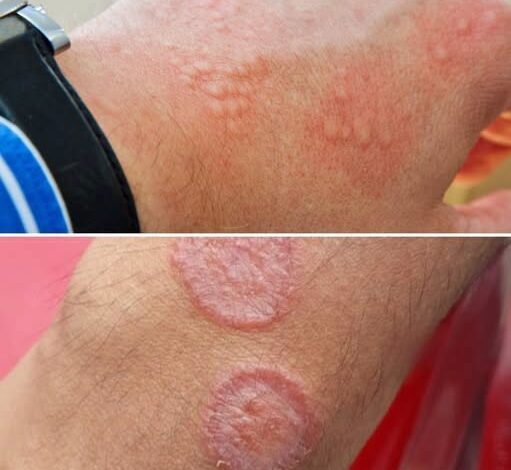
The fungus thrives in warm, damp skin folds, particularly after exercise or long hours in tight, non-breathable clothing. It usually begins with itching before developing into a spreading rash with a raised, well-defined border. As the infection expands, the skin may become red, flaky, cracked, or intensely irritated. Constant scratching can damage the skin further, increasing the risk of secondary bacterial infection.
Intertrigo presents a different challenge.
Rather than being caused by a single organism, it develops when skin repeatedly rubs against skin in moist areas such as the groin. Sweat, trapped heat, and friction gradually break down the skin’s protective barrier. The affected area may appear bright red, raw, tender, and sometimes weepy. If yeast or bacteria take advantage of the damaged skin, the inflammation can become even more painful and difficult to control.
Although these conditions are common, many people hesitate to seek medical advice because of embarrassment.
Unfortunately, delaying treatment often allows a simple problem to become much more difficult to manage. Persistent inflammation can worsen discomfort, increase the chance of infection, and prolong recovery. In more serious cases, spreading redness, increasing swelling, fever, or severe pain may indicate that the infection has moved beyond the surface of the skin and requires prompt medical evaluation.
Fortunately, prevention often begins with simple daily habits.
Keeping the groin clean with gentle cleansing, drying the area thoroughly after bathing or exercise, and changing out of sweaty clothing as soon as possible all help reduce moisture that encourages bacteria and fungi to grow. Loose, breathable underwear made from moisture-wicking fabrics can significantly reduce friction and heat buildup. If you shave the area, using a clean, sharp razor and shaving in the direction of hair growth may lower the risk of ingrown hairs.
Good hygiene also means avoiding shared personal items.
Razors, towels, and clothing can sometimes transfer bacteria or fungi from one person to another. Using your own clean grooming tools and washing towels regularly helps reduce the risk of infection. After workouts, changing into dry clothes promptly is another simple step that can make a meaningful difference.
It’s equally important to know when home care is no longer enough.
If a rash lasts more than a week or two despite good hygiene, continues spreading, produces pus, develops a foul odor, or becomes increasingly painful, it’s time to seek medical advice. Likewise, fever, rapidly worsening redness, or swelling should never be ignored, as these symptoms may point to a more serious infection that requires prompt treatment.
The groin is a sensitive part of the body, but common skin conditions affecting it are nothing to be ashamed of. They are medical issues, not personal failures. Early attention can often prevent unnecessary discomfort and reduce the likelihood of complications.
Listening to your body is one of the best forms of self-care. A small itch or bump may be harmless, but when irritation persists, worsens, or begins interfering with your daily life, don’t let embarrassment delay treatment. Caring for your skin with consistent hygiene, breathable clothing, and timely medical evaluation when needed protects not only your comfort but also your overall health.