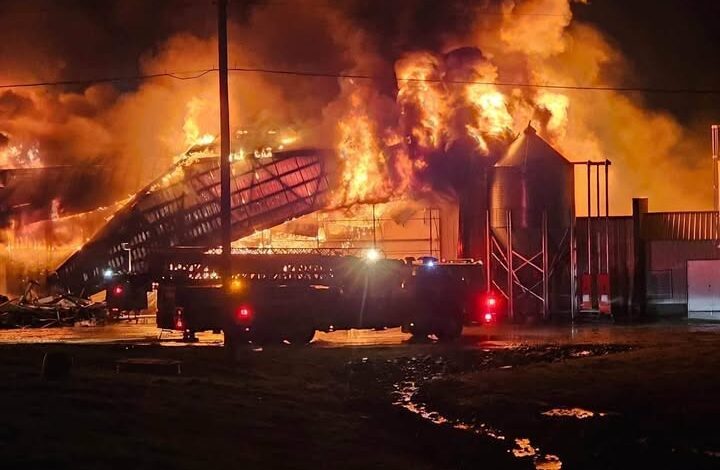
What began as a fast-moving hillside fire has now become a long and difficult struggle for recovery, leaving many families facing an uncertain future after losing the homes they depended on every day.
As the flames swept through the community, residents were forced to make split-second decisions. Some fled with only the clothes they were wearing. Others managed to gather a few belongings before evacuating. Many watched helplessly as smoke and fire consumed homes that had taken years—or even decades—to build.
Now, after the immediate danger has passed, the full scale of the devastation is becoming clear.
For the families affected, the loss extends far beyond damaged buildings. Homes hold memories, family photographs, important documents, medications, clothing, financial records, and countless personal items that cannot simply be replaced. The destruction has left many residents not only without shelter but also without the sense of security and stability that a home provides.
Emergency support remains the most urgent concern.
Local agencies, volunteers, and relief organizations have mobilized to provide temporary shelter, food, medical assistance, clothing, hygiene supplies, and other essential services. For residents who escaped with little more than their lives, these resources are critical to helping them navigate the first difficult days after the disaster.
Particular attention is being focused on vulnerable populations, including older adults, children, individuals with disabilities, and families already facing financial hardship before the fire occurred. For many of these residents, rebuilding will be especially challenging without sustained support.
Yet the hardest part of recovery may still lie ahead.
Once emergency shelters close and media attention fades, families will continue facing difficult questions. Where will they live? How will they replace what was lost? Can their homes be repaired, or will they need to start over entirely? Insurance claims, cleanup costs, housing shortages, and rebuilding expenses can create obstacles that last for months or even years.
Beyond the immediate losses, the fire has reignited concerns about disaster preparedness and community safety.
Neighborhoods located on hillsides and in fire-prone areas often face unique challenges. Narrow roads, limited evacuation routes, aging infrastructure, dry vegetation, and increasing wildfire risks can all contribute to dangerous conditions when emergencies occur. The disaster has highlighted vulnerabilities that many residents and officials may now feel compelled to address.
Community organizations have become a vital source of support throughout the crisis.
Volunteers, faith groups, nonprofits, and local leaders are helping distribute supplies, coordinate services, provide transportation, assist with cleanup efforts, and offer emotional support to those struggling with the aftermath. Their work demonstrates how communities often come together during moments of profound hardship.
Still, long-term recovery will require more than goodwill alone.
Rebuilding homes, restoring damaged infrastructure, and helping displaced residents regain stability will likely require continued cooperation between government agencies, charitable organizations, private donors, and community leaders. Sustained assistance will be essential to ensure that affected families are not forgotten once the immediate emergency has passed.
The disaster has also prompted broader discussions about prevention.
Many residents and advocates are calling for stronger emergency planning, improved evacuation systems, better wildfire mitigation efforts, expanded public warning systems, and investments in infrastructure designed to reduce future risks. For communities vulnerable to similar disasters, recovery may involve not only rebuilding what was lost but also strengthening protections against future emergencies.
For now, many families remain focused on the day-to-day challenges of moving forward.
They are searching for housing, replacing necessities, managing financial uncertainty, and coping with the emotional impact of losing homes and possessions. The process will not be quick, and for some, recovery may take years.
Yet even amid the destruction, signs of resilience continue to emerge.
Neighbors are helping neighbors. Volunteers are offering support. Community members are finding ways to stand together during one of the most difficult periods many have ever experienced.
A fire can destroy homes in a matter of minutes, but rebuilding a community requires patience, compassion, and sustained commitment.
As this hillside community begins the long journey forward, the goal extends beyond restoring buildings. It is about restoring stability, dignity, and hope for the people whose lives were changed forever by the flames.
The road ahead will not be easy, but recovery is already underway—one act of support, one rebuilt home, and one determined family at a time.