The Birthday Betrayal: I Walked Into My Grandfather’s 80th Party and Found a Scene That Made My Blood Boil

I expected to walk into a house filled with laughter.
It was my grandfather’s eightieth birthday—a milestone that should have brought our entire family together. I imagined a crowded driveway, warm conversations spilling from room to room, and the familiar chaos that always accompanied family celebrations.
Instead, I opened the front door and stepped into silence.
Not the peaceful kind. The heavy kind.
The kind that settles over a room when something has gone terribly wrong.
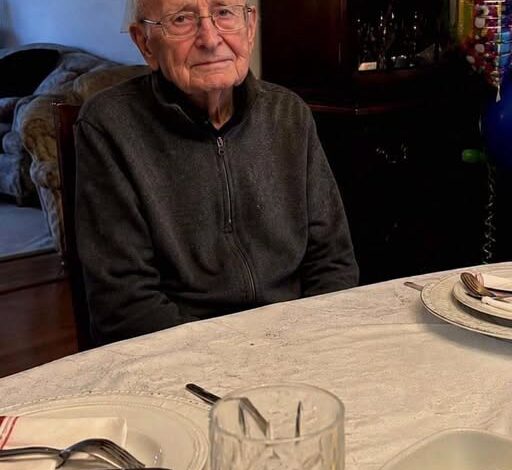
At the head of a beautifully decorated dining table sat my grandfather, Walter. The food was ready. The candles were waiting. Every chair had been carefully arranged.
But every seat was empty.
And in that heartbreaking moment, I realized a painful truth: the people he had spent a lifetime supporting had forgotten him when he needed them most.
What happened that day was more than a missed birthday party. It exposed something far deeper—a family that had slowly begun taking one of its most important people for granted.
For as long as I could remember, Grandpa Walter had been the glue holding us together.
He wasn’t rich by celebrity standards. He never sought attention, praise, or recognition. In fact, most of the things he did for others happened quietly, behind the scenes.
But whenever someone needed help, he was there.
When a relative struggled to pay for braces, Grandpa stepped in.
When tuition bills became overwhelming, Grandpa found a way to help.
When unexpected medical expenses threatened to crush a family member financially, Grandpa reached into his savings without hesitation.
He never kept score.
He never expected repayment.
Helping others wasn’t something he did. It was simply who he was.
Birthdays, anniversaries, graduations—he remembered them all. If someone called at midnight needing advice, he answered. If a family member was hurting, he showed up.
For decades, he gave pieces of himself to everyone around him.
And somehow, many of us stopped noticing.
Two years earlier, my grandmother had passed away.
Her absence changed everything.
The house on Maple Street remained spotless, warm, and welcoming, but something vital was missing. The laughter was quieter. The evenings felt longer. The rooms seemed larger than before.
Yet Grandpa never complained.
He continued calling relatives to check on them.
He continued hosting family dinners.
He continued remembering everyone’s important moments.
Most importantly, he continued believing that family would always be there for one another.
So when his eightieth birthday approached, he was genuinely excited.
Not because he expected gifts.
Not because he wanted attention.
He simply wanted to spend time with the people he loved.
Weeks before the celebration, he talked about it constantly.
“I can’t wait to have everyone together again,” he’d say with a smile.
Seeing how much it meant to him, I personally contacted family members to confirm attendance.
Every conversation reassured me.
Aunt Linda promised she’d be there.
Uncle Greg said he wouldn’t miss it.
My parents marked the date on their calendar immediately.
One by one, everyone committed.
When I shared the good news with Grandpa, his face lit up like a child on Christmas morning.
Looking back, that’s the image that still hurts the most.
Because he believed them.
On the morning of the party, he woke up early and threw himself into preparations.
He cooked family favorites that had been requested countless times over the years.
He arranged the dining room with care.
He baked his famous lemon cake.
He even wore the blue button-down shirt my grandmother had always loved seeing him in.
Every detail reflected hope.
Every detail reflected love.
Every detail was prepared for people who never came.
That afternoon, work delayed me longer than expected.
As I drove down Maple Street, an uneasy feeling settled in my stomach.
Something wasn’t right.
The street was empty.
No cars lined the curb.
No voices echoed from the house.
No signs suggested a family gathering was taking place.
Only a single balloon moved gently in the breeze on the front porch.
When I stepped inside, my worst fears were confirmed.
Grandpa sat alone at the table.
The food remained untouched.
The birthday cake was still waiting.
The candles hadn’t been lit.
He was quietly folding napkins, as though staying busy might make the waiting easier.
When he saw me, he offered a small smile.
Then he said something I’ll never forget.
“I guess everyone got busy.”
My heart shattered.
He didn’t sound angry.
He didn’t sound bitter.
He sounded disappointed.
And somehow, that was even worse.
I spent the evening with him, trying desperately to salvage what remained of the day.
Throughout the night, messages began arriving.
One relative blamed work.
Another claimed they weren’t feeling well.
Someone else said something unexpected had come up.
The excuses were different, but they all led to the same outcome.
A man who had spent decades showing up for everyone else spent his eightieth birthday almost completely alone.
Later that evening, I watched him blow out a single candle.
One candle.
One wish.
One empty room.
That was the moment I made a decision.
I couldn’t undo what had happened.
But I refused to allow everyone to pretend it wasn’t a big deal.
The following week, I called what I described as an important family meeting.
Curiosity brought almost everyone through Grandpa’s front door.
Some worried about inheritance issues.
Others assumed there was a family emergency.
None of them were prepared for what they found.
The dining room looked almost exactly as it had on his birthday.
The decorations were still hanging.
The table remained set.
The atmosphere felt frozen in time.
But this time, there was something new.
Photographs.
Dozens of them.
Pictures of the untouched food.
Pictures of the empty chairs.
Pictures of the beautifully prepared celebration.
And one photograph that changed everything.
Grandpa sitting alone.
Waiting.
The room became silent almost instantly.
No one spoke.
No one needed to.
The images told the story better than words ever could.
Then I began reminding everyone of the things Grandpa had done throughout the years.
The tuition payments.
The emergency loans.
The favors.
The sacrifices.
The countless moments when he had shown up without being asked.
Then I pointed to the photographs.
The contrast was impossible to ignore.
Suddenly, every excuse sounded hollow.
Every explanation felt inadequate.
The conversation that followed was emotional, uncomfortable, and long overdue.
Some relatives became defensive.
Others looked ashamed.
A few couldn’t even meet Grandpa’s eyes.
Uncle Greg stormed out halfway through.
But most stayed.
For the first time, they truly understood the pain they had caused.
Months have passed since that meeting.
Our family isn’t perfect.
But it has changed.
The gatherings are smaller now, yet far more meaningful.
The people who come actually want to be there.
My mother arrives early to help cook.
Jenna visits regularly with her children.
Family dinners happen more often.
Promises have been replaced by actions.
Most importantly, Grandpa is no longer sitting alone.
We can’t erase what happened on his birthday.
None of us can.
But perhaps that painful day taught us something we desperately needed to learn.
Love is not measured by intentions.
It is measured by presence.
It is measured by showing up.
It is measured by making time for the people who have spent a lifetime making time for you.
Sometimes families don’t realize what they have until they are forced to see what they almost lost.
Watching Grandpa sit alone at that table became a wake-up call for all of us.
It reminded us that gratitude should never be postponed.
Because one day, there may not be another birthday, another dinner, or another opportunity to say thank you.
Thankfully, our family learned that lesson in time.
Today, the table Grandpa spent decades building is filled once again—not with people who feel obligated to attend, but with people who genuinely appreciate the man sitting at its head.
And that has made all the difference.