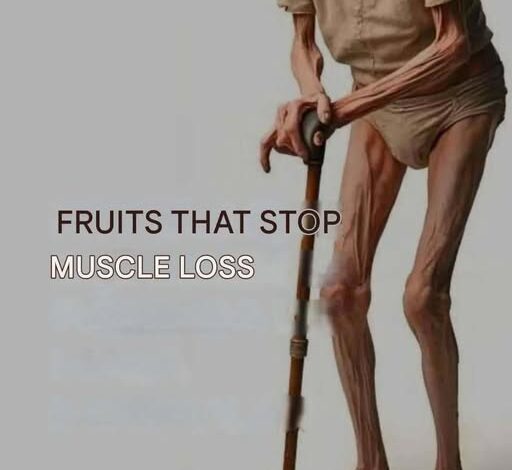
Best Foods for Building Muscle Mass
Building muscle requires more than just consistent training. While exercise provides the stimulus for muscle growth, nutrition supplies the raw materials your body needs to repair and build new muscle tissue.
Since muscle is largely composed of water and protein, consuming enough high-quality protein is essential. Carbohydrates and healthy fats also play important roles by providing energy, supporting recovery, and helping maintain overall health.
The Importance of a Calorie Surplus
To gain muscle effectively, most people need to consume slightly more calories than they burn each day. This is often called a calorie surplus or muscle-building diet.
Protein intake is equally important. Many sports nutrition experts recommend consuming between 1.2 and 2.2 grams of protein per kilogram of body weight per day, depending on factors such as training intensity, age, and fitness goals.
Top Foods That Help Build Muscle
1. Eggs
Eggs are often considered one of the best muscle-building foods because they contain all nine essential amino acids needed for muscle repair and growth.
Both the egg white and yolk provide valuable nutrients:
- High-quality protein
- Healthy fats
- Vitamins B12 and D
- Choline for muscle and nerve function
2. Meat
Meat provides approximately 15–22% protein and is rich in important nutrients such as:
- Iron
- Zinc
- Phosphorus
- Vitamin B12
Both red and white meats are excellent protein sources. The main difference usually lies in their fat content rather than their protein content.
Examples include:
- Chicken
- Turkey
- Lean beef
- Pork
- Lamb
3. Dairy Products
Milk, yogurt, and cheese contain high-quality proteins that support muscle growth and recovery.
Milk contains two major proteins:
- Casein (slow-digesting)
- Whey (fast-digesting)
These proteins make dairy products particularly useful for supporting muscle repair throughout the day.
Popular options include:
- Greek yogurt
- Cottage cheese
- Milk
- Cheese
4. Quinoa
Quinoa is often called a “complete protein” because it contains all essential amino acids.
In addition to protein, it provides:
- Fiber
- Magnesium
- Iron
- B vitamins
A 100-gram serving contains approximately 13–16 grams of protein, making it an excellent choice for both athletes and vegetarians.
5. Legumes
Beans, lentils, chickpeas, and peas are among the best plant-based protein sources available.
Their protein content ranges from approximately 17–25%.
Benefits include:
- High fiber content
- Complex carbohydrates
- Essential minerals
- Long-lasting energy
Combining legumes with grains can improve the overall amino acid profile of a meal.
6. Whole Grains
Whole grains may not contain as much protein as meat or eggs, but they contribute valuable nutrients and energy needed for training and recovery.
Examples include:
- Oats
- Brown rice
- Whole wheat
- Barley
- Whole grain pasta
Protein content generally ranges between 7–15%.
They also provide:
- Dietary fiber
- Magnesium
- B vitamins
- Sustained energy for workouts
Don’t Forget Carbohydrates and Healthy Fats
While protein receives most of the attention, muscle growth also depends on adequate energy intake.
Healthy carbohydrate sources:
- Rice
- Potatoes
- Oats
- Fruits
- Whole grains
Healthy fat sources:
- Avocados
- Nuts
- Seeds
- Olive oil
- Fatty fish
These foods support hormone production, recovery, and overall performance.
Final Thoughts
There is no single “magic food” for building muscle. The most effective approach combines:
- Consistent strength training
- Adequate calorie intake
- Sufficient protein
- Healthy carbohydrates and fats
- Proper recovery and sleep
Foods such as eggs, lean meats, dairy products, quinoa, legumes, and whole grains provide the nutrients your body needs to support muscle growth and long-term strength gains. When combined with regular exercise and a balanced diet, they can help you build muscle in a healthy and sustainable way.