King Charles Secret Health Crisis Deepens As Funeral Planning Operation Menai Bridge Accelerates

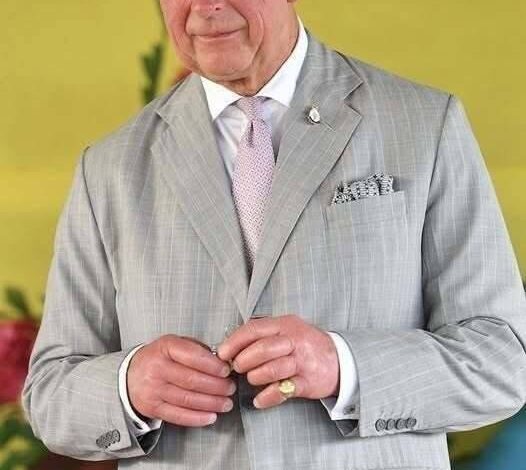
Behind Palace Walls: Growing Questions About King Charles’s Health
For months, the public has seen King Charles III carrying out royal duties, greeting well-wishers, attending official events, and projecting an image of determination during his ongoing cancer treatment.
But behind the carefully managed public appearances, growing questions continue to surround the monarch’s health and the future of the British royal family.
Since Buckingham Palace announced in early 2024 that King Charles had been diagnosed with cancer, official updates have remained limited. While palace statements have emphasized that the King continues to receive treatment and remains committed to his responsibilities, details about his condition have largely remained private.
As a result, speculation has flourished.
Observers have noted changes to the King’s schedule, adjustments to public engagements, and the increasing visibility of Prince William in major royal duties. While such developments may be expected as part of the natural evolution of the monarchy, they have fueled ongoing discussions about how much responsibility is gradually shifting toward the next generation.
Prince William, as heir to the throne, has taken on a growing number of official engagements both at home and abroad. He has represented the Crown at international events, met with world leaders, and stepped into roles traditionally associated with the monarch.
Many royal commentators view this not as a sign of crisis, but as prudent preparation.
The British monarchy has always relied on long-term planning.
Every significant royal transition is carefully organized years—sometimes decades—in advance. This includes detailed plans for state ceremonies, succession procedures, and national mourning events.
One of those plans is known as Operation Menai Bridge, the codename assigned to the procedures that would be implemented upon the death of King Charles III.
Contrary to sensational reports, such plans are not unusual. Every senior member of the royal family has a similar contingency framework in place. These preparations are standard protocol and are regularly reviewed regardless of an individual’s current health status.
Still, reports that palace officials continue refining these arrangements have attracted significant public attention.
For palace staff, the period has undoubtedly been challenging.
The King continues to undergo treatment while balancing the responsibilities of the Crown. Advisors, aides, and family members must simultaneously support the monarch’s recovery while ensuring that the institution continues functioning smoothly.
Those close to the royal household have consistently described King Charles as deeply committed to his role. Even while undergoing treatment, he has remained involved in state matters and constitutional responsibilities.
That dedication has become one of the defining themes of his reign.
After waiting more than seventy years to become king, Charles finally ascended the throne in 2022 following the death of Queen Elizabeth II. His reign began during a period of immense transition for both the monarchy and the nation.
Now, only a few years later, he faces perhaps the greatest personal challenge of his life.
At the same time, Prince William finds himself navigating an increasingly significant role within the institution. As both a son supporting an ill father and the future king preparing for eventual succession, he carries a unique burden.
Royal analysts note that William’s expanding responsibilities offer a glimpse into the monarchy’s future. While no immediate transition has been announced, the practical realities of governance require preparation for every possibility.
The public remains understandably interested in the King’s health.
However, the palace continues to maintain a careful balance between transparency and privacy. While updates are periodically provided, medical details remain confidential, reflecting the King’s right to personal privacy during treatment.
For now, King Charles continues to serve as monarch while receiving medical care.
The coming months will likely remain closely watched by both the British public and international observers.
Whether viewed through the lens of duty, resilience, or uncertainty, this chapter represents a significant moment in modern royal history.
What remains clear is that the monarchy is preparing for the future while continuing to support its reigning sovereign in the present.
And as the world watches, King Charles continues to face his challenge with the sense of responsibility and commitment that have defined his public life for decades.