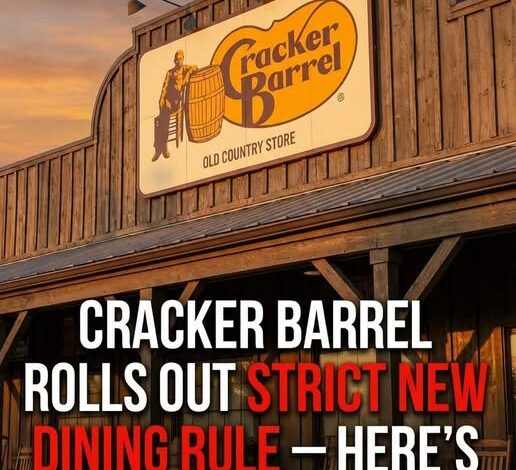
For generations, Cracker Barrel embodied a particular kind of American comfort. Its front-porch rocking chairs, country-store treasures, checkerboards, and steaming plates of homestyle food created an experience that felt familiar long before customers even sat down at a table. For many families, a visit was more than a meal—it was a tradition tied to road trips, holidays, and memories shared across decades.
That is why even small changes sparked such strong reactions.
As dining habits evolved and competition increased, Cracker Barrel faced a challenge familiar to many long-established brands: how to modernize without losing the identity that made customers love it in the first place. The company began updating certain aspects of its image, including logo refinements, refreshed interiors, and operational improvements designed to appeal to new generations of diners.
From a business perspective, the changes were practical.
Consumer expectations had shifted. Restaurants were investing in technology, convenience, updated layouts, and modern branding. Standing still carried its own risks. To remain competitive, Cracker Barrel needed to evolve.
Yet many longtime customers saw the updates differently.
To them, the changes felt less like modernization and more like the gradual disappearance of something familiar. The brand’s appeal had always been rooted in nostalgia and consistency. The rocking chairs, rustic décor, and country-store atmosphere were not simply design choices—they were part of an emotional connection built over many years.
As criticism grew, company leaders listened.
Rather than abandoning modernization entirely, Cracker Barrel adjusted its approach. Certain familiar design elements were preserved or restored, while less visible improvements continued behind the scenes. The goal became finding a balance between preserving tradition and adapting to changing customer expectations.
At the same time, the company faced a separate conversation regarding employee travel guidance and reimbursement practices.
Reports suggesting that employees were encouraged to dine at company locations while traveling raised questions about workplace expectations and corporate culture. Although the guidance was intended to support consistency and brand familiarity, some observers interpreted it as a requirement rather than a recommendation.
In response, company representatives clarified that the guidance was not a mandate. Efforts were made to improve transparency around reimbursement policies and employee expectations, helping ensure that staff understood the distinction between suggested practices and required actions.
The situation highlighted an important reality for modern businesses: customers are not the only stakeholders paying attention. Employees, investors, and the public increasingly expect clarity, accountability, and open communication.
For Cracker Barrel, both challenges pointed to the same underlying lesson.
Strong brands are built on trust.
Customers trust a brand to preserve the qualities that made it meaningful. Employees trust leadership to communicate clearly and act fairly. When either relationship feels threatened, even relatively small decisions can generate outsized reactions.
In many ways, Cracker Barrel’s experience reflects a broader challenge facing iconic companies everywhere. Businesses cannot remain frozen in time forever. Markets change. Technology evolves. Customer expectations shift. Adaptation is necessary for long-term survival.
But change carries risks when a brand’s identity is deeply connected to nostalgia and emotional attachment.
People often form relationships with brands in the same way they form attachments to places, traditions, and family rituals. Altering those experiences too quickly can feel personal, even when the underlying intention is positive.
The companies that succeed are often those that recognize this emotional reality.
They modernize thoughtfully.
They explain their decisions clearly.
They preserve what matters most while improving what needs to evolve.
Cracker Barrel’s recent journey demonstrates that progress and tradition do not have to be opposing forces. A company can update its operations, improve transparency, and remain competitive while still honoring the qualities that made it beloved in the first place.
In the end, the story is not simply about logos, restaurant décor, or reimbursement policies.
It is about the delicate balance between preserving trust and embracing change.
Because for iconic brands, success is not only measured by growth or profitability. It is measured by whether customers still recognize the feeling that brought them through the door in the first place.
And that feeling, once lost, can be far harder to restore than any logo, menu, or marketing campaign.