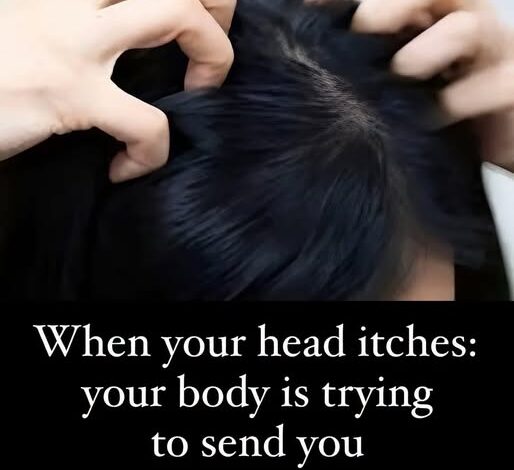
An itchy scalp is easy to dismiss as a minor annoyance, but persistent itching is often your body’s way of telling you that something deeper is affecting the skin. While occasional irritation can result from dry weather or product buildup, ongoing discomfort may point to an underlying condition that deserves attention rather than repeated scratching.
One of the most common causes is irritation from hair care products.
Hair dyes, bleaching agents, chemical straighteners, styling products, heavily fragranced shampoos, and even certain conditioners can trigger irritation or allergic reactions in sensitive individuals. The scalp may respond with itching, burning, redness, tenderness, or, in more severe cases, swelling and blistering. Sometimes these reactions develop immediately, while in other cases they appear only after repeated exposure over weeks or months.
Dandruff is another frequent culprit.
Although many people think dandruff is simply dry skin, it is often linked to seborrheic dermatitis, an inflammatory condition associated with excess oil production and an overgrowth of naturally occurring yeast on the scalp. This can lead to persistent itching accompanied by white or yellowish flakes, greasy scales, and areas of redness. The condition often comes and goes, becoming worse during periods of stress, seasonal changes, or hormonal fluctuations.
Psoriasis can produce similar discomfort but with different characteristics.
Instead of loose flakes, scalp psoriasis typically creates thick, well-defined patches covered with silvery scales. These plaques may extend beyond the hairline onto the forehead, neck, or behind the ears. Constant scratching can crack the skin, leading to bleeding, soreness, and an increased risk of infection.
Fungal infections also deserve consideration.
Certain fungal organisms can infect the scalp, particularly in children, although adults are not immune. These infections may cause intense itching, patches of hair loss, scaling, and inflammation. Because they require prescription antifungal treatment, proper diagnosis is important before beginning any home remedies.
Sometimes the cause is much simpler.
Head lice remain common among school-aged children but can affect people of any age. Their bites produce intense itching, particularly behind the ears and near the back of the neck. While lice can be frustrating and embarrassing, they are treatable with appropriate medications and careful cleaning of personal items.
Even environmental factors may play a role.
People with thinning hair or areas of exposed scalp can develop sunburn after prolonged sun exposure. A sunburned scalp often becomes tender, itchy, red, and later begins to peel as it heals. Wearing hats or using scalp-friendly sun protection can reduce this risk during outdoor activities.
Less obvious influences can also affect scalp comfort.
Emotional stress and anxiety do not directly create every scalp condition, but they can worsen many existing skin disorders. Stress hormones and inflammatory responses may increase sensitivity, intensify itching, and create a cycle in which scratching further damages the skin, leading to even greater discomfort.
Breaking that cycle often starts with gentle daily care.
Using mild, fragrance-free shampoos, washing with lukewarm rather than very hot water, and avoiding harsh scrubbing can help protect the scalp’s natural barrier. When itching occurs, gently massaging the scalp with your fingertips instead of scratching with your nails reduces the risk of cuts and secondary infection.
Some people also find soothing ingredients helpful.
Products containing aloe vera, chamomile, oatmeal, or other calming ingredients may temporarily reduce irritation for certain types of sensitive skin. However, even natural products can occasionally trigger allergic reactions, making it wise to perform a patch test before applying any new product to the entire scalp.
Choosing hair products carefully is equally important.
Introducing multiple new products at once can make it difficult to identify the source of irritation if symptoms develop. Trying one product at a time allows you to recognize potential sensitivities more easily and avoid repeated exposure to ingredients that may not agree with your skin.
Despite careful home care, some symptoms should never be ignored.
If scalp itching lasts longer than two weeks, becomes progressively worse, or is accompanied by severe redness, open sores, pus, extensive flaking, significant hair loss, swelling, or persistent pain, a dermatologist should evaluate the condition. Professional assessment can identify the underlying cause and determine whether prescription medications or additional testing are needed.
Seeking medical attention promptly is especially important when symptoms interfere with sleep, daily activities, or overall quality of life.
Ultimately, an itchy scalp is not a diagnosis but a symptom with many possible causes. From simple irritation to chronic inflammatory conditions or infections, the source of the problem determines the most effective treatment.
Listening to those early warning signs instead of masking them with repeated product changes or constant scratching can protect both the health of your scalp and the strength of your hair. With proper care, an accurate diagnosis when necessary, and a thoughtful approach to treatment, lasting relief is often well within reach—allowing you to feel comfortable, confident, and at ease in your own skin once again.