ATTENTION to These First Signs of Infection: Why Doctors Warn That Even a Small Cut or Insect Bite Needs Care…

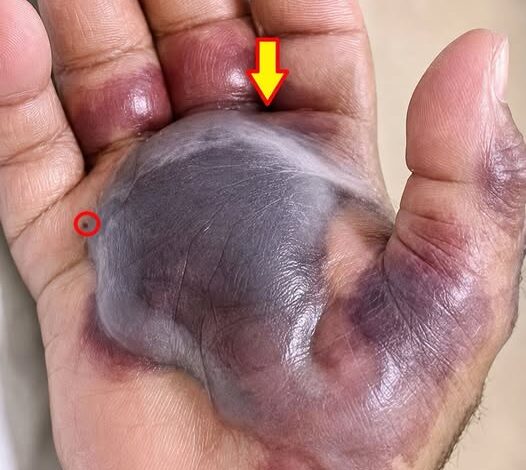
It started with something so small I almost ignored it.
A tiny thorn.
A barely noticeable scratch.
The kind of injury most people brush off without a second thought.
I pulled it out, rinsed the area quickly, and assumed it would heal on its own. After all, it was only a small break in the skin. Surely something so minor couldn’t become a serious problem.
But that’s exactly what makes these injuries easy to underestimate.
Our skin is one of the body’s most important defenses, creating a barrier that helps keep bacteria and other microorganisms out. Even a tiny puncture or cut creates an opening, giving germs an opportunity to enter. Most of the time, the immune system handles the situation without difficulty.
Occasionally, however, bacteria can gain the upper hand.
What begins as mild redness may gradually become an infection.
The warning signs often appear slowly.
The area becomes warmer to the touch.
The redness spreads beyond the original injury.
Pain increases instead of fading.
Swelling develops.
Pus may begin to drain from the wound.
In some cases, fever, chills, or a general feeling of illness can signal that the infection is becoming more serious.
One common skin infection is cellulitis, a bacterial infection that affects the deeper layers of the skin and the tissues beneath it. Without prompt treatment, cellulitis can spread rapidly and, in rare cases, allow bacteria to enter the bloodstream or cause other serious complications.
That doesn’t mean every thorn or paper cut is destined to become an emergency.
Far from it.
The overwhelming majority of minor cuts and scrapes heal without complications when they are cleaned and cared for properly.
The goal isn’t to become fearful.
It’s to become attentive.
Good wound care begins with simple steps.
Wash the injury gently with clean running water and mild soap to remove dirt and debris. If needed, apply a clean bandage to protect the area while it heals, changing the dressing whenever it becomes wet or dirty. Keeping the wound clean and monitoring it over the next several days gives you the best chance of noticing early signs that something isn’t progressing normally.
Pay attention if the redness continues spreading, the pain becomes more severe instead of improving, swelling increases, pus develops, or you develop a fever. Those symptoms deserve medical evaluation, especially if they worsen quickly or occur in someone with diabetes, a weakened immune system, poor circulation, or another condition that increases the risk of infection.
It’s also important to ensure your tetanus vaccination is up to date, particularly after puncture wounds or injuries caused by dirty objects. If you’re unsure about your vaccination status, a healthcare professional can advise whether a booster is recommended.
Perhaps the most valuable lesson isn’t about thorns at all.
It’s about listening when your body tells you something has changed.
Most small injuries remain exactly that—small.
But when healing takes an unexpected turn, paying attention early often leads to simpler treatment and a faster recovery.
You don’t need to inspect every scratch with anxiety.
You simply need to give your body the care and attention it deserves.
A tiny cut may seem insignificant, but your skin is the body’s first line of defense. Treat every break in that barrier with basic care, watch for signs that healing isn’t going as expected, and don’t hesitate to seek medical advice if something feels wrong. Most wounds heal without incident—but recognizing the few that don’t can make all the difference.