Can One Herb Really Destroy Parasites and Fight Urinary Tract Infections? Here’s What the Science Says

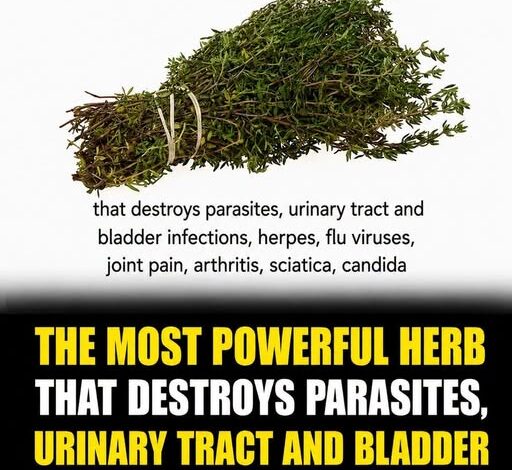
Natural remedies have attracted enormous attention in recent years, with countless online posts promising that common herbs can eliminate infections, destroy parasites, and replace conventional medicine.
The reality is more nuanced.
Many medicinal plants do contain biologically active compounds that scientists have studied for decades. Some demonstrate antimicrobial, antifungal, or anti-inflammatory activity in laboratory settings, making them valuable subjects for ongoing research. But promising laboratory findings are not the same as proven treatments for infections in people.
Understanding that distinction is essential.
Take oregano oil, for example.
Its primary active compounds, carvacrol and thymol, have shown antimicrobial properties in laboratory studies, where they can inhibit the growth of certain bacteria and fungi under controlled conditions. Researchers continue to investigate these compounds, but laboratory results alone do not establish that oregano oil can safely or effectively treat infections in humans.
Similarly, uva ursi contains arbutin, a compound that can be converted into substances with antibacterial activity in urine under certain conditions. Historically, the plant has been used in traditional medicine for urinary complaints, but modern medical guidelines generally do not recommend it as a standalone treatment for urinary tract infections because evidence for effectiveness remains limited and prolonged use may pose health risks.
Other herbal products and essential oils have also demonstrated antimicrobial activity in test tubes.
Tea tree oil.
Garlic extracts.
Clove oil.
Thyme.
Cinnamon.
Each contains natural compounds capable of affecting microorganisms in laboratory experiments.
Yet the human body is far more complex than a petri dish.
A substance that appears highly effective in the laboratory may never reach infected tissues in sufficient concentrations, may be rapidly broken down by the body, or may produce unwanted side effects before reaching therapeutic levels.
Natural does not automatically mean harmless.
Many concentrated herbal preparations can irritate the digestive system, affect liver or kidney function, trigger allergic reactions, or interact with prescription medications. Essential oils, in particular, are highly concentrated substances that should never be assumed safe simply because they originate from plants.
For example, some herbal supplements may interfere with blood thinners, diabetes medications, blood pressure treatments, or drugs processed by the liver. Others are unsuitable during pregnancy, breastfeeding, or for young children.
This is why healthcare professionals encourage discussing supplements with a qualified medical provider, especially for people managing chronic health conditions or taking prescription medications.
Perhaps the greatest concern arises when natural remedies replace appropriate medical evaluation.
A urinary tract infection may seem to improve temporarily while bacteria continue spreading toward the kidneys.
Persistent diarrhea thought to be caused by parasites may actually result from a completely different medical condition.
Abdominal pain attributed to a “natural detox” could signal an illness requiring prompt treatment.
Without proper diagnosis, valuable time can be lost.
That doesn’t mean herbs have no place in healthcare.
Many people use certain herbal products to complement conventional treatment or to help manage minor symptoms under professional guidance. Some may provide comfort, reduce inflammation, or contribute to overall well-being when used appropriately.
The key is understanding their role.
Supportive does not mean curative.
Complementary does not mean equivalent.
Evidence-based medicine and traditional herbal knowledge are not always in conflict. In many cases, researchers continue studying plant-derived compounds precisely because they may one day contribute to new medications. Numerous modern drugs have originated from plants, demonstrating that nature remains an important source of medical discovery.
But until strong clinical evidence establishes safety and effectiveness for specific conditions, caution remains essential.
When symptoms suggest an infection—such as persistent fever, painful urination, severe abdominal pain, bloody diarrhea, unexplained weight loss, or prolonged digestive problems—professional medical evaluation is the safest course of action. Appropriate testing can identify the underlying cause and guide treatment before complications develop.
Meanwhile, some of the most effective ways to reduce infection risk remain remarkably straightforward.
Practicing good hygiene.
Drinking safe, clean water.
Preparing food properly.
Maintaining good sanitation.
Eating a balanced diet.
Keeping vaccinations up to date where appropriate.
Seeking timely medical care when symptoms are concerning.
These measures may not attract the attention that miracle cures do, but they remain among the most powerful tools for protecting health.
Herbs and plant-based compounds continue to be valuable areas of scientific research, and some may offer meaningful benefits when used responsibly. Yet they work best as part of a thoughtful, evidence-informed approach to health—not as substitutes for accurate diagnosis or proven medical treatment.
In the end, the wisest approach isn’t choosing between nature and medicine.
It’s recognizing where each has its strengths.
Natural remedies may support health in certain situations, while modern diagnostics and evidence-based treatments provide the accuracy and reliability needed to identify serious illness and treat it effectively. Together, they can complement one another—but only when guided by sound evidence, realistic expectations, and a commitment to putting health before hype.