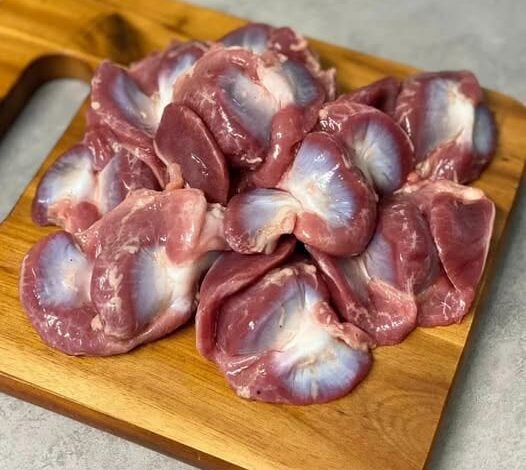
Chicken gizzards rarely earn a place on modern dinner tables.
For many people, they fall into the category of foods that seem unfamiliar, old-fashioned, or simply unappealing. Yet behind their unusual appearance lies one of the most nutritious—and often most affordable—cuts of poultry available.
What some dismiss as an organ meat is actually a remarkably lean, protein-rich food packed with essential vitamins and minerals that support everything from energy production to immune function.
The gizzard is part of a bird’s digestive system, often described as its muscular stomach. Unlike mammals, chickens do not chew their food. Instead, the gizzard contracts powerfully to grind food into smaller particles, sometimes with the help of tiny bits of grit that the bird naturally swallows.
Because this organ performs such demanding physical work, it is made up primarily of dense, hardworking muscle.
That muscle translates into excellent nutrition.
One of the biggest advantages of chicken gizzards is their high-quality protein content. Protein provides the building blocks your body needs to repair tissues, maintain muscle, produce enzymes and hormones, and support countless everyday functions.
Meals rich in protein also tend to promote a greater feeling of fullness, helping many people stay satisfied longer after eating.
Despite their impressive protein content, chicken gizzards are naturally low in fat compared with many other cuts of meat, making them an appealing option for those seeking nutrient-dense foods without excessive calories.
They also provide an excellent source of several essential minerals.
Iron plays a critical role in producing hemoglobin, the protein in red blood cells responsible for carrying oxygen throughout the body. Adequate iron intake helps support normal energy levels and reduces the risk of iron-deficiency anemia.
Zinc is another important nutrient found in gizzards. It contributes to healthy immune function, wound healing, DNA synthesis, and normal cell growth while supporting hundreds of biochemical processes throughout the body.
Chicken gizzards are also rich in B vitamins, particularly vitamin B12, which is found naturally in animal foods.
Vitamin B12 helps maintain healthy nerve cells, supports the formation of red blood cells, and plays an essential role in converting food into usable energy. Because B12 is difficult to obtain from plant-based foods alone, animal products like gizzards can be valuable sources for people who include meat in their diets.
In addition to B12, gizzards contain other B vitamins that help the body metabolize carbohydrates, fats, and proteins efficiently.
Perhaps one of their greatest advantages, however, has nothing to do with nutrition alone.
They are often remarkably affordable.
While premium cuts of meat continue to rise in price, chicken gizzards frequently remain one of the least expensive protein options available in many grocery stores and butcher shops. For families looking to stretch their food budget without sacrificing nutritional value, they can provide an excellent balance of quality, affordability, and versatility.
Many people hesitate to try gizzards because of their texture.
Fresh gizzards are naturally firm, which surprises anyone expecting the tenderness of chicken breast or thigh meat.
Fortunately, proper cooking transforms them completely.
A slow simmer over gentle heat allows the connective tissue to gradually soften, producing a tender, flavorful result. Pressure cookers can achieve similar tenderness in far less time, making them especially convenient for busy households.
Once cooked, gizzards become surprisingly versatile.
They can be sliced into stir-fries with colorful vegetables, added to hearty soups and stews, tossed into fresh salads for extra protein, or served over rice with sautéed onions and mushrooms.
Simple seasonings often work best.
Garlic, onions, black pepper, thyme, rosemary, parsley, paprika, and a touch of olive oil allow their naturally savory flavor to shine without overwhelming it.
Many traditional cuisines around the world have celebrated chicken gizzards for generations, preparing them in comforting family recipes that highlight both their flavor and nutritional value.
As with most foods, moderation remains important.
Because organ meats can contain higher amounts of cholesterol than some other cuts of poultry, people managing specific medical conditions—particularly those involving cholesterol or certain dietary restrictions—may wish to enjoy them as part of a balanced diet and consult a healthcare professional for individualized advice.
For most healthy individuals, however, chicken gizzards can be a nutritious addition to a varied eating pattern that includes vegetables, fruits, whole grains, and other sources of lean protein.
Sometimes the healthiest foods are not the ones that receive the most attention.
Chicken gizzards may never compete with popular cuts of meat in appearance, but they offer something many everyday foods cannot: an exceptional combination of high-quality protein, essential vitamins, important minerals, and affordability.
Giving this often-overlooked ingredient a place in your kitchen means discovering that good nutrition doesn’t always have to come with a high price tag.
With a little patience in preparation and a handful of simple seasonings, chicken gizzards can become a satisfying, flavorful meal that nourishes both your body and your budget—proving that some of the best foods are the ones hiding in plain sight.