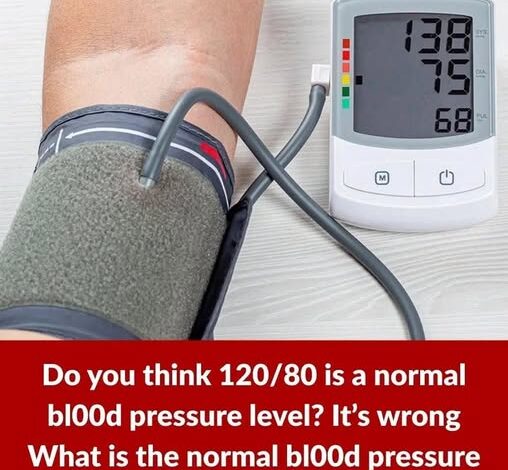
Blood pressure is often reduced to two numbers on a screen, but those numbers tell an important story about your cardiovascular health.
Every heartbeat pushes blood through your arteries, delivering oxygen and nutrients throughout your body. Blood pressure measures the force of that blood against the walls of your arteries. When the pressure remains consistently too high, your heart and blood vessels have to work harder than they should, increasing the risk of serious health problems over time.
One of the challenges with high blood pressure is that it usually causes no noticeable symptoms.
Many people feel perfectly well, even when their blood pressure is high enough to damage the heart, brain, kidneys, and blood vessels. That’s why hypertension is often called the “silent killer.”
As we grow older, changes in the cardiovascular system become more common.
Arteries naturally become less flexible with age, which can contribute to higher blood pressure. However, high blood pressure is not an inevitable or harmless part of aging. Healthy blood pressure remains an important goal throughout adulthood because controlling it can significantly reduce the risk of heart attack, stroke, heart failure, kidney disease, vision problems, and some forms of cognitive decline.
For most adults, healthcare organizations generally define:
- Normal blood pressure: Less than 120/80 mmHg
- Elevated blood pressure: Systolic 120–129 mmHg and diastolic less than 80 mmHg
- High blood pressure (hypertension): Consistently 130/80 mmHg or higher, based on repeated measurements and individual medical evaluation
Your healthcare provider may recommend different treatment goals depending on your age, overall health, and other medical conditions, so it’s important to discuss your personal target rather than relying on a single number.
Monitoring your blood pressure is one of the simplest ways to protect your health.
Regular checks at your doctor’s office, pharmacy, or with a validated home blood pressure monitor can identify changes long before symptoms develop. If you monitor your blood pressure at home, take readings at about the same time each day, after sitting quietly for several minutes, and follow your healthcare provider’s instructions for accurate measurement.
The encouraging news is that many people can improve their blood pressure through consistent lifestyle changes.
Regular physical activity helps strengthen the heart and improve circulation. Eating a diet rich in vegetables, fruits, whole grains, legumes, lean proteins, and healthy fats—such as the DASH or Mediterranean eating patterns—supports cardiovascular health. Reducing excess sodium, limiting alcohol, maintaining a healthy weight, avoiding tobacco, managing stress, and getting enough sleep can all contribute to healthier blood pressure.
For some people, lifestyle changes alone are not enough.
Blood pressure medications can be highly effective and, when taken as prescribed, substantially reduce the risk of serious complications. If your healthcare provider recommends medication, it should be viewed as one part of a comprehensive plan that also includes healthy daily habits.
Perhaps the most important lesson is this:
Blood pressure is not simply a number to check once a year.
It is an ongoing indicator of how well your cardiovascular system is functioning.
By paying attention today, scheduling regular checkups, and addressing elevated readings early, you give yourself the best opportunity to protect your heart, brain, kidneys, and overall well-being for years to come.
The choices you make each day may seem small on their own, but together they can have a profound effect on your future health. Looking after your blood pressure isn’t just about preventing disease—it’s about preserving the strength, independence, and quality of life that allow you to keep doing the things you love.