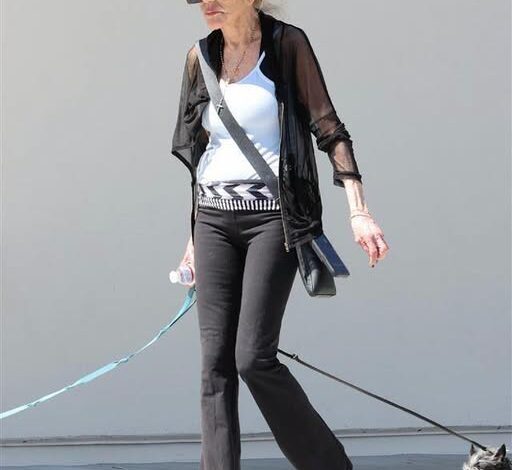
Dyan Cannon’s life has never fit neatly into the polished script of a classic Hollywood success story. Behind the glamorous premieres, celebrated performances, and magazine covers lies the story of a woman who spent decades navigating an industry that could celebrate its stars one moment and scrutinize them the next. Her journey has been marked not only by professional achievement but also by personal reinvention, resilience, and an unwavering determination to define herself on her own terms.
From the beginning of her career, Cannon possessed the qualities Hollywood admired. She was charismatic, quick-witted, talented, and effortlessly engaging on screen. Opportunities came, audiences embraced her, and she established herself as one of the recognizable faces of her generation. Yet the entertainment industry often came with expectations that reached far beyond acting ability. Appearance, youth, and public image were constantly evaluated, creating pressures that many performers quietly carried behind the scenes.
As her career grew, so did the demands placed upon her. Success often required balancing professional ambition with public expectations that could be impossible to satisfy. Like many actresses of her era, Cannon found herself working in an environment where every decision—from career choices to personal relationships—became part of the public conversation. Fame brought admiration, but it also invited relentless attention that rarely allowed room for privacy or mistakes.
Her marriage to legendary actor Cary Grant only intensified that spotlight.
To the outside world, they appeared to embody Hollywood elegance. Their relationship fascinated fans and fueled endless media coverage, creating the image of a glamorous couple living an enviable life. Behind closed doors, however, Cannon later described a far more complicated reality. Living alongside one of the world’s biggest stars came with expectations and pressures that gradually left her feeling as though she was losing sight of her own identity.
The challenge was not simply being married to a famous man.
It was trying to preserve her own voice while living inside a relationship that attracted constant public attention. As the years passed, she realized she could no longer ignore the growing distance between the life others imagined she was living and the one she actually experienced.
Choosing to leave was anything but easy.
Ending such a high-profile marriage meant facing public speculation, painful headlines, and the emotional uncertainty that follows any major life change. Divorce brought heartbreak, but it also marked the beginning of a new chapter—one in which Cannon would rebuild her life while embracing another role she valued deeply: motherhood.
As a single mother raising her daughter, Jennifer Grant, Cannon balanced family responsibilities with the demands of an acting career that remained firmly in the public eye. She continued working, taking on new projects while navigating the challenges of parenting under circumstances few people experience. The spotlight never completely dimmed, and neither did public curiosity about her personal life.
Even as decades passed, Hollywood’s fascination with appearance followed her.
Like countless actresses before and after her, Cannon experienced the harsh reality of growing older in an industry that often celebrates youth above all else. Magazine articles, online comments, and photographs frequently shifted attention away from her accomplishments, focusing instead on her changing appearance. Discussions that might have highlighted her decades-long career instead became centered on wrinkles, cosmetic speculation, or the natural effects of aging.
It is a pattern that many women in entertainment know well.
The same industry that once praised youthful beauty often struggles to grant aging actresses the same respect afforded to their male counterparts. Public conversations can become less about talent and more about appearance, reducing decades of professional achievement to superficial commentary.
Yet Cannon gradually found herself responding differently.
Rather than allowing outside opinions to define her, she embraced a quieter confidence shaped by years of experience. She spoke openly about the importance of gratitude, personal growth, and faith, emphasizing qualities that cannot be measured by photographs or public approval. The confidence she developed was no longer rooted in Hollywood recognition but in a deeper understanding of who she had become.
Her perspective on aging reflected that transformation.
Instead of viewing later life as something to resist, she approached it with acceptance and optimism. The joy she described no longer depended on maintaining the image that once appeared on movie posters or magazine covers. It came from relationships, spiritual growth, meaningful work, and the freedom to live without constantly seeking validation from others.
One phrase, in particular, captured that outlook beautifully.
Rather than introducing herself through past titles or famous relationships, Cannon has affectionately described herself as “a happy puppy.”
The words are striking in their simplicity.
They suggest someone who has rediscovered delight in everyday life after years spent navigating extraordinary circumstances. They reflect humility instead of celebrity, contentment instead of comparison, and gratitude instead of regret.
Looking back, Dyan Cannon’s story is not defined solely by awards, films, or famous romances. It is the story of a woman who repeatedly chose to move forward, even when doing so meant beginning again. She endured personal loss, public scrutiny, professional challenges, and the relentless expectations that often accompany fame, yet she continued to build a life that reflected her own values rather than the world’s assumptions.
Today, her legacy extends far beyond Hollywood glamour. It serves as a reminder that identity is not fixed by youth, relationships, or public opinion. It is shaped over time through resilience, self-discovery, and the courage to keep growing despite life’s inevitable changes. Cannon’s greatest transformation may not have happened on a movie set at all, but in the quiet confidence she found within herself—a confidence that allowed her to leave behind the labels others assigned her and embrace life with warmth, humor, and genuine peace.