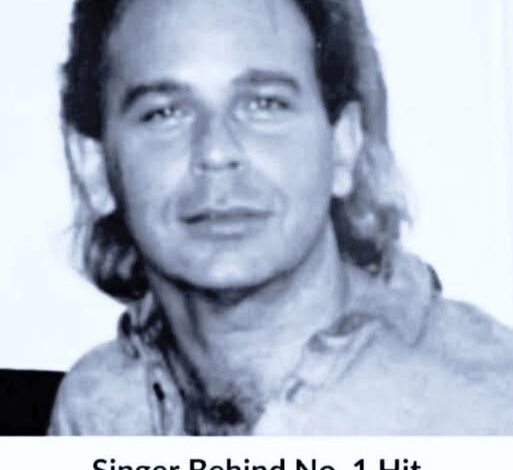
He arrived in the world as Lugee Alfredo Giovanni Sacco, a kid whose name sounded like an aria and whose voice could bend steel and teenage hearts. As Lou Christie, he turned radio dials into confessionals, his falsetto slicing through static like a flare in bad weather. With songwriter Twyla Herbert, he built songs like thunderstorms—slow darkening skies, then sudden, electric heartbreak. “Lightning Strikes” wasn’t just a hit; it was a rite of passage, the soundtrack for kids learning that love could thrill and wound in the same breath.
Away from the stage lights, the drama softened. He answered letters no one expected him to read, sent kindness into small towns that only knew him through cheap speakers and worn vinyl. His exit was quiet, almost too ordinary for a man who once sounded like the sky breaking open. Yet every time that impossible high note still rises from an old record, it feels less like nostalgia and more like proof: some departures are only physical, and some voices refuse to learn how to die.
Long before the world knew him as Lou Christie, before the screaming crowds and spinning jukeboxes and impossible falsettos drifting through transistor radios late at night, he was simply a boy from Pennsylvania with an unforgettable name and a voice nobody quite knew what to do with.
Lugee Alfredo Giovanni Sacco.
Even his birth name carried theatrical weight, as though destiny had already written music into the syllables. It sounded operatic, romantic, larger than ordinary American suburbia could comfortably contain. In another era, perhaps he would have become a traditional crooner or an opera singer. But Lou Christie arrived at precisely the moment popular music itself was changing shape.
The early 1960s crackled with transformation. Teenagers suddenly possessed cultural power of their own. Radios became lifelines connecting isolated bedrooms and small-town streets to emotions young people barely understood yet. Music no longer belonged only to polished adults in tuxedos. It belonged to heartbreak, rebellion, longing, confusion, and desire.
And Lou Christie’s voice sounded built exactly for that emotional chaos.
His falsetto did not simply soar—it ruptured songs open emotionally. There was urgency in it, vulnerability mixed with swagger, a sense that every note might either save someone or break them completely. Plenty of singers reached high notes technically. Christie made high notes feel dangerous.
That difference mattered.
When his songs exploded through radio speakers, teenagers heard something emotionally volatile and thrilling inside them. His voice could sound pleading one second and triumphant the next, like someone trying desperately to outrun heartbreak while simultaneously diving straight toward it.
Much of that emotional intensity emerged through his extraordinary partnership with songwriter Twyla Herbert.
On paper, the pairing almost sounded improbable. Herbert was older, eccentric, classically trained, deeply imaginative. Christie was young, ambitious, emotionally raw, and hungry for artistic identity. Together they created songs that felt stranger, darker, and more emotionally dramatic than much mainstream pop surrounding them at the time.
Their music did not unfold politely.
It surged.
Songs like “The Gypsy Cried,” “Rhapsody in the Rain,” and especially “Lightning Strikes” carried emotional weather inside them. Twyla Herbert understood theatrical structure instinctively. Lou Christie understood emotional release. Combined, they built songs that escalated like storms:
quiet longing,
growing tension,
then sudden explosion.
“Lightning Strikes” became the perfect example.
Even decades later, the song still sounds emotionally reckless in ways modern polished pop rarely dares anymore. Christie’s voice climbs higher and higher through guilt, temptation, desire, and self-destruction until the entire song feels almost electrically overloaded.
Teenagers heard themselves inside it.
Not literally perhaps, but emotionally.
Because adolescence often feels exactly like that:
too much feeling inside too small a body,
desire mixed with shame,
confidence collapsing suddenly into vulnerability.
“Lightning Strikes” did not merely entertain young listeners. It gave emotional shape to sensations many had never heard articulated musically before.
That is why certain songs survive generations.
Not because they remain trendy.
Because they capture emotional truths people continue recognizing inside themselves decades later.
And Lou Christie specialized in emotional intensity.
There was always something slightly unguarded about his performances, as though he sang directly from exposed nerves rather than carefully constructed image. Even his falsetto carried strain inside it sometimes—not weakness exactly, but effort. You could hear him reaching emotionally for notes as much as musically.
Audiences responded to that honesty instinctively.
Of course, fame transformed his life quickly.
The 1960s music industry moved at dizzying speed once radio embraced an artist. Suddenly there were television appearances, screaming fans, touring schedules, interviews, and the strange psychological disorientation of becoming recognizable to strangers before fully understanding yourself privately.
For many performers, especially young men, sudden fame becomes addictive because admiration fills emotional gaps temporarily. But fame also creates distance. People stop interacting with you normally. Every room changes once celebrity enters it. Trust becomes complicated. Identity becomes performance.
Lou Christie navigated that world with a curious combination of flamboyance and groundedness.
Onstage, he could sound larger than life entirely.
Offstage, people often described him as surprisingly accessible and kind.
That contrast stayed with fans for years.
Stories accumulated quietly over time:
letters answered personally,
unexpected phone calls to listeners,
small gestures nobody required him to make.
In tiny towns scattered across America, people remembered receiving kindness from Lou Christie long after chart success faded. That mattered because fame often teaches celebrities efficiency rather than intimacy. Fans become crowds instead of individuals.
But Christie seemed to understand something important about music itself:
songs enter private lives.
People did not simply listen casually to his records. They kissed to them. Broke up to them. Drove lonely roads with them humming through dashboard speakers after midnight. His music attached itself to first loves, heartbreaks, dances, cigarettes shared behind school buildings, impossible hopes, and moments teenagers believed nobody else could possibly understand them.
Artists rarely fully comprehend how deeply their work embeds itself into strangers’ emotional histories.
But Lou Christie appeared to appreciate that connection sincerely.
There was also something uniquely vulnerable about male falsetto during that era. Masculinity in the 1960s often demanded emotional restraint publicly. Yet Christie’s voice exploded upward with longing, panic, ecstasy, and heartbreak openly. He made emotional intensity masculine rather than embarrassing.
That influence mattered more than many people realized.
Young men listening secretly absorbed permission to feel deeply through songs like his. Desire sounded overwhelming. Regret sounded devastating. Love sounded destabilizing rather than controlled.
Music becomes emotional education sometimes.
And Christie’s songs educated listeners in emotional excess beautifully.
Of course, like many artists associated strongly with a particular era, public attention eventually shifted elsewhere. Musical tastes evolved. Rock hardened. Psychedelia arrived. New voices replaced older ones in the endless cycle entertainment industries depend upon.
But something fascinating happens with certain performers:
their cultural visibility fades somewhat,
yet their emotional impact deepens.
Lou Christie became one of those artists.
The people who loved his music never entirely let go of it because his songs remained tied to formative emotional memories. An old Lou Christie record spinning decades later could instantly collapse time for listeners:
suddenly they were seventeen again,
heartbroken again,
hopeful again,
driving somewhere under summer streetlights with impossible feelings too large for language.
That emotional transportation is a rare artistic achievement.
And Christie himself seemed increasingly comfortable occupying a quieter role over time—not chasing relevance desperately, not performing bitterness about changing culture, but continuing to appreciate the strange durability of connection music creates.
There was dignity in that acceptance.
Too many performers spend later years fighting aging itself emotionally, furious the spotlight moved elsewhere. Lou Christie appeared to understand that fame and meaning are not identical things.
A voice can matter profoundly long after celebrity fades.
His death felt strangely subdued considering how explosive his music once sounded. No giant public spectacle. No dramatic farewell tour mythology dominating headlines endlessly. Just the quiet passing of a man whose voice had once cracked open radios across America like lightning itself.
Maybe that quietness suited him more than people expected.
Because beneath the theatrical vocals and dramatic songs existed someone who seemed to value ordinary human connection deeply. Fans remembered kindness more than ego. Warmth more than arrogance. Presence more than celebrity distance.
And yet, even in death, the voice remains startlingly alive.
That is the eerie magic of recorded music.
Bodies disappear.
Voices do not.
Somewhere tonight, someone will hear “Lightning Strikes” unexpectedly for the first time. Maybe through an old playlist, maybe drifting from a diner jukebox, maybe through parents’ speakers while driving at night. They will hear that impossible falsetto rise suddenly into the air and feel something immediate and alive inside it despite decades separating them from the original moment.
That is not nostalgia alone.
It is continuity.
Proof that art sometimes escapes mortality more successfully than the people who create it.
Lou Christie’s records still pulse with youth because they captured youth emotionally rather than cosmetically. The longing inside them remains recognizable. The confusion remains recognizable. The hunger for love intense enough to feel dangerous remains recognizable.
Human beings keep changing generations.
Human emotions keep repeating themselves.
And somewhere between Twyla Herbert’s dramatic songwriting and Lou Christie’s extraordinary voice, those emotions became immortalized in grooves pressed into vinyl.
Perhaps that is why hearing him now still feels strangely intimate.
Not like visiting history safely behind museum glass.
More like overhearing an old confession still echoing through time.
A young man singing at the absolute edge of his emotional range.
A voice climbing impossibly high because ordinary speech could never fully contain what he wanted to say.
And every time that falsetto still cuts through static decades later, it reminds listeners of something quietly comforting:
some people leave the world physically,
but certain voices remain suspended inside it forever,
still rising,
still aching,
still refusing to disappear into silence no matter how much time passes around them.