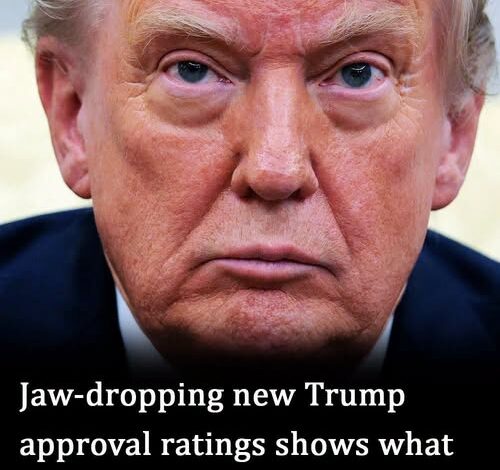
Beneath the campaign speeches, social media posts, and partisan debates, public opinion polls offer one snapshot of how some Americans currently view Donald Trump’s presidency. If a poll shows his approval rating at 37%, it reflects the opinions of respondents at that particular moment—not a permanent verdict, but an indication of changing public sentiment.
For many voters, economic concerns remain central to their assessment. Rising prices, affordability challenges, and uncertainty about the broader economy continue to influence how people judge presidential performance. Some respondents attribute those conditions to the administration’s policies, while others point to global economic factors or decisions made over multiple administrations. Regardless of the explanation, the economy remains one of the issues most likely to shape public opinion.
Questions about executive authority have also become a significant part of the national conversation. Critics argue that Trump has expanded presidential power in ways they believe challenge long-standing norms and constitutional traditions. Supporters, meanwhile, contend that he has exercised legitimate executive authority to pursue policies they elected him to implement. The debate reflects broader disagreements about the proper scope of presidential power rather than a settled public consensus.
Polling has likewise shown that many Americans remain concerned about issues such as democratic institutions, the rule of law, the nation’s international standing, and political polarization. At the same time, other voters continue to prioritize immigration, national security, taxation, or judicial appointments, illustrating how different groups weigh competing issues when evaluating a president’s performance.
As future elections approach, voters will ultimately decide which concerns matter most to them. Public opinion can shift in response to economic conditions, major events, policy outcomes, campaign messaging, and the performance of all candidates involved. Polls provide useful information about current attitudes, but they are not predictions of election results.
Whatever the numbers show today, they underscore an enduring reality of democratic politics: public trust is shaped over time through leadership, policy decisions, and the experiences of voters themselves. Whether confidence grows or declines, it is continually tested—and ultimately measured not only in opinion surveys, but at the ballot box.