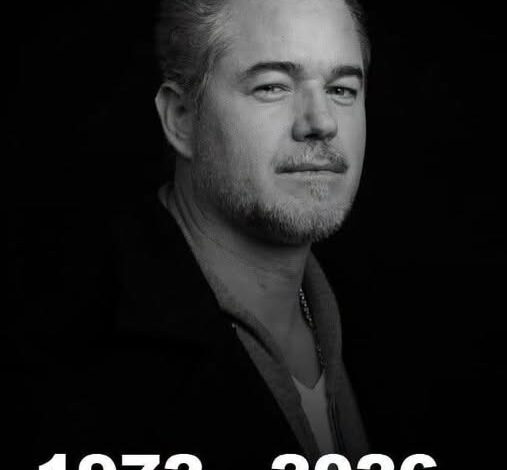
Eric Dane’s career has never been defined by a single role, even if millions first came to know him as Dr. Mark “McSteamy” Sloan. Long before becoming one of television’s most recognizable faces, he built his reputation through steady work, gradually developing the confidence and versatility that would allow him to move effortlessly between romance, drama, action, and deeply emotional character studies.
When Grey’s Anatomy introduced Mark Sloan, Dane brought far more than effortless charm to the screen. What could have remained a one-dimensional heartthrob evolved into a character marked by loyalty, regret, humor, and surprising emotional depth. Audiences watched Sloan mature from a charismatic outsider into one of the series’ most beloved figures, proving that genuine vulnerability often leaves a longer-lasting impression than confidence alone.
Rather than allowing that success to define his future, Dane deliberately sought new challenges.
In The Last Ship, he stepped into the role of Captain Tom Chandler, exchanging playful wit for quiet authority. The performance demanded a different kind of strength—one grounded in responsibility, sacrifice, and the burden of leadership during extraordinary circumstances. Instead of relying on the qualities that had made him famous, he demonstrated a broader range, portraying a leader whose greatest asset was not bravado but steady resolve.
Years later, Euphoria offered yet another transformation.
As Cal Jacobs, Dane delivered one of the most complex performances of his career. The character was deeply flawed, often unsettling, and emotionally conflicted, forcing viewers to confront uncomfortable questions about identity, repression, shame, and the consequences of living behind carefully constructed masks. Rather than seeking sympathy for the character, Dane portrayed him with honesty, allowing audiences to wrestle with both his humanity and his failings.
His willingness to embrace difficult roles reflected a career built on evolution rather than repetition.
That commitment to honesty extended beyond acting.
When Dane publicly revealed that he had been diagnosed with amyotrophic lateral sclerosis (ALS), he spoke with remarkable openness about a condition that profoundly changes the lives of those affected. His announcement was met with widespread support from colleagues, friends, and fans, many of whom praised not only his courage but also his willingness to help bring greater public awareness to a disease that remains incurable.
By sharing his diagnosis, Dane contributed to a broader conversation about living with serious illness.
Public figures often feel pressure to project strength through silence. Instead, he chose transparency, reminding audiences that vulnerability is not the opposite of resilience. Speaking honestly about uncertainty, fear, and hope can itself become an act of strength—one that helps others facing similar challenges feel less alone.
Throughout his career, those who have worked alongside him have consistently described him as dedicated, prepared, and deeply professional. Whether leading a cast or supporting an ensemble, he has earned respect not simply through talent but through the consistency with which he approaches his work.
For audiences, his legacy reaches beyond memorable characters.
It lives in performances that explored complicated human emotions without easy answers.
It lives in a career defined by growth rather than comfort.
And it lives in the grace with which he has faced one of life’s most difficult challenges.
While awards, ratings, and iconic roles may define an actor’s public success, the qualities people remember most are often quieter: authenticity, resilience, generosity, and the willingness to meet hardship without surrendering dignity.
Eric Dane’s story continues to reflect those qualities.
His performances remain part of television history, but so does the example he has set beyond the screen—showing that courage is not measured by appearing invincible, but by facing life’s greatest challenges with honesty, compassion, and unwavering humanity.