Researchers have discovered that a short sauna session does far more than help you relax. One surprising response inside the body has captured scientists’ attention

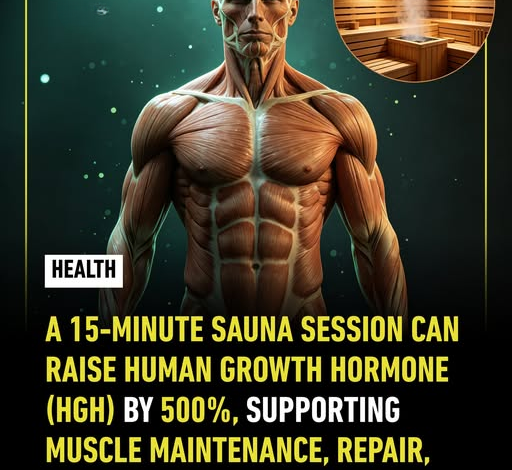
For centuries, people have stepped into saunas seeking relaxation, stress relief, and a welcome escape from the demands of daily life. Across many cultures, the practice has been valued for its calming effects, helping both the body and mind unwind after a long day. Today, however, researchers are discovering that the benefits of sauna bathing may extend well beyond simple relaxation. Scientific studies continue to explore how controlled heat exposure affects the body, revealing a variety of fascinating physiological responses that may support overall health and recovery.
One of the most intriguing discoveries involves human growth hormone, often referred to as HGH. This naturally occurring hormone is produced by the pituitary gland and plays an important role throughout life. It helps support muscle maintenance, tissue repair, metabolism, bone health, and countless other biological processes that contribute to overall well-being.
Researchers have found that short sauna sessions can temporarily increase the body’s production of human growth hormone as part of its normal response to heat stress. In some studies conducted under specific conditions, these temporary increases have been substantial, with hormone levels rising several times above baseline. While individual responses vary depending on factors such as sauna temperature, duration, overall health, and fitness level, the findings have generated considerable interest among scientists studying recovery and healthy aging.
The reason behind this response lies in the body’s remarkable ability to adapt.
When exposed to controlled heat, the body works hard to maintain a safe internal temperature. Heart rate increases, blood vessels widen, sweating begins, and numerous hormones are released to help regulate these changes. Rather than viewing heat as harmful in these carefully controlled settings, the body treats it as a manageable challenge, activating protective mechanisms that support adaptation and recovery.
Human growth hormone is one of the many substances involved in this process.
Although the temporary rise in HGH from sauna use should not be confused with medical treatments or hormone therapy, it may contribute to several beneficial physiological effects when combined with an overall healthy lifestyle.
One area where researchers see potential benefits is muscle maintenance and repair. Physical activity naturally places stress on muscles, creating microscopic damage that must be repaired to become stronger. Growth hormone participates in tissue repair by supporting protein synthesis and the regeneration of damaged cells. While exercise remains the primary driver of muscle development, sauna sessions may complement the recovery process by supporting the body’s natural repair mechanisms.
Another area receiving increasing attention is metabolism. Growth hormone helps regulate the way the body uses stored fat as an energy source. Combined with the increased heart rate and elevated circulation that occur during sauna exposure, this temporary hormonal response may support healthy metabolic function. However, it’s important to understand that sauna sessions alone are not a substitute for regular exercise or healthy eating, nor should they be viewed as a stand-alone weight-loss solution.
Improved circulation is perhaps one of the most immediate effects people experience inside a sauna.
As body temperature rises, blood vessels expand through a process known as vasodilation. This allows blood to flow more freely throughout the body, delivering oxygen and nutrients to muscles, skin, and other tissues. Better circulation supports normal cardiovascular function and may contribute to the feeling of relaxation many people notice after leaving the sauna.
This increased blood flow may also help explain why athletes and physically active individuals often include sauna bathing as part of their recovery routines. Following strenuous exercise, muscles require oxygen, nutrients, and efficient removal of metabolic waste products. Improved circulation may assist these natural recovery processes while helping reduce feelings of stiffness after intense workouts.
Inflammation is another area of growing scientific interest.
Short-term inflammation is a normal response that helps the body heal after injury or exercise. Problems arise when low-grade inflammation persists over long periods, potentially contributing to numerous chronic health conditions. Emerging research suggests that regular sauna use may help influence inflammatory markers in the body, although scientists continue investigating exactly how these effects occur. Combined with exercise, adequate sleep, and a nutritious diet, sauna bathing may become another useful tool for supporting long-term health.
Many people also report sleeping better after a sauna session. As the body gradually cools following heat exposure, it naturally transitions into a more relaxed state. This cooling process, combined with reduced muscle tension and lower stress levels, may help promote restful sleep in some individuals. Since quality sleep is one of the body’s most important recovery mechanisms, this indirect benefit may be just as valuable as the physiological changes occurring during the sauna itself.
Despite these promising findings, moderation remains essential.
Longer sessions are not necessarily better. Spending excessive time in extremely hot environments increases the risk of dehydration, overheating, dizziness, and heat-related illness. For many healthy adults, sessions lasting around 15 minutes provide sufficient heat exposure while minimizing unnecessary risk, although ideal duration varies depending on temperature, individual tolerance, and medical history.
Hydration is equally important. Sweating is the body’s primary cooling mechanism, but it also leads to significant fluid loss. Drinking water before and after sauna use helps replace lost fluids and supports normal circulation, temperature regulation, and recovery. Individuals engaging in frequent or prolonged sauna sessions may also need to replenish electrolytes, particularly after heavy sweating.
Certain people should take additional precautions. Individuals with heart disease, uncontrolled high or low blood pressure, recent cardiovascular events, or other significant medical conditions should consult their healthcare provider before beginning regular sauna use. Pregnant individuals and anyone feeling unwell should also seek appropriate medical guidance to determine whether sauna bathing is safe for them.
It’s equally important to remember that no single habit creates optimal health. The greatest benefits occur when sauna use complements other healthy lifestyle choices rather than replacing them. Regular exercise, balanced nutrition, adequate protein intake, sufficient sleep, stress management, and avoiding tobacco all work together to support healthy aging, cardiovascular function, and overall wellness.
The growing body of research surrounding sauna bathing highlights just how adaptable the human body truly is. A brief period of controlled heat exposure triggers a cascade of responses designed to protect, repair, and strengthen the body. Temporary increases in human growth hormone, improved circulation, support for muscle recovery, healthy inflammatory responses, and enhanced relaxation all demonstrate that a sauna offers much more than simple comfort.
While it isn’t a miracle treatment or a shortcut to better health, regular sauna use—performed safely, in moderation, and alongside healthy daily habits—may become a valuable addition to a long-term wellness routine. Sometimes, fifteen quiet minutes in the heat can do far more for the body than most people ever imagined.