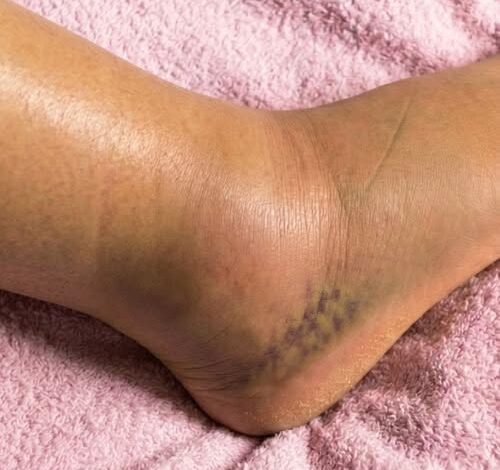
Many people dismiss swollen legs as a minor inconvenience—a sign of a long day, hot weather, or simply getting older. While temporary swelling is often harmless, it can also be your body’s way of signaling that something more significant is happening beneath the surface. When fluid begins collecting in your feet, ankles, or calves, it’s worth paying attention, especially if the swelling is new, persistent, or becoming more severe.
Swelling, medically known as edema, occurs when excess fluid leaks from blood vessels and becomes trapped in surrounding tissues.
In some cases, the explanation is simple.
Spending hours sitting at a desk, standing on your feet, or traveling on a long flight can slow circulation, allowing fluid to pool in the lower legs. Hot weather may also cause blood vessels to widen, making it easier for fluid to accumulate. Eating foods high in sodium can encourage the body to retain water, leading to puffiness that often improves after movement, hydration, and a good night’s rest.
However, swelling that continues returning—or doesn’t improve—deserves closer attention.
One common cause is chronic venous insufficiency, a condition in which the veins in the legs struggle to return blood efficiently to the heart. Tiny valves inside the veins can weaken over time, allowing blood to pool in the lower legs. This increased pressure pushes fluid into nearby tissues, causing swelling that often worsens throughout the day and improves after elevating the legs.
Varicose veins frequently accompany this condition, although swelling can occur even without obvious enlarged veins.
Heart health can also play an important role.
When the heart isn’t pumping blood as effectively as it should, fluid may gradually build up in the body, particularly in the legs and ankles. Swelling related to heart failure often develops alongside other symptoms such as shortness of breath, unusual fatigue, or difficulty lying flat without becoming breathless.
The kidneys are another vital part of the body’s fluid balance.
Healthy kidneys continuously filter excess water and waste products from the bloodstream. When kidney function becomes impaired, the body may struggle to eliminate fluid efficiently, leading to swelling in the legs, ankles, feet, and sometimes even the face or hands.
Liver disease can produce similar effects.
Because the liver helps regulate proteins that keep fluid inside blood vessels, certain liver conditions may allow fluid to leak into surrounding tissues, contributing to swelling in the legs or abdomen.
Certain medications can also be responsible.
Some blood pressure medicines, steroid medications, hormone therapies, and anti-inflammatory drugs may cause fluid retention as a side effect. If swelling develops after starting a new medication, it’s important to discuss it with your healthcare provider rather than stopping the medication on your own.
Although swelling often develops gradually, some situations require prompt medical evaluation.
If one leg suddenly becomes much larger than the other—particularly when accompanied by pain, warmth, redness, or tenderness—it could indicate a deep vein thrombosis (DVT), a blood clot that requires urgent medical attention. A clot can sometimes travel to the lungs, becoming a pulmonary embolism, which is a life-threatening emergency.
Likewise, swelling accompanied by chest pain, severe shortness of breath, fainting, or coughing up blood should never be ignored. These symptoms require immediate emergency care.
Even when symptoms are less dramatic, persistent swelling deserves investigation.
If your legs remain swollen for several days, continue swelling repeatedly, or seem noticeably different from what you’ve experienced before, arranging a medical evaluation is a sensible step. Identifying the cause early often allows treatment to begin before more serious complications develop.
In the meantime, several simple habits may help reduce mild swelling caused by everyday factors.
Elevating your legs above the level of your heart for short periods can encourage fluid to return toward the upper body. Walking regularly, stretching after long periods of sitting, limiting excessive sodium intake, staying physically active, and maintaining a healthy weight all support healthy circulation.
For some people, healthcare providers may also recommend properly fitted compression stockings to improve blood flow and reduce fluid buildup.
The most important step, however, is paying attention.
Your body often sends subtle signals before serious illness becomes obvious. Swollen legs are not always dangerous, but they should never be dismissed automatically as “just getting older” or “just tired feet.”
They may represent a temporary response to lifestyle factors.
Or they may be the earliest clue to a condition involving your veins, heart, kidneys, liver, or circulation that deserves timely care.
Listening to those signals could make all the difference.
Seeking medical advice when swelling is persistent, unexplained, or accompanied by concerning symptoms gives you the best opportunity to identify underlying problems early and receive appropriate treatment. In many cases, addressing the cause sooner rather than later can protect not only your legs, but also your overall health and quality of life for years to come.