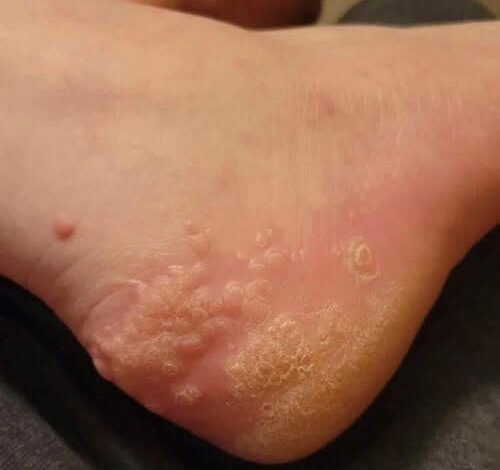
Corns and calluses may seem like minor annoyances, but they are actually your skin’s way of sending an important message: something is repeatedly rubbing, pressing, or irritating your feet. These thickened patches develop as a natural defense mechanism, protecting deeper tissues from constant friction. While that protection is helpful at first, the buildup can eventually become painful, making every step uncomfortable.
One surprisingly common cause is wearing shoes that don’t truly fit your feet—even if they seem comfortable at first.
Second-hand shoes can be particularly problematic.
Every pair of shoes gradually adapts to the unique shape of its owner’s feet. The cushioning compresses unevenly, the insoles mold to specific pressure points, and the material stretches according to that person’s walking pattern. When someone else wears those shoes, their feet are forced to adapt to a shape that was never designed for them.
That mismatch creates pressure in all the wrong places.
A seam may rub against the side of your toe.
The arch support may no longer line up with your own arch.
The heel may shift slightly with each step, creating repeated friction.
Over time, your skin responds by producing extra layers of hardened tissue in an effort to protect itself.
Calluses usually appear as broad areas of thick, yellowish skin on the heels, balls of the feet, or sides of the toes. They are generally not painful at first, although they can become uncomfortable if they grow too thick.
Corns, on the other hand, are smaller and more concentrated.
They often develop on or between the toes and frequently contain a hard central core. Every step presses that core deeper into the surrounding tissue, creating the sensation of walking on a tiny pebble or sharp stone. Left untreated, corns can become increasingly painful and interfere with normal walking.
Although corns and calluses are common, they should never be ignored if they continue to worsen.
Persistent pressure can cause cracks in the skin, allowing bacteria to enter and increasing the risk of infection. This is especially important for people with diabetes, poor circulation, or nerve damage in the feet, who should avoid treating foot problems on their own and instead seek professional care promptly.
Fortunately, many cases can be prevented with a few simple changes.
The first step is identifying and removing the source of the pressure.
If a particular pair of shoes consistently leaves your feet sore, causes rubbing, or creates new areas of thickened skin, it may be time to replace them. When shopping for footwear, look for shoes with a roomy toe box, adequate cushioning, and arch support that matches the natural shape of your feet rather than forcing them into an unnatural position.
Proper fit is more important than fashion.
Your toes should have enough room to move freely without rubbing against the front or sides of the shoe. Shoes that are too tight, too loose, or excessively worn can all contribute to friction and pressure.
Regular foot care also helps keep the skin healthy.
Soaking your feet in warm water for several minutes can soften thickened skin, making it easier to gently reduce buildup with a pumice stone or foot file. This should always be done carefully without removing too much skin, as excessive filing can lead to irritation or injury.
Keeping the feet moisturized is equally important.
Creams containing urea are particularly effective because they help soften hardened skin while improving hydration. Applying moisturizer regularly can reduce cracking and make the skin more flexible.
Protective pads, toe sleeves, or gel cushions may also help by reducing friction in areas that experience repeated pressure.
For some people, over-the-counter products containing salicylic acid can gradually soften corns and calluses. However, these products should be used cautiously and are generally not recommended for individuals with diabetes, poor circulation, or certain nerve conditions unless advised by a healthcare professional.
Most importantly, pay attention to warning signs.
If a corn or callus becomes increasingly painful, develops redness, swelling, warmth, drainage, or bleeding, or if walking becomes difficult, it’s time to seek medical evaluation. A podiatrist can determine whether the thickened skin is truly a corn or callus or whether another condition requires treatment. They can also safely remove painful tissue and identify underlying problems with foot structure or walking mechanics.
Your feet support you every single day.
They absorb thousands of steps, carry your body weight, and adapt to every surface you walk across. Giving them properly fitted footwear and routine care isn’t just about comfort—it’s an investment in your mobility and long-term health.
Sometimes the simplest change, such as replacing an old or second-hand pair of shoes with footwear designed specifically for your own feet, can make the difference between constant discomfort and pain-free movement.
Your feet spend a lifetime carrying you. They deserve shoes that were made to support your journey—not someone else’s.