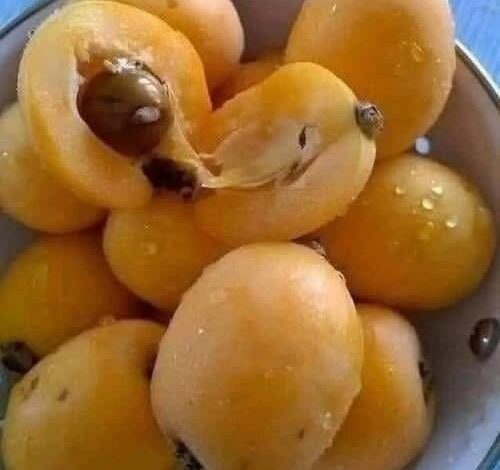
In an age of hurried mornings, packaged convenience, and meals eaten on the run, making homemade jam feels like slowing time itself.
It begins with fruit that many people might overlook.
A basket of strawberries that have softened slightly. Peaches ripening faster than expected. Blueberries that need to be used before they lose their freshness. Instead of seeing waste, you see possibility.
With a little patience, those nearly forgotten fruits become the foundation of something extraordinary.
The process isn’t rushed.
Each piece is washed carefully, trimmed where needed, and cut into smaller pieces before meeting sugar and, depending on the recipe, a splash of lemon juice or pectin. As the mixture warms, the fruit slowly breaks down, releasing its juices and filling the kitchen with an aroma that no store-bought air freshener could ever imitate.
The transformation feels almost magical.
Bright berries deepen into rich ruby reds.
Golden peaches become silky and fragrant.
The bubbling mixture gradually thickens with every gentle stir until it reaches the perfect consistency.
Unlike mass-produced preserves, homemade jam allows every batch to reflect your own taste.
Some people prefer the timeless comfort of classic strawberry or raspberry.
Others enjoy experimenting with combinations that surprise the palate—peach with fresh ginger, blueberry paired with lavender, blackberry brightened by citrus, or apricot accented with vanilla.
You decide how sweet it should be.
You decide how smooth or chunky the texture will become.
Every jar carries a little of its maker’s personality.
Making jam also teaches patience.
Preparing the jars requires just as much care as preparing the fruit itself. Properly cleaning and sterilizing jars helps ensure they are ready for filling, while careful attention during the cooking process allows foam to be skimmed away and the finished preserves to remain beautifully clear.
Once the hot jam is poured into the jars and sealed, another small moment of anticipation begins.
As the jars cool, many home canners listen for the quiet, unmistakable pop of each lid sealing properly.
It’s a tiny sound.
Yet for anyone who has made preserves, it often feels like the final reward for hours of careful work—a reassuring signal that everything has come together successfully.
Not every batch is intended for long-term storage.
Some recipes use less sugar or rely on refrigeration instead of traditional canning methods. These jams often have a shorter shelf life and should be stored in the refrigerator or freezer according to safe food-preservation guidelines.
Rather than seeing that as a disadvantage, many people view it as part of the charm.
Fresh ingredients sometimes ask to be enjoyed sooner, rewarding you with vibrant flavor that reflects the season in which the fruit was picked.
And once the jars are ready, their possibilities extend far beyond breakfast.
A spoonful stirred into plain yogurt instantly adds sweetness and fruit flavor.
A layer spread between cake layers creates a simple but elegant dessert.
A dollop served alongside cheese balances rich, savory flavors.
Some cooks even brush fruit preserves over roasted meats or vegetables to create a glossy glaze with just the right hint of sweetness.
Of course, homemade jam still shines on warm toast, fresh biscuits, croissants, or homemade bread.
But it rarely stays confined to the breakfast table for long.
Perhaps the greatest joy comes when you give a jar away.
Tied with a ribbon, labeled by hand, or simply passed to a friend with a smile, homemade jam becomes more than food.
It becomes a gift of time.
Every jar represents fruit carefully chosen, recipes thoughtfully prepared, and hours spent stirring, tasting, and waiting. It’s something no factory can fully replicate because its value isn’t measured only by the ingredients inside.
It’s measured by the care that went into making it.
When someone receives a jar of homemade jam, they’re receiving far more than preserves.
They’re receiving a piece of someone’s afternoon.
Someone’s attention.
Someone’s generosity.
In a world where so many things are produced quickly and forgotten just as fast, that kind of gift feels increasingly rare.
Homemade jam reminds us that simple traditions still have extraordinary power.
They rescue food that might otherwise go to waste.
They celebrate the changing seasons.
They fill kitchens with warmth, conversation, and unforgettable aromas.
And they turn ordinary fruit into something that continues bringing joy long after harvest has ended.
In the end, a jar of homemade jam isn’t just something to spread on toast.
It’s a small celebration of patience, creativity, and care—a reminder that some of life’s sweetest moments are the ones we take the time to make ourselves.
And every time you twist open a jar you filled by hand, you’re reminded that the richest ingredients were never just fruit and sugar.
They were the moments of love and intention sealed inside with every lid.