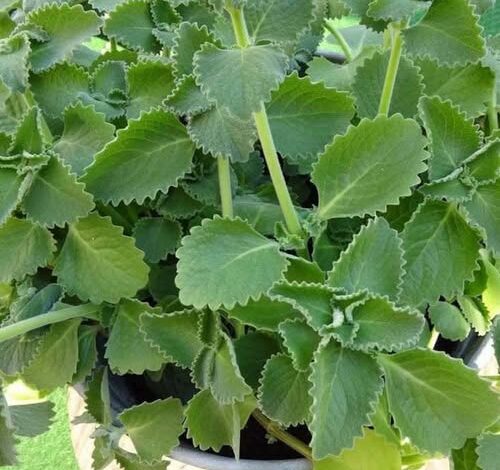
Most people think of oregano as nothing more than a pizza topping.
It’s the familiar herb sprinkled over pasta sauces, mixed into marinades, and added to countless Mediterranean dishes for its bold, earthy flavor. Few people give it a second thought. It sits quietly in spice racks around the world, overshadowed by trendier superfoods and expensive supplements that promise extraordinary health benefits.
But oregano has a story that goes far beyond the kitchen.
For centuries, cultures across Europe, Asia, and the Middle East valued this aromatic herb not only for its taste but also for its role in traditional wellness practices. Today, modern researchers continue exploring the compounds that made oregano such a respected plant throughout history, uncovering evidence that suggests this humble herb may offer far more than flavor alone.
While oregano is not a miracle cure and should never replace professional medical treatment, its unique combination of plant compounds has earned the attention of scientists around the world.
The secret lies within its natural chemistry.
Oregano belongs to the mint family, known scientifically as the Lamiaceae family. Hidden inside its leaves are powerful plant compounds, particularly carvacrol and thymol, which contribute to its distinctive aroma and many of its researched health-supporting properties.
These naturally occurring substances have demonstrated antioxidant, antimicrobial, and anti-inflammatory activity in laboratory studies, making oregano one of the most extensively studied culinary herbs.
One of oregano’s most impressive qualities is its antioxidant content.
Every day, the body encounters unstable molecules known as free radicals. These molecules can contribute to oxidative stress, a process associated with aging and various chronic health conditions. Antioxidants help neutralize free radicals, reducing their potential impact on cells and tissues.
Oregano contains a rich supply of antioxidant compounds that help support the body’s natural defense systems.
In fact, researchers have found that many herbs and spices—including oregano—contain surprisingly high concentrations of antioxidant substances when compared by weight. While people typically consume herbs in smaller amounts than fruits and vegetables, these compounds still contribute to an overall antioxidant-rich diet.
Think of oregano as a small ingredient with an outsized nutritional presence.
Its benefits may also extend to supporting the body’s natural defenses against harmful microbes.
Laboratory studies have shown that compounds found in oregano can inhibit the growth of certain bacteria under controlled conditions. Carvacrol, in particular, has attracted attention for its ability to interact with bacterial cell membranes and disrupt their normal function.
Researchers have explored oregano’s effects on various microorganisms, including some commonly associated with foodborne illness.
While these findings are promising, it is important to remember that laboratory results do not always translate directly into clinical treatments for humans. More research is needed to determine exactly how these properties may be applied in real-world healthcare settings.
Still, the potential has generated considerable scientific interest.
Another area attracting attention is inflammation.
Inflammation is a natural part of the body’s defense system. In the short term, it helps fight infection and repair injury. Problems arise when inflammation becomes chronic and persists for long periods.
Researchers have linked chronic inflammation to a variety of health concerns, including cardiovascular disease, metabolic disorders, and certain autoimmune conditions.
Studies suggest that compounds in oregano may help influence inflammatory pathways within the body. By supporting normal inflammatory balance, oregano may contribute to overall wellness as part of a healthy diet and lifestyle.
Again, the key is perspective.
No herb can eliminate chronic disease on its own.
However, nutrient-rich foods and herbs can play a supportive role within a broader approach to health.
Oregano has also attracted attention for its potential antiviral properties.
Laboratory research has examined how oregano compounds interact with certain viruses, producing intriguing early findings. Scientists continue studying whether these effects might eventually have practical applications, although much of the current evidence remains preliminary.
For now, oregano’s role is best viewed as part of a nutritious diet rather than a substitute for established medical care.
Perhaps one of the most exciting areas of investigation involves cancer research.
Scientists have studied oregano extracts in laboratory environments to better understand how certain compounds affect cancer cells. Some early experiments have shown that oregano-derived substances may influence cellular processes related to growth, survival, and oxidative stress.
However, these studies are largely limited to test tubes and animal models.
It is far too early to draw conclusions about oregano as a cancer treatment in humans.
Nevertheless, the research highlights the remarkable biological complexity hidden inside a plant most people use simply to season dinner.
The potential benefits of oregano extend into everyday wellness as well.
Some studies suggest that oregano compounds may support cardiovascular health by helping maintain healthy oxidative balance and supporting normal blood vessel function. Others have explored its role in digestive comfort, where traditional use has long associated oregano with easing occasional bloating and digestive discomfort.
Its aromatic oils have also made it a popular ingredient in herbal preparations designed to promote respiratory comfort.
For generations, people have turned to oregano-infused teas, steam treatments, and herbal blends during periods of seasonal congestion.
While scientific evidence continues to evolve, these traditional uses remain deeply rooted in many cultures.
One reason oregano is so appealing is how easy it is to incorporate into daily life.
Fresh oregano adds brightness to salads, vegetables, and grilled dishes.
Dried oregano brings depth and warmth to soups, sauces, and roasted foods.
Herbal teas and infused oils offer additional ways to enjoy its distinctive character.
Unlike many wellness trends that require expensive products or complicated routines, oregano is accessible, affordable, and familiar.
That simplicity may be part of its greatest appeal.
In a world constantly searching for the next miracle supplement, oregano serves as a reminder that some of the most fascinating plants have been sitting in our kitchens all along.
Of course, balance remains important.
While oregano is generally safe when used in culinary amounts, concentrated oils and supplements should be approached carefully. As with any herbal product, individuals who are pregnant, taking medications, or managing health conditions should consult a healthcare professional before using concentrated preparations.
Nature offers powerful tools, but responsible use always matters.
Ultimately, oregano’s true value lies not in exaggerated promises or miracle claims.
Its value lies in the remarkable combination of flavor, tradition, and scientific interest packed into a single herb.
It enhances meals.
It contributes beneficial plant compounds.
It connects modern nutrition with centuries of traditional knowledge.
And perhaps most impressively, it accomplishes all of this while sitting quietly in a small jar on a kitchen shelf.
The next time you reach for oregano, remember that you’re adding more than flavor to your food.
You’re using one of nature’s most studied and surprisingly versatile herbs—proof that sometimes the most extraordinary ingredients are the ones we overlook every day.