Fame often freezes people in time.
An actor becomes forever associated with one hairstyle, one decade, one unforgettable role, while the far more complicated human being behind the image slowly disappears beneath nostalgia.
For James Spader, that image was unmistakable:
sharp cheekbones,
cold blue eyes,
perfect feathered hair,
and the dangerous confidence of an ‘80s movie villain who looked too charming to trust.
To audiences growing up during that era, he seemed born for Hollywood — polished, magnetic, impossibly cool.
But the truth was stranger and far more interesting.

James Spader | Source: Getty Images
Long before he became one of television’s most celebrated actors, James Spader was sleeping through yoga classes he was supposed to be teaching, shoveling horse manure in Manhattan stables, and drifting through New York trying to survive while chasing a career that offered no guarantees.
And perhaps that contradiction explains why his performances always felt different from everyone else’s.
Spader never behaved like a man entirely comfortable inside his own image.
That discomfort became the secret engine of his career.
He was born on February 7, 1960, in Boston, Massachusetts, into a deeply academic household. His parents, Jean and Stoddard Greenwood Spader, both worked as teachers, and much of his childhood unfolded inside elite prep school environments built around discipline, expectation, and intellectual achievement.
He lived in faculty housing at Brooks School while his father taught English there, later attending the prestigious Phillips Academy in Andover.
From the outside, his path looked predetermined:
elite schools,
strong academics,
eventually some respectable professional future.
But certain people begin resisting expectation very young.
Spader discovered theater and realized something dangerous:
he cared more about performance than structure.
School stopped feeling urgent once acting entered his life.

The actor is seen on the set of “Blacklist” on February 16, 2023 in New York | Source: Getty Images
And that decision — leaving school during eleventh grade at only seventeen years old — quietly reshaped everything that followed.
People romanticize youthful ambition afterward when success arrives.
But in real time, dropping out to become an actor usually looks reckless, frightening, and impractical.
Especially in families rooted in education and stability.
Spader moved to New York carrying more hope than certainty, and like most aspiring actors, he quickly discovered that dreams rarely pay rent immediately.
So he worked.
Odd jobs.
Temporary jobs.
Humiliating jobs.

The actor is seen on the set of “Blacklist” on February 16, 2023 in New York | Source: Getty Images
He bussed tables.
Shoveled horse manure at Manhattan’s Claremont Stables.
Taught yoga classes despite openly admitting later that he mostly slept through them himself because the rooms were dark and overheated.
That detail feels wonderfully revealing because it captures the strange humor that would later define so much of his public personality:
dry,
self-aware,
slightly detached from conventional seriousness.
Even then, Spader already understood he occupied an unusual position inside Hollywood aesthetics.
He looked like a leading man.
But internally, he was drawn toward something far messier.
“I didn’t really look like a character actor, yet those were the roles I loved to play,” he later explained.
That sentence reveals the central tension of his entire career.
Hollywood likes clarity.
Heroes should look heroic.
Villains should look dangerous.
Romantic leads should project warmth and accessibility.
Spader complicated all of that immediately.
He was handsome enough to become a teen idol, yet emotionally drawn toward morally unsettling people:
voyeurs,
manipulators,
eccentrics,
arrogant rich boys,
men carrying hidden darkness beneath polished surfaces.
So Hollywood did what it often does with beautiful actors who radiate something psychologically off-center:
it turned him into a villain.
And Spader turned out to be extraordinarily good at it.

The actor is seen on the set of “Blacklist” on February 16, 2023 in New York | Source: Getty Images
One of his earliest notable film appearances came in “Endless Love,” where he played Brooke Shields’ brother. But the roles that truly embedded him into 1980s pop culture carried a very specific energy:
wealthy,
cold,
smug,
dangerously charming.
In “Less Than Zero,” his cocaine dealer Rip felt predatory and magnetic simultaneously.
Then came “Pretty in Pink.”
Steff — rich, sneering, casually cruel — became one of the defining antagonists of the Brat Pack era.
The performance worked because Spader understood something many actors miss:
real arrogance rarely looks loud.
Steff moved through scenes with lazy confidence, designer suits, cigarettes dangling effortlessly, as though rules existed mostly for other people.
Ironically, his audition frightened the casting director because he embodied the character so convincingly she struggled separating actor from role afterward.
That phenomenon followed Spader for years.
When actors repeatedly play emotionally manipulative or unsettling people well enough, audiences sometimes begin assuming those traits reflect the actor personally.
But off-screen, Spader seemed less dangerous than peculiar.
Private.
Meticulous.
Intensely specific.
Friends and interviewers described him as someone who noticed everything:
how objects were arranged,
where cigarettes were discarded,
which routines remained uninterrupted.

The actor is seen on the set of “Blacklist” on February 16, 2023 in New York | Source: Getty Images
And eventually Spader himself admitted the truth:
he struggled deeply with obsessive-compulsive tendencies.
“I’m obsessive-compulsive,” he explained bluntly. “I have very, very strong obsessive-compulsive issues.”
That honesty reframes much of his public persona afterward.
Because suddenly the precision in his performances,
the controlled vocal rhythms,
the carefully measured gestures,
the hyper-detailed character work —
all begin looking less accidental and more deeply connected to how his mind naturally functions.
Spader described routines becoming “entrenched,” explaining how ritual shaped his daily life profoundly.
Psychologically, that insight matters because many performers channel private anxieties into extraordinary artistic control. The same obsessive attention that complicates ordinary life can produce astonishing detail onscreen.
Spader himself acknowledged that contradiction:
“Things don’t slip by.”
And perhaps nothing ever really did.
That attentiveness became especially powerful once his career moved beyond handsome villains into emotionally layered adult roles.
The true turning point arrived with “Sex, Lies, and Videotape.”
His performance as Graham — quiet, voyeuristic, emotionally fractured — transformed him from stylish ‘80s antagonist into serious dramatic actor almost overnight.
The role earned him Best Actor at Cannes and expanded Hollywood’s understanding of what he could do.
Importantly, Graham wasn’t charismatic in a traditional sense.
He was uncomfortable.
Intimate in unsettling ways.
Damaged.
Spader excelled because he never seemed afraid of making audiences uneasy.
Many actors desperately protect likability.
Spader leaned toward complexity instead.
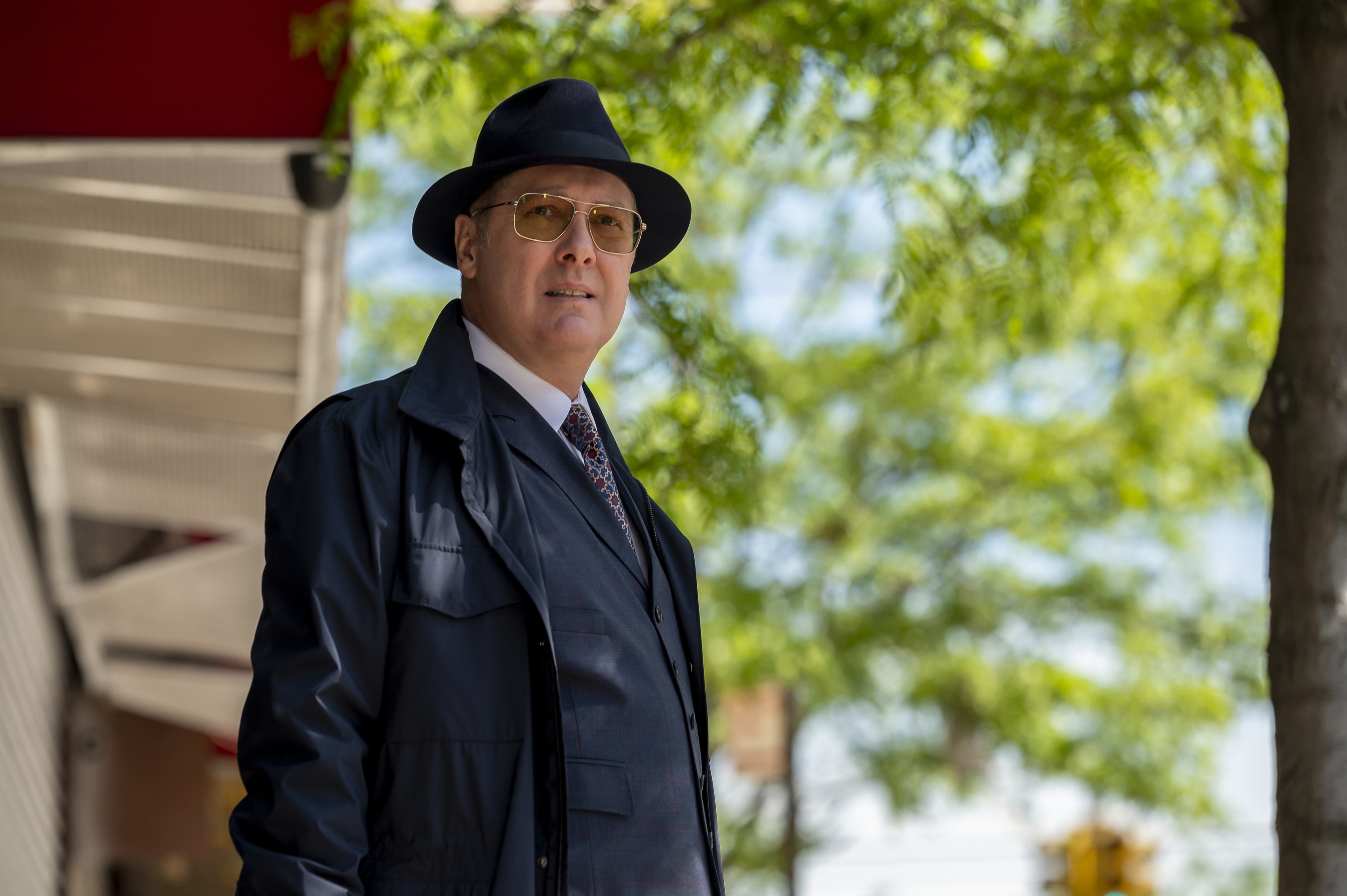
The actor on “Blacklist” on May 7, 2021 | Source: Getty Images
That willingness only deepened as he aged.
While many actors struggle entering middle age in Hollywood, Spader’s career arguably improved because maturity allowed him to fully inhabit the eccentricity that always existed underneath his appearance.
Then came Alan Shore.
Television transformed him completely.
On “The Practice” and later “Boston Legal,” Spader delivered one of the most beloved performances of his career:
brilliant,
morally slippery,
emotionally vulnerable,
funny,
lonely,
eccentric.
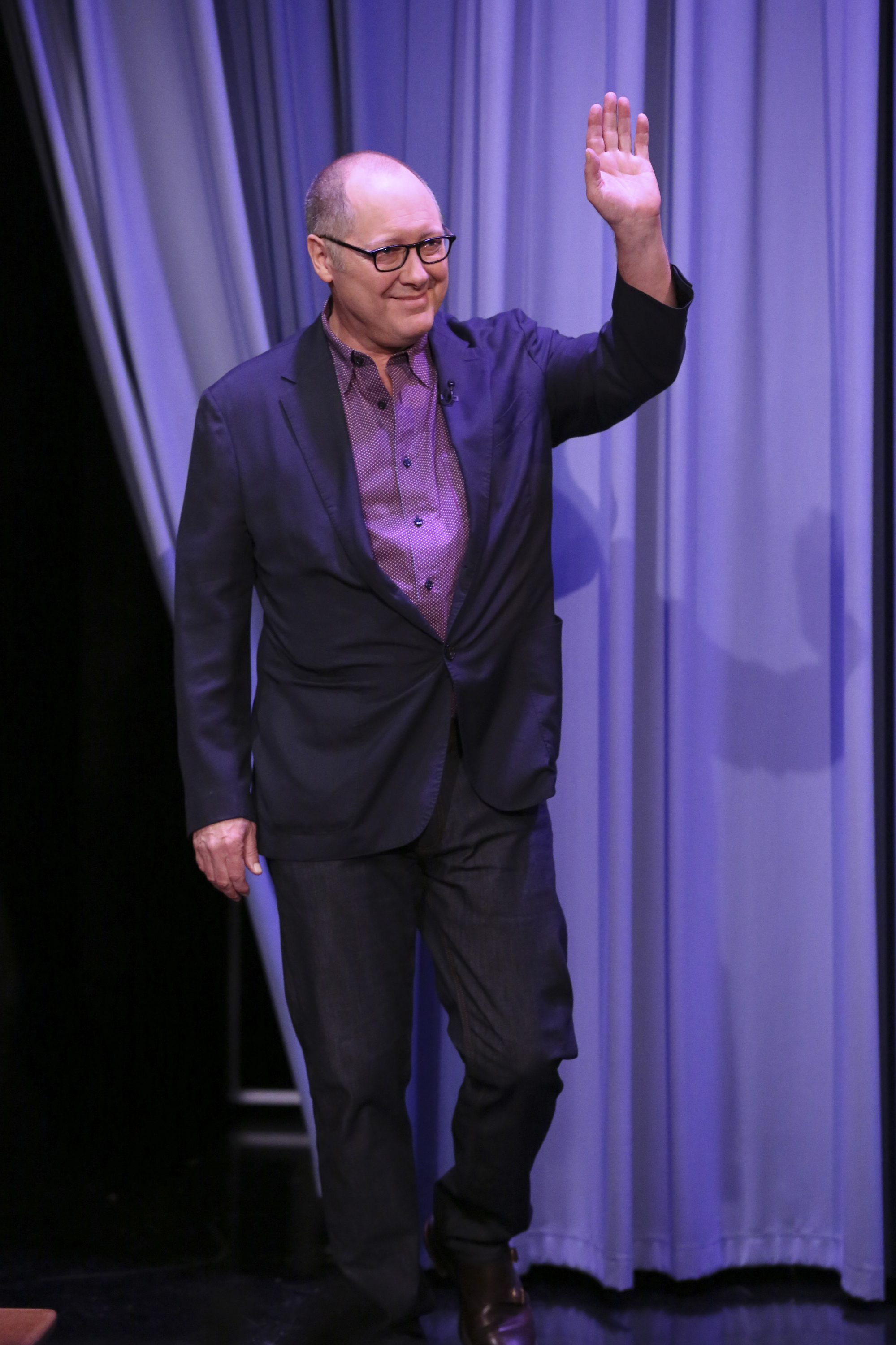
The actor on “The Tonight Show Starring Jimmy Fallon” on April 30, 2021 | Source: Getty Images
Alan Shore worked because Spader finally found a role allowing every contradictory quality to coexist openly:
arrogance and tenderness,
manipulation and empathy,
comedy and sadness.
Audiences loved him for it.
The role earned him three Primetime Emmy Awards between 2004 and 2008, along with a Golden Globe and multiple Screen Actors Guild nominations.
More importantly, it proved something essential:
Spader was never truly meant to be a conventional leading man.
He was built for complicated people.
That complexity followed naturally into Raymond “Red” Reddington on “The Blacklist.”
Red felt like the culmination of decades of carefully refined Spader energy:
elegant,
dangerous,
strange,
charismatic enough that audiences rooted for him despite never fully trusting him.
Again, the contradictions mattered most.
Spader never played characters as simple heroes or villains.
He played people hiding layers beneath performance.
Which, perhaps, mirrors his own relationship with fame.
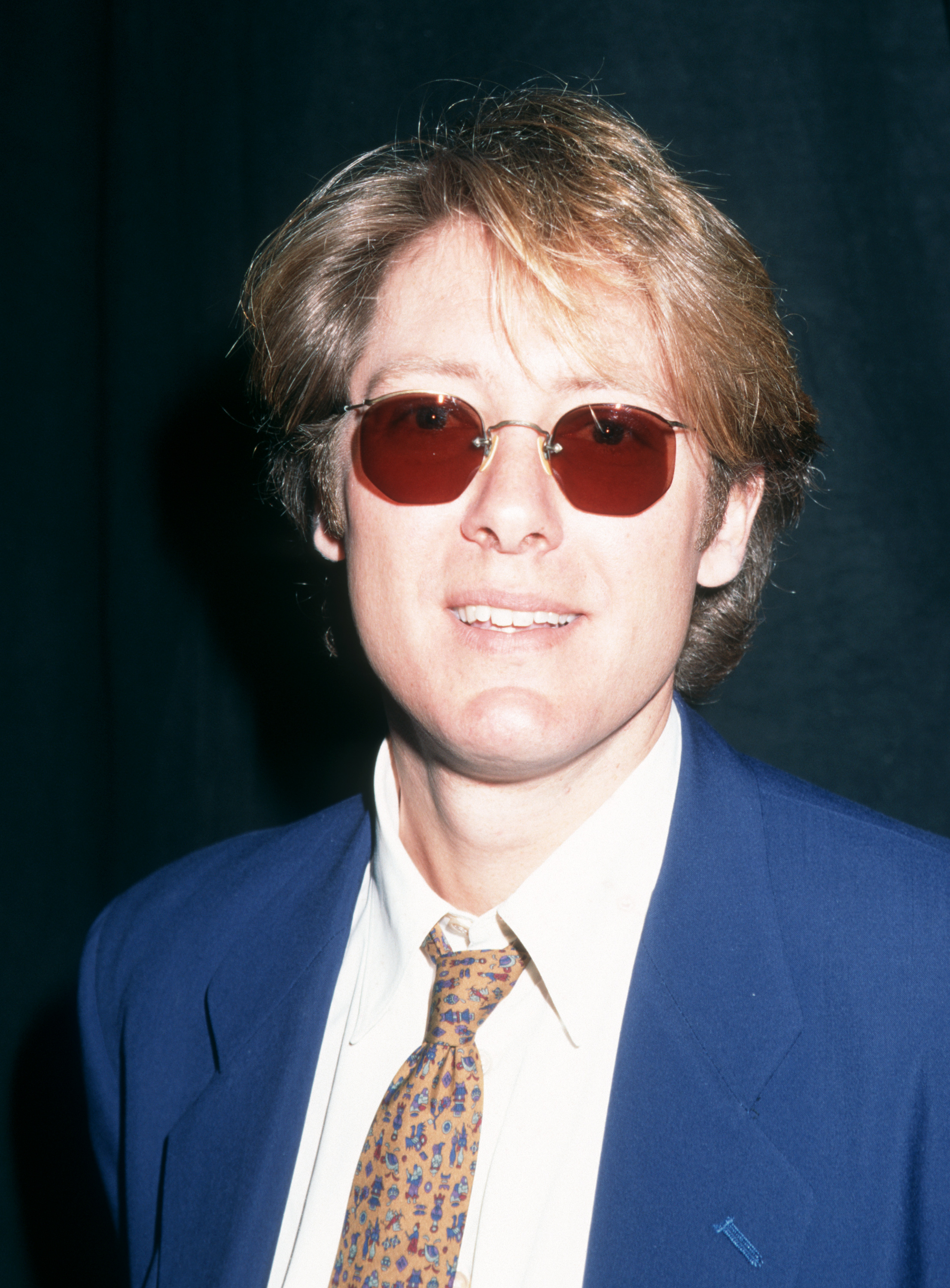
The actor attends National Association of Theater Owners Convention on March 8, 1996 at Bally’s Hotel and Casino in Las Vegas, Nevada | Source: Getty Images
Away from Hollywood, Spader built a notably private life in New York’s Greenwich Village with longtime partner Leslie Stefanson. Together they raised their son Nathanael, while Spader also remained father to two older sons from his previous marriage.
Even his comments about fatherhood carried his odd mix of humor and practicality:
“I believe in negative population growth.”
That line sounds detached initially, but underneath it sits something characteristic of Spader’s personality:
a tendency to approach even deeply personal subjects sideways through wit.
Over the years, fans continued celebrating not only his performances, but the iconic visual identity attached to them.
The hair especially became immortalized.
Social media users still describe young James Spader as “the ultimate ‘80s icon,” praising the “perfect feathered hair” and impossible coolness he brought to the era.
And honestly, they aren’t wrong.
There was something visually unforgettable about him in those films:
sharp suits,
lean posture,
that detached stare suggesting both boredom and danger simultaneously.
But nostalgia sometimes flattens people into aesthetics.
The more fascinating truth about James Spader is that he spent his entire career resisting simplification.
Even while becoming a pop culture symbol, he remained deeply eccentric underneath:
obsessive about routine,
socially unconventional,
drawn toward psychologically difficult characters,
more interested in detail than celebrity.
He once joked about gaining twenty-five pounds filming “Boston Legal” because the role required so little movement it resembled office work more than acting.
Again, classic Spader:
self-deprecating,
dry,
uninterested in protecting glamorous illusion.
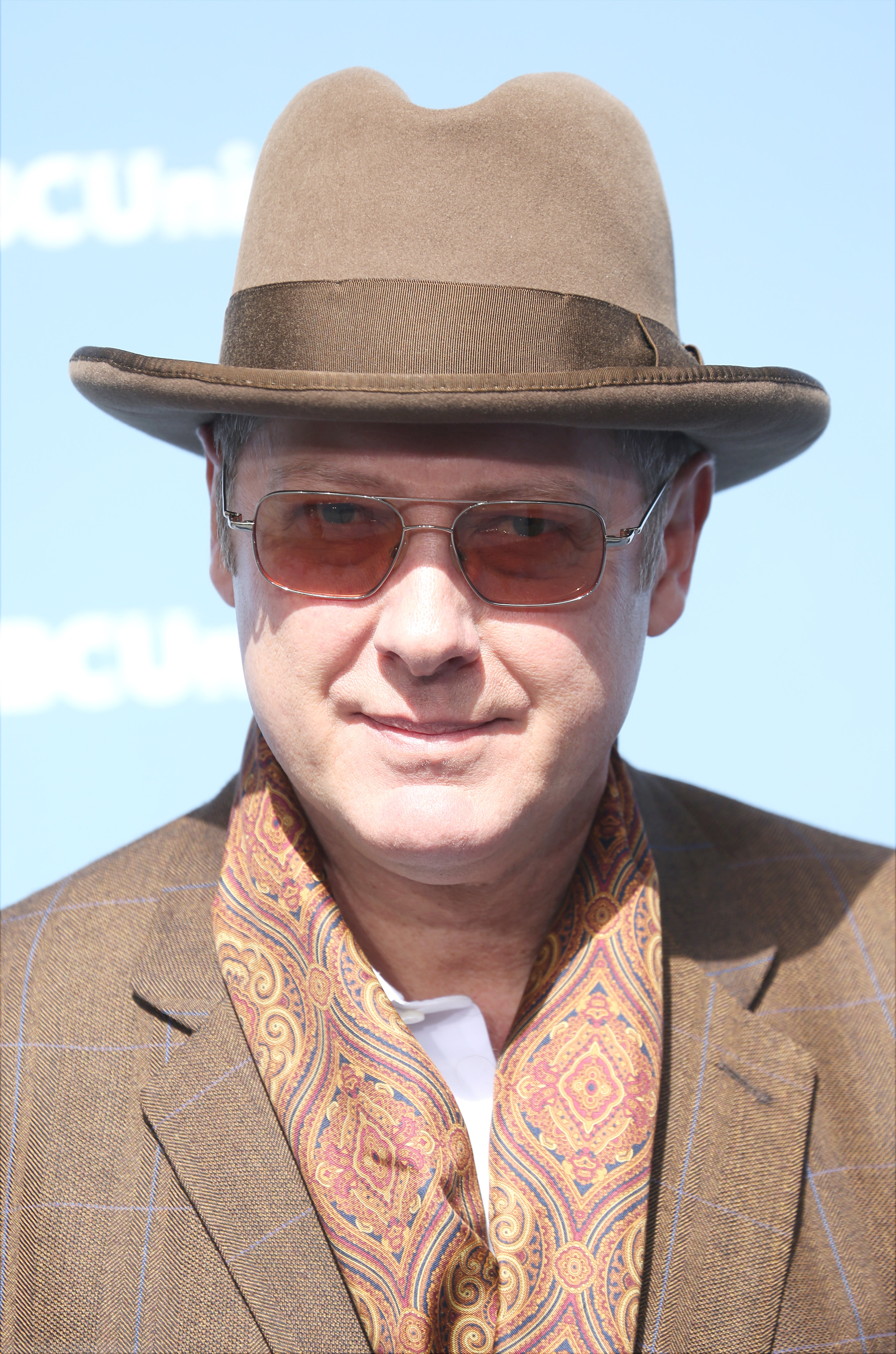
The actor attends the NBC UNIVERSAL Upfront presentation at Radio City Music Hall on May 16, 2016 in New York City | Source: Getty Images
And maybe that is why audiences remained fascinated by him for decades.
Not because he looked perfect.
Because he always seemed slightly unknowable.
Even in fame, even in interviews, even while delivering career-defining performances, there remained something subtly off-center about James Spader — as though part of him never fully stepped into Hollywood at all.
Perhaps that began years earlier when a prep-school teenager abandoned certainty for New York apartments, odd jobs, and unstable dreams.

The actor during the ABC Summer Press Tour All-Star Party at The Abby in West Hollywood, California on July 27, 2005 | Source: Getty Images
Or perhaps it was always there:
the strange, meticulous outsider trapped inside the face of an ‘80s heartthrob.
Either way, that tension became unforgettable.
And decades later, long after the feathered hair first became iconic, it is still that same unsettling combination — elegance, intelligence, danger, vulnerability, and eccentric precision — that keeps James Spader impossible to look away from.
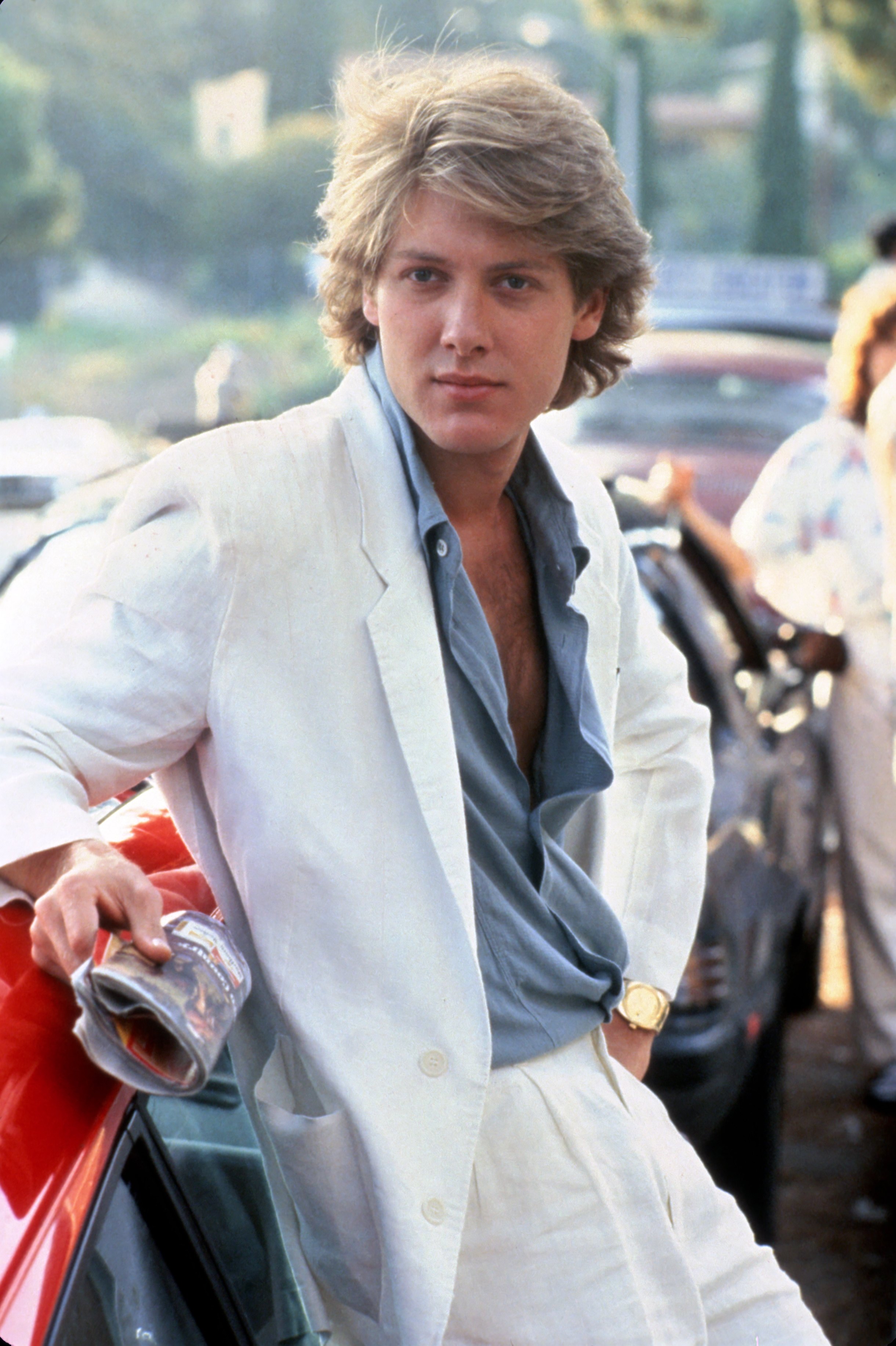
James Spader in “Pretty in Pink” in 1986 | Source: Getty Images
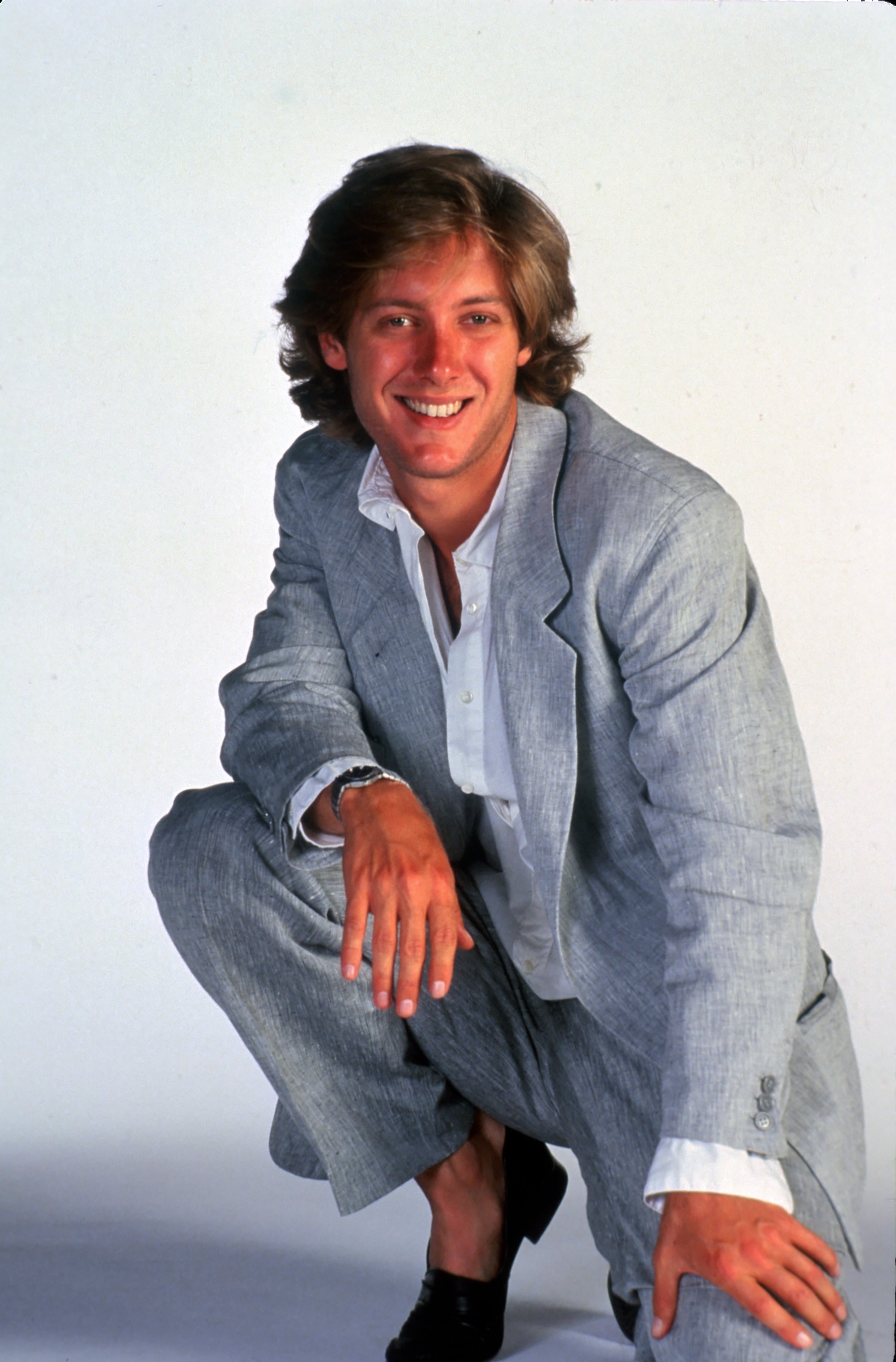
James Spader in “Pretty in Pink” in 1986 | Source: Getty Images
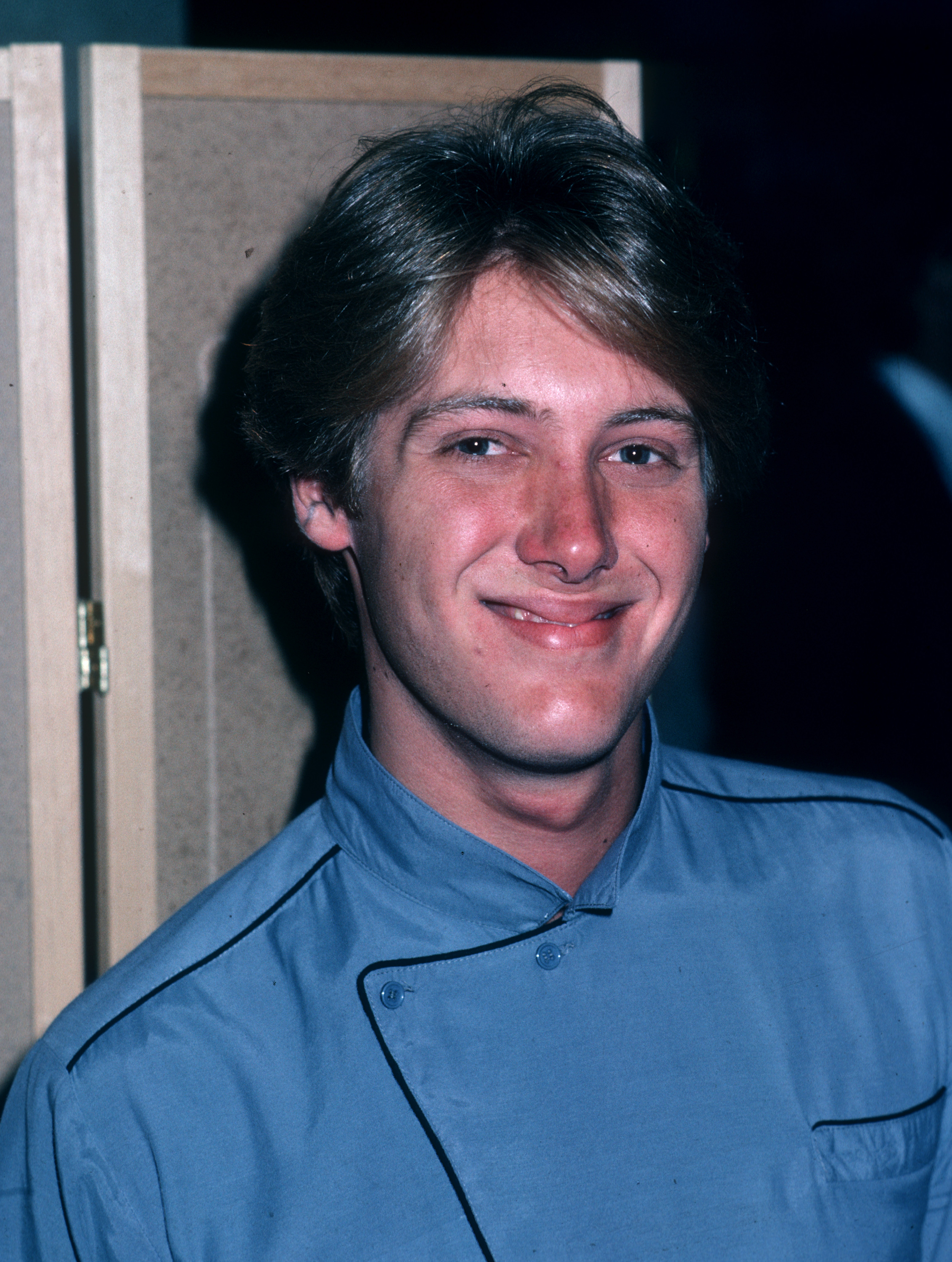
James Spader attends the premiere party for “Endless Love” on July 16, 1981 at Hisae Restaurant in New York City | Source: Getty Images
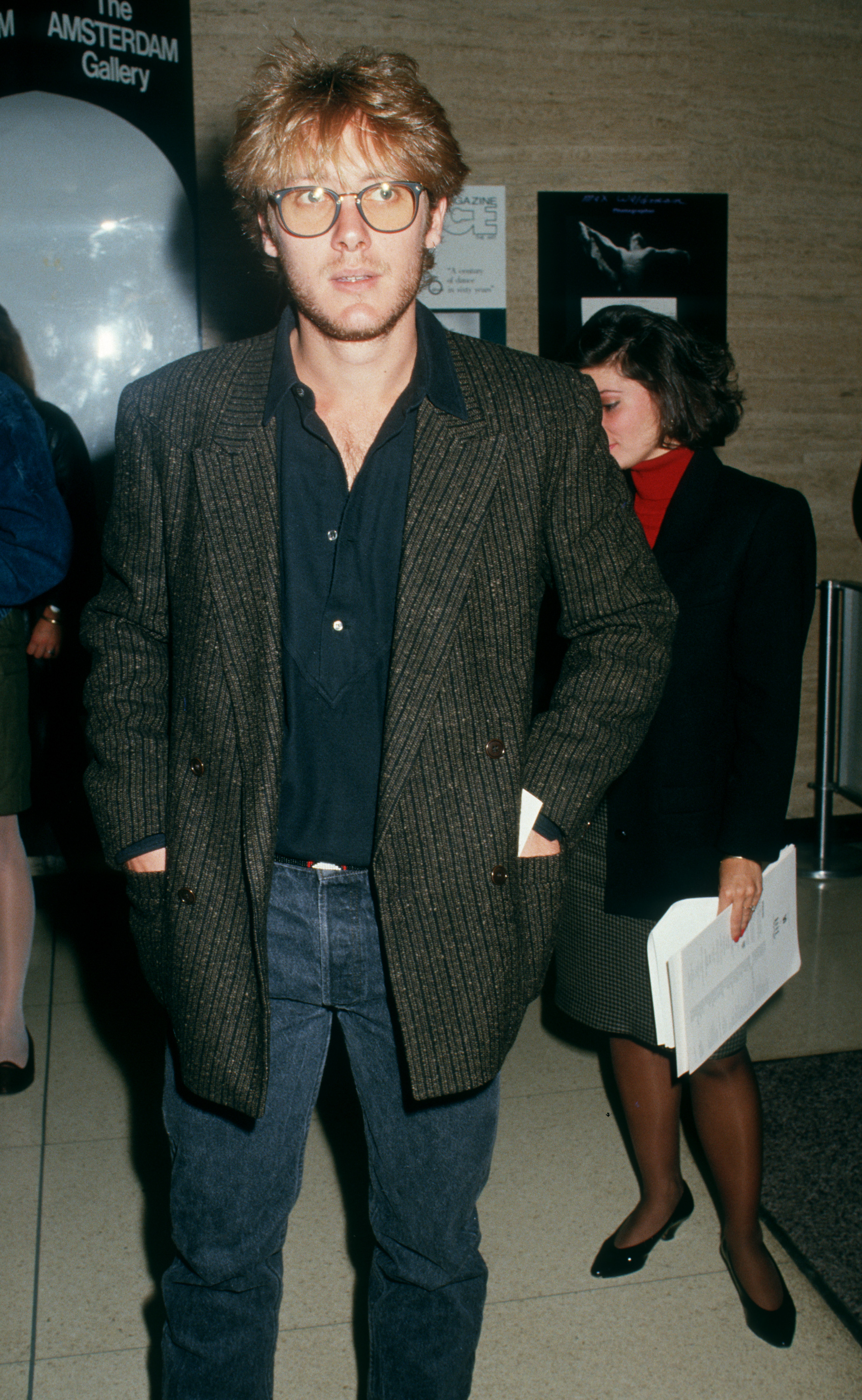
James Spader attends the premiere of “Baby Boom” on October 1, 1987 at Lincoln Center in New York City | Source: Getty Images
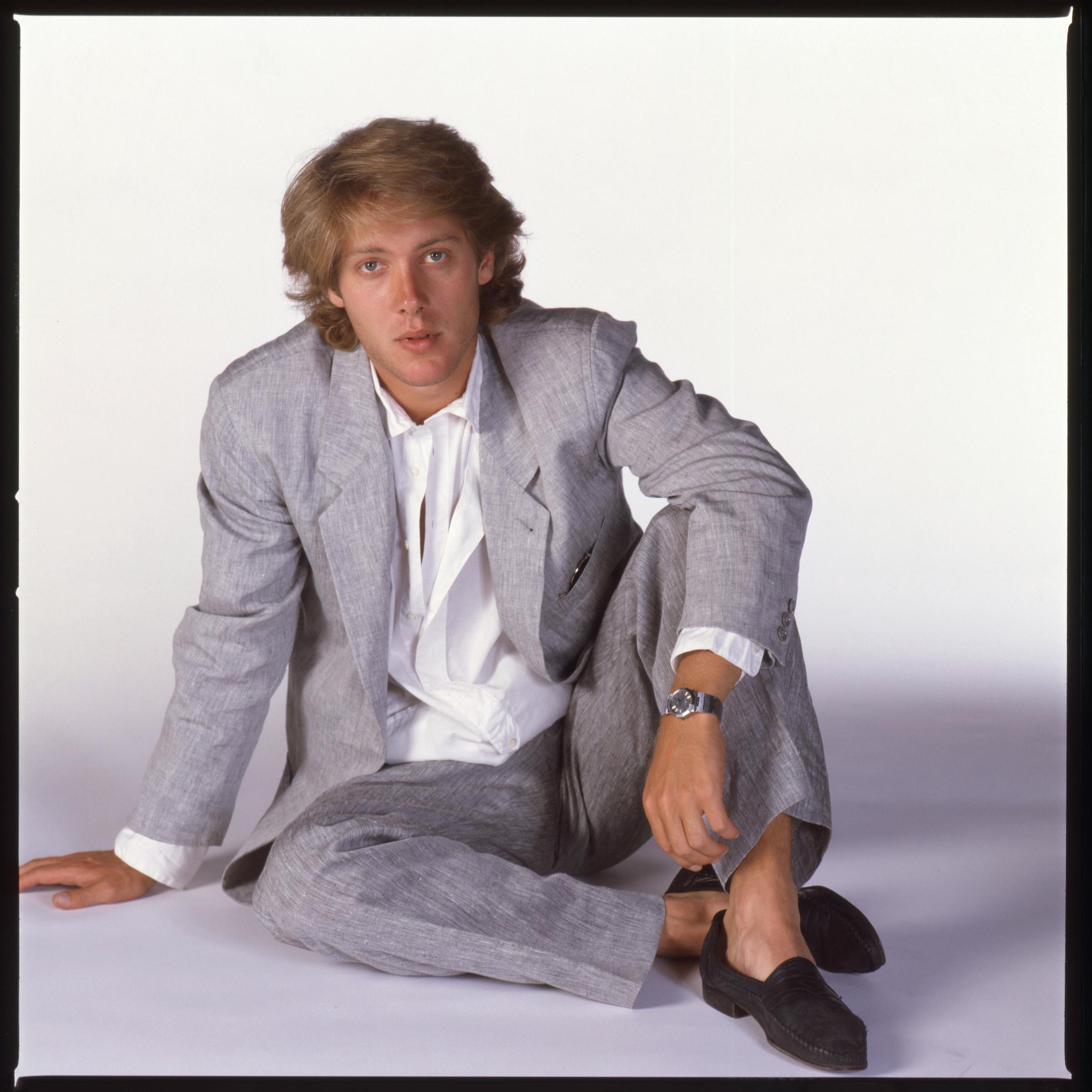
James Spader in “Pretty in Pink” in 1986 | Source: Getty Images
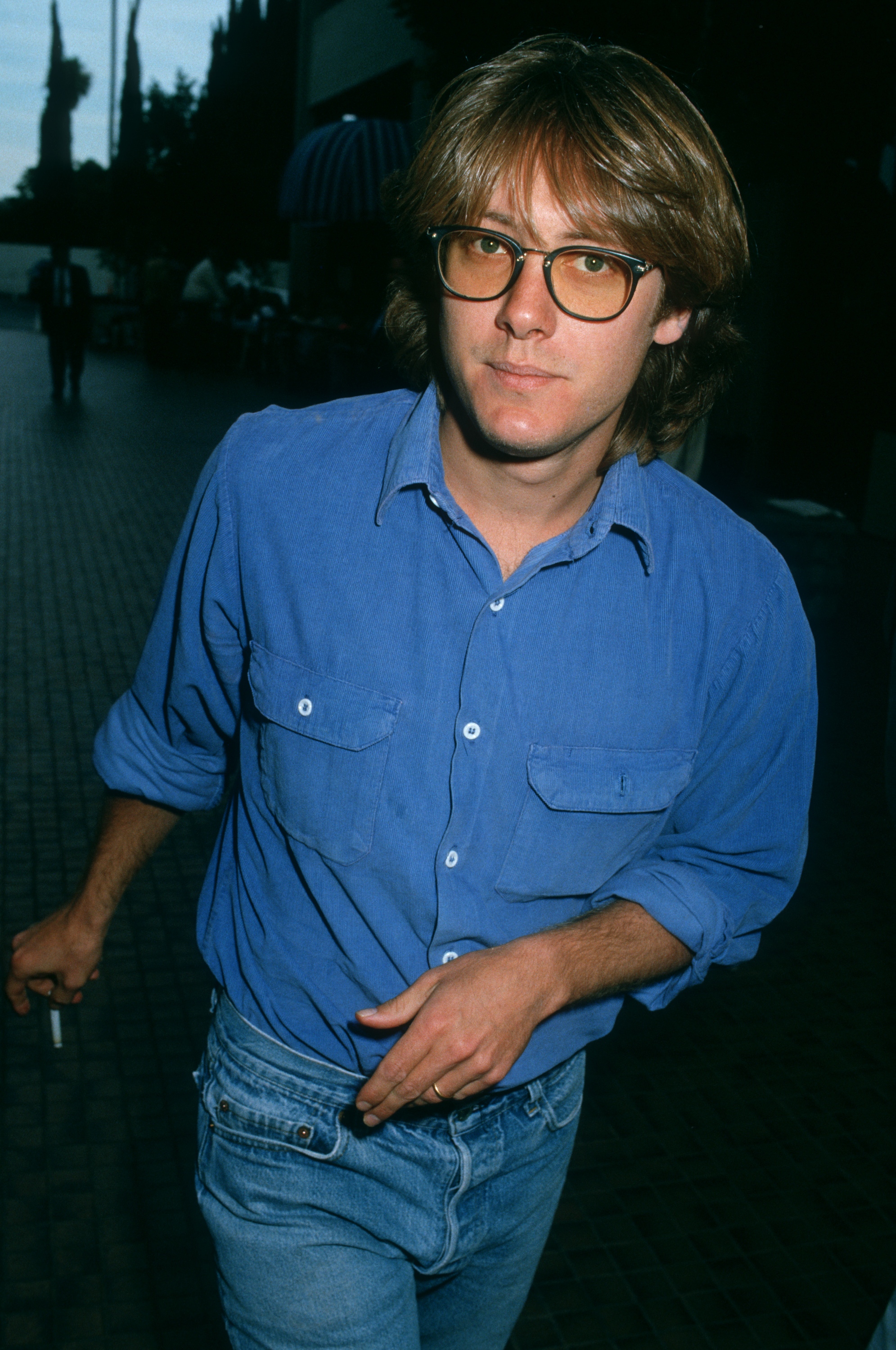
James Spader attends the premiere of “Big” on May 31, 1988 at the Cineplex Odeon Cinema in Century City, California | Source: Getty Images