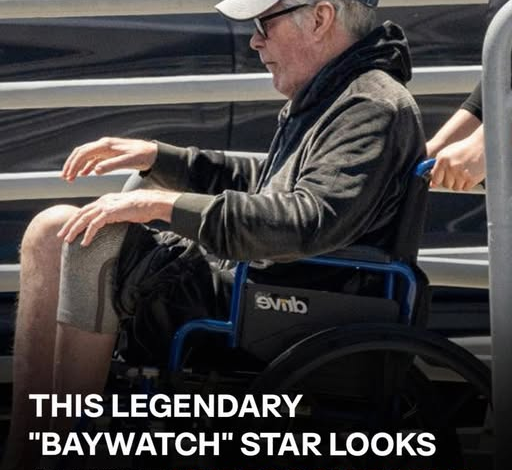
For millions of people who grew up in the 1980s and 1990s, David Hasselhoff did not seem entirely human.
He belonged to that rare category of television celebrity who felt larger than ordinary life itself.
He drove an indestructible talking car.
Ran across California beaches in slow motion.
Performed concerts before massive European crowds.
Smiled with effortless confidence while looking physically invincible.
To many fans, he represented a very specific kind of pop-culture masculinity:
strong,
charismatic,
energetic,
untouchable.
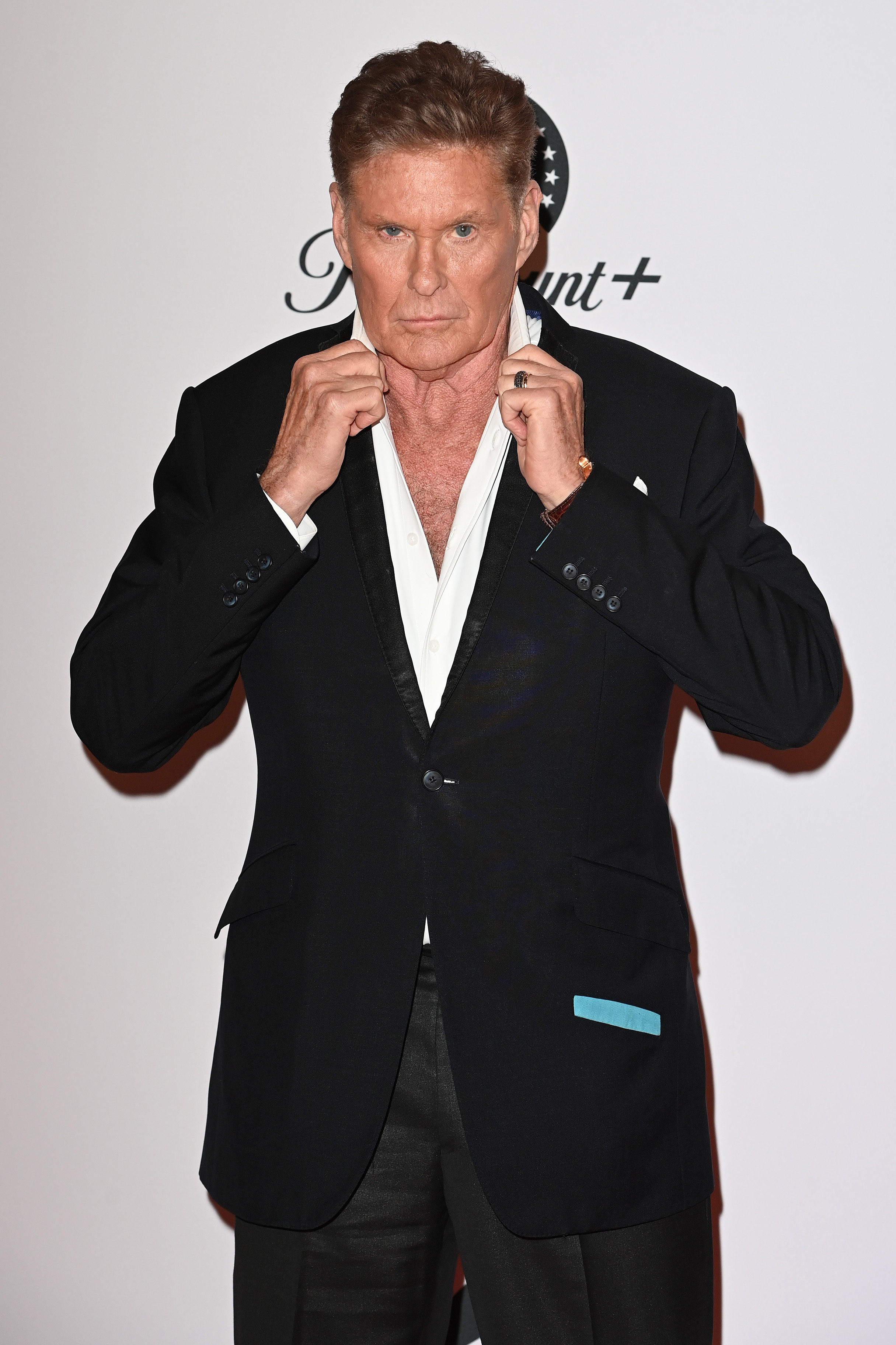
The actor attends the red carpet during the MTV Europe Music Awards held at PSD Bank Dome on November 13, 2022 in Duesseldorf, Germany | Source: Getty Images
And perhaps that is why recent photographs of him using a walker and wheelchair struck people so emotionally online.
Not only because he looked thinner or older.
Because for the first time, many fans were forced to confront something they spend years unconsciously avoiding:
even the icons of our childhood eventually become fragile human beings too.
The images spreading online in recent months felt jarring partly because audiences still carry such a vivid memory of the “Baywatch” version of David Hasselhoff in their minds.
The broad shoulders.
The runner’s physique.
The endless energy.
So when recent public appearances showed him looking frail during recovery from multiple surgeries, the internet reacted almost with collective disbelief.
“It’s sad to see him like this.”
“Wow. I barely recognize him.”
“My hero in childhood makes me sad to see him like this.”
Those comments flooded social media not simply because fans were shocked by aging.
They were reacting to the collapse of a long-held illusion:
that the people who seemed invincible onscreen somehow remain untouched by time in real life.
The concern first intensified in May 2025, when Hasselhoff was photographed moving through Los Angeles International Airport in visible discomfort.
At first he limped beside his wife, Hayley Roberts.
Then later he appeared in a wheelchair.
Despite the obvious physical strain, he still tried to reassure photographers casually:
“I’m having knee surgery next week.”
That detail feels important because celebrities from older generations often approach public vulnerability differently than younger stars.
Many were raised professionally inside an entertainment culture where pain was minimized,
fatigue hidden,
struggle softened through humor.
So even while clearly uncomfortable, Hasselhoff reportedly remained upbeat during the outing after returning from Cancun with Hayley.
But the public reaction intensified again in April 2026 when newer photographs emerged showing him using a walker after both knee and hip replacement surgeries.
This time, the physical transformation appeared more dramatic.
He looked significantly thinner.
More fragile.
Less physically recognizable to fans still emotionally attached to the muscular television icon they remembered.
And perhaps one of the most revealing reactions online came from people insisting:
“That doesn’t even look like him.”
That response happens often when beloved celebrities age publicly.
Fans are not only reacting to changed appearance.
They are reacting to emotional disorientation.
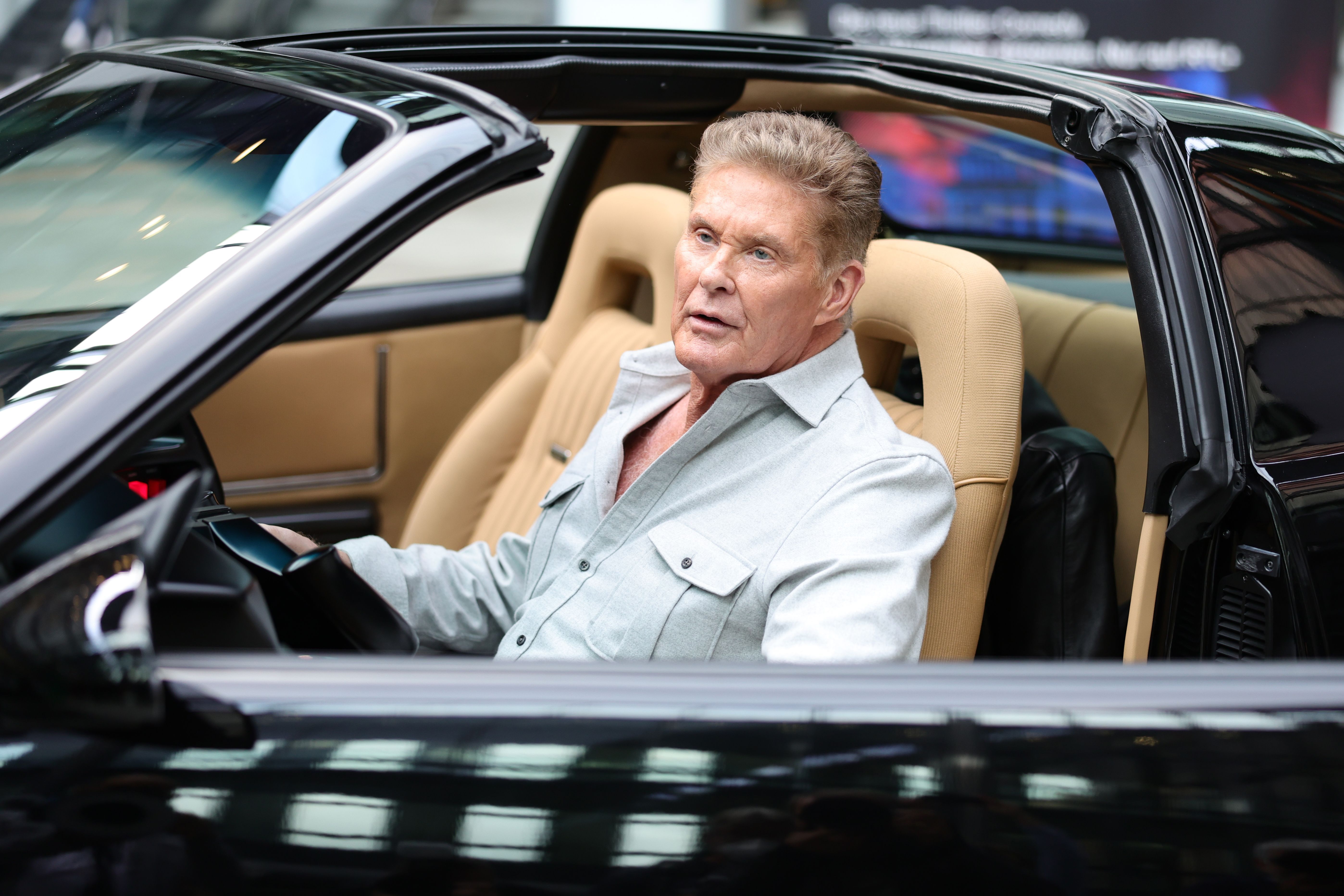
The actor attends the “Ze Network” photocall on October 24, 2022 in Cologne, Germany | Source: Getty Images
Because memory preserves people selectively.
For many viewers, David Hasselhoff still exists permanently somewhere between:
“Knight Rider,”
“Baywatch,”
and those giant concert performances in Europe where he seemed endlessly energetic.
The human body aging underneath that memory can feel almost shocking when audiences encounter it directly.
A source later clarified that Hasselhoff had been leaving physical therapy and remained active despite the surgeries.
He still exercised.
Still hiked.
Still pushed himself physically during recovery.
But then came another difficult round of photographs in May 2026 showing him again in a wheelchair outside a physical therapy appointment in Los Angeles.
This time, a visible bandage wrapped around his ankle intensified concern further.
The images triggered another wave of emotional responses online:
“He looks 90.”
“So heartbreaking.”
And beneath those comments sat something deeper than celebrity gossip.
People were grieving the visible vulnerability of someone once associated with physical power and confidence.
That emotional reaction becomes more understandable once you remember how deeply embedded David Hasselhoff became inside global pop culture.
Before the surgeries.
Before the walkers and wheelchairs.
Before recovery became public.
There was “Knight Rider.”
As Michael Knight, Hasselhoff embodied a fantasy that defined much of 1980s television masculinity:
heroic but approachable,
cool without seeming cruel,
strong without appearing emotionally unreachable.
The talking car KITT became iconic, but the series only worked because audiences trusted Hasselhoff at the center of it.
Then came “Baywatch.”
And everything expanded.
The show exploded internationally, eventually becoming one of the most-watched television series in the world.
It is difficult to explain to younger audiences now just how enormous “Baywatch” became culturally.
The red swimsuits.
The beaches.
The slow-motion running scenes.
The series turned bodies into spectacle and transformed its cast into symbols of glamour, youth, and physical perfection.
At the center stood Hasselhoff:
sunburned,
muscular,
confident,
almost cartoonishly larger than life.
That image stayed frozen in public memory for decades.
But the real David Hasselhoff always existed beyond those roles too.
Long before worldwide fame, he had already dedicated himself to performance seriously from childhood, taking acting, singing, and dancing lessons after discovering his love for entertainment at only seven years old.
That detail matters because people often forget how much work sits underneath celebrity personas that later appear effortless.
And Hasselhoff was never only an actor.
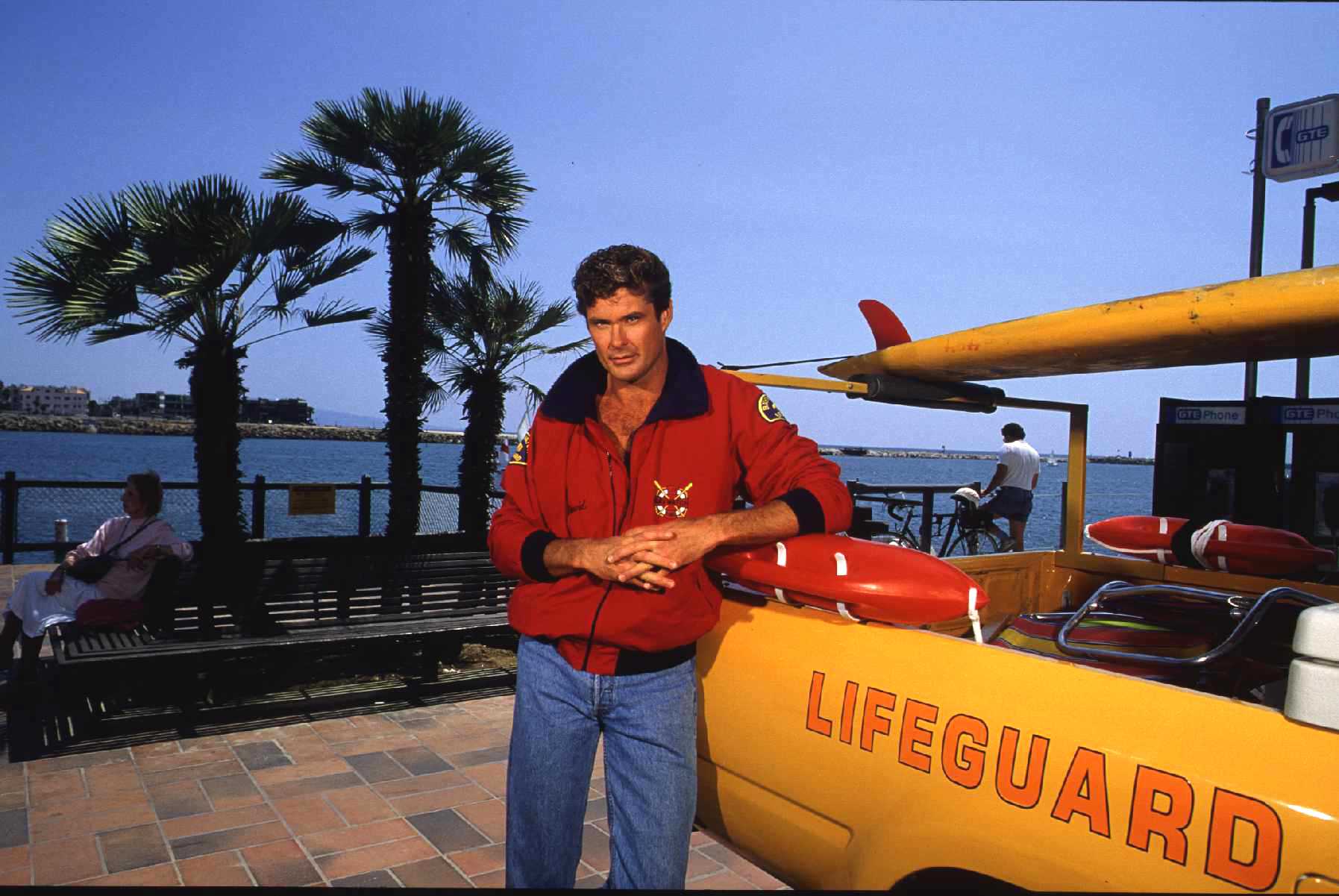
David Hasselhoff in 1993 | Source: Getty Images
His music career became unexpectedly massive overseas, especially in Europe, where he released nine studio albums and developed an intensely loyal fan base.
For many Europeans, Hasselhoff represented not only American television culture, but a strange and uniquely sincere kind of entertainment energy:
earnest,
enthusiastic,
unembarrassed by spectacle.
Even in recent years, long after most stars from his era slowed down publicly, he continued performing.
In 2024, he still appeared onstage at the Forever Young 80s Open Air Festival in Vienna and later joined Andreas Gabalier during a concert at Olympic Stadium.
That persistence says something important about performers of his generation.
For many entertainers, performance is not merely a career.
It becomes identity itself.
Stepping away entirely can feel psychologically impossible because applause and public connection shaped their lives for decades.
Outside entertainment, Hasselhoff also built a quieter identity through family life and charity work.
He devoted time to organizations supporting terminally ill and disabled children through “Race For Life.”
He loved hiking,
scuba diving,
rafting,
tennis.
Again, those details matter because they reinforce how active and physically engaged he remained for most of his life.
Which perhaps makes the current recovery process feel emotionally harder for longtime fans to witness.
Meanwhile, another layer of sadness shadows his recent health struggles:
the memory of past family losses.
Hasselhoff shares daughters Taylor-Ann and Hayley Amber with his late ex-wife Pamela Bach-Hasselhoff.
Over the years, public scrutiny surrounding his personal life often overshadowed quieter realities:
fatherhood,
aging,
trying to rebuild stability privately after difficult periods publicly.
In 2023, he proudly walked Taylor-Ann down the aisle at her wedding.
Then came another joyful milestone:
becoming a grandfather after the birth of baby London Hasselhoff Fiore.
Those moments matter emotionally because they reveal another transition audiences often resist seeing in celebrities.
The action heroes and heartthrobs of one generation eventually become grandparents in the next.
Time continues whether public memory emotionally accepts it or not.
And throughout these recent health struggles, one person has remained constantly beside him:
Hayley Roberts.
Their relationship has attracted attention for years partly because of their twenty-seven-year age gap.
But reading their story closely reveals something quieter and more enduring underneath public fascination.
They met during his time judging “Britain’s Got Talent.”
Eventually he proposed during a beachside picnic in Malibu.
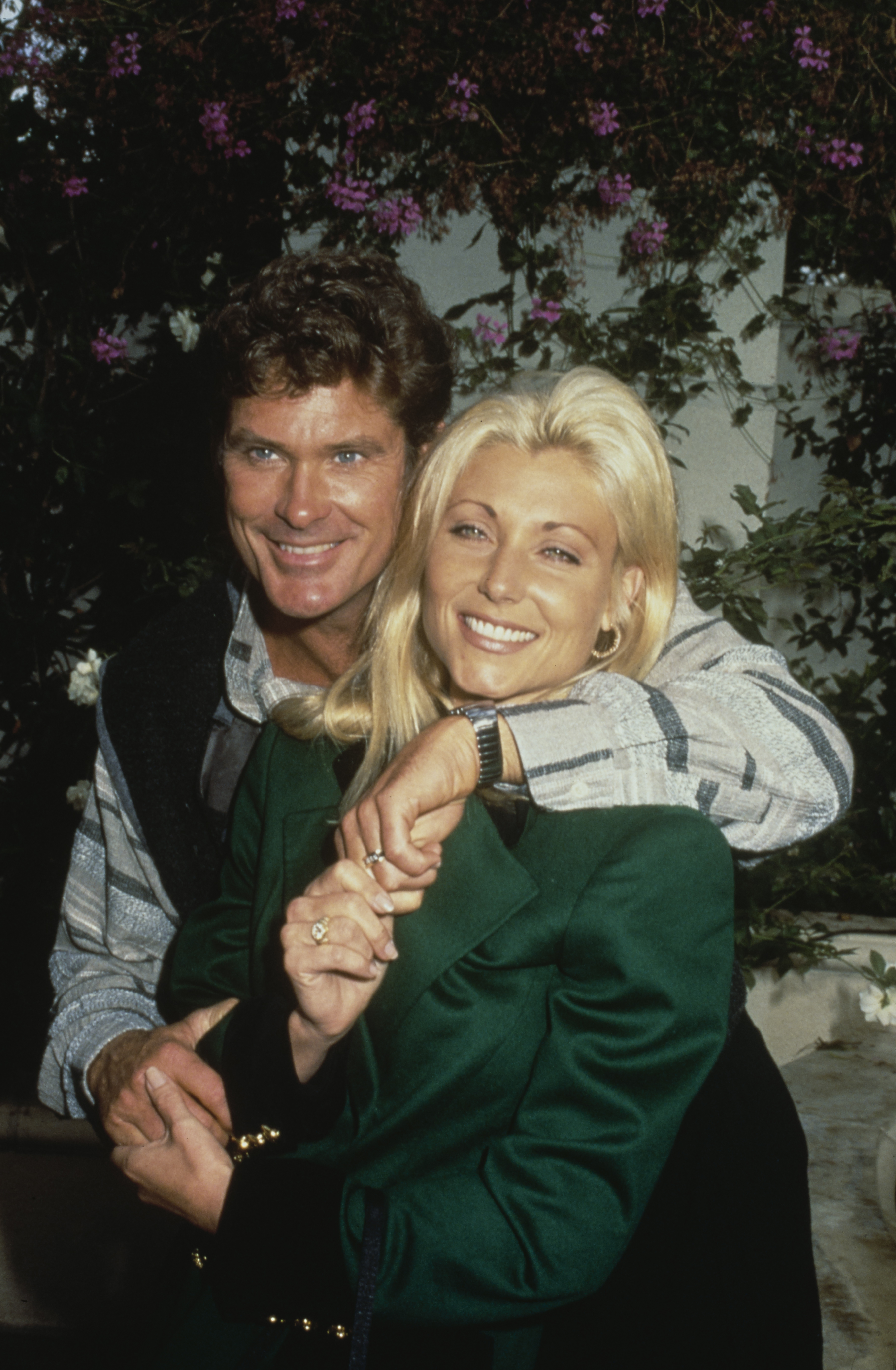
David Hasselhoff and Pamela Bach attend a press conference for “Baywatch Nights: held at the Peninsula Hotel in Beverly Hills, California, on October 6, 1994 | Source: Getty Images
Hasselhoff later admitted he hesitated because he feared he was “too old” for her.
That insecurity feels especially poignant now.
Because aging becomes emotionally different when experienced inside visible love relationships.
Public reactions often focus obsessively on appearance changes:
weight loss,
wrinkles,
mobility struggles.
But for couples, illness and aging become practical acts of devotion:
helping someone into a car,
waiting during physical therapy,
walking slowly beside them through airports.
The recent photographs showed Hayley assisting him repeatedly during recovery appointments.
And perhaps those images carried their own quiet emotional power too.
Not glamour.
Not celebrity spectacle.
Just partnership.
“You don’t get married because you want to live with someone,” Hasselhoff once said.
“You get married because you can’t live without them.”
That line feels different now than it might have years earlier.
Less romantic performance.
More hard-earned truth.
Because aging strips celebrity down eventually.
Underneath the television icon,
the red carpets,
the concerts,
the fame,
there is simply a human being navigating pain, surgery, recovery, fear, and physical limitation while trying to remain himself through all of it.
And maybe that is why the public response has felt so emotional.
Not because David Hasselhoff looks older.
Because seeing him vulnerable forces people to confront vulnerability in themselves too.
The heroes we grow up with become mirrors eventually.
They remind us:
time passes,
bodies weaken,
fame fades,
strength changes shape.
But they also remind us of something else.
A person’s legacy is never only the image preserved in old photographs or television reruns.
It is also:
the family still surrounding them,
the audiences still caring decades later,
the people helping them through difficult seasons,
and the simple determination to keep moving forward even when recovery becomes painfully visible.
Right now, David Hasselhoff is no longer running down beaches in slow motion.
He is doing something quieter and perhaps more human:
learning how to endure being fragile in public after spending most of his life looking invincible.