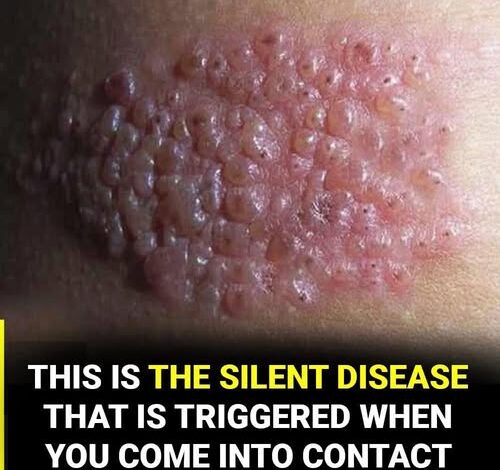
Shingles, medically known as herpes zoster, is a condition that often surprises people when it appears. Many are unaware of where it comes from, why it develops, or how it can affect individuals who otherwise seem healthy. Although it is rarely a frequent topic of conversation, shingles is relatively common, particularly among older adults, and understanding its causes and symptoms is essential for early treatment and prevention of complications.
The condition is caused by the varicella-zoster virus—the same virus responsible for chickenpox. What many people do not realize is that after recovering from chickenpox, the virus never completely leaves the body. Instead, it remains inactive within the nervous system, sometimes for decades, without causing any symptoms. Under certain circumstances, however, the virus can reactivate and reemerge as shingles.
This reactivation is most often linked to a weakened immune system. Aging is one of the most significant risk factors, but prolonged stress, chronic illnesses, immune-suppressing medications, and periods of intense physical or emotional strain can also create conditions that allow the virus to become active again. While shingles is more common in adults over the age of 50, younger individuals can develop it as well.
One of the challenges of shingles is that its earliest warning signs are often easy to overlook. Before any rash appears, people may experience localized pain, burning, tingling, itching, or unusual sensitivity in a specific area of the body. These symptoms can emerge days before visible skin changes occur, making early diagnosis difficult unless the signs are recognized and monitored carefully.
As the condition progresses, a distinctive rash typically develops. Unlike many other skin conditions, the rash usually appears on only one side of the body. This occurs because the virus travels along a specific nerve pathway, causing lesions to follow a defined pattern rather than spreading randomly. While the rash is often the most visible symptom, many patients report that the pain associated with shingles is far more severe and disruptive.
Fortunately, most cases respond well to prompt medical treatment. Antiviral medications can significantly reduce the duration and severity of the illness when started within the first 72 hours after symptoms appear. Early treatment also lowers the risk of long-term complications.
One of the most serious complications is postherpetic neuralgia, a condition characterized by persistent nerve pain that can continue long after the rash has healed. For some individuals, this discomfort lasts for months or even years. The pain is often described as burning, stabbing, or electric-like and can interfere with sleep, daily activities, and overall quality of life. This is why healthcare professionals strongly encourage people not to ignore early symptoms and to seek medical attention as soon as possible.
Another common question is whether shingles is contagious. The answer is somewhat complex. A person with shingles cannot directly transmit shingles to another person. However, they can spread the varicella-zoster virus to someone who has never had chickenpox or has not been vaccinated against it. In such cases, the exposed person may develop chickenpox, not shingles. During the active stage of the infection, it is advisable to avoid direct contact with newborns, pregnant women, and individuals with weakened immune systems.
Prevention has become increasingly important in recent years. Vaccines are now available that significantly reduce the risk of developing shingles and can lessen the severity of the illness if it does occur. Health authorities commonly recommend vaccination for older adults and others at increased risk, as it has proven highly effective in reducing both cases and complications.
Beyond medication and vaccination, shingles highlights a broader lesson about health. A strong immune system, effective stress management, and attention to early physical symptoms all play important roles in overall well-being. The body often provides subtle warning signs before a condition becomes more serious, and recognizing those signals can make a meaningful difference.
In the end, shingles is a well-known yet often underestimated condition. Understanding its origins, recognizing its early symptoms, and seeking timely treatment can greatly improve outcomes and reduce the risk of lasting complications. Awareness is not about creating fear—it is about empowering people with the knowledge needed to protect their health and respond effectively when warning signs appear.