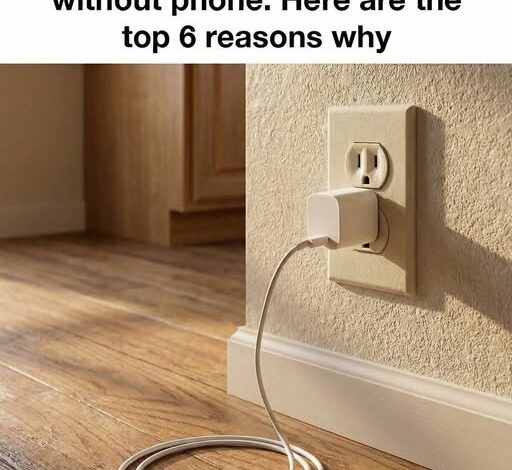
It takes only a second to unplug a charger, yet millions of people leave them connected to the wall day and night without giving it a second thought.
Phone chargers beside the bed.
Tablet chargers in the kitchen.
Laptop adapters tucked beneath desks.
Earbud chargers sitting permanently in living room outlets.
They’ve become such ordinary parts of everyday life that most people barely notice them anymore. Once a device finishes charging, the charger often stays exactly where it is, ready for the next use. It feels convenient, harmless, and insignificant.
But this small habit can quietly affect your home in ways many people never consider.
While a charger left in the wall may not seem like it is doing anything, many continue drawing a tiny amount of electricity even when no phone or tablet is attached. On its own, that amount of power is very small. However, when several chargers remain plugged in throughout a home every day of the year, the wasted energy can gradually add up.
This hidden electricity use is commonly known as standby power or “phantom” power.
It refers to the small amount of energy consumed by electronics that appear to be switched off but remain connected to an electrical outlet. Chargers, televisions, gaming consoles, coffee makers, and many other household devices can all contribute to this ongoing energy use.
Although the cost from a single charger is minimal, the combined effect of multiple devices operating continuously can increase household electricity consumption over time. Individually, the savings may seem small, but together they support more efficient energy use and reduce unnecessary waste.
There is another reason to think twice before leaving chargers plugged in.
Safety.
Modern chargers are designed with multiple protective features that make them generally safe for everyday use. Reputable manufacturers include safeguards against overheating, excessive current, and short circuits. However, no electrical device lasts forever.
As chargers age, internal components gradually wear down.
The cable may begin to fray.
The plug may loosen.
Plastic housings may develop cracks.
Low-quality or counterfeit chargers can pose even greater concerns because they may lack the same safety standards found in certified products.
When a damaged charger remains connected to power continuously, it may generate unnecessary heat or become more vulnerable to electrical failure. Although serious incidents are uncommon, unplugging chargers when they are not being used eliminates unnecessary electrical flow and reduces potential risk.
Power surges are another factor worth considering.
Electrical fluctuations caused by storms, utility problems, or sudden voltage changes can damage electronics connected to outlets. Even if a charger is not actively charging a device, remaining plugged into the wall may leave it exposed to these unexpected surges.
Disconnecting chargers during severe storms or when leaving home for extended periods provides an extra layer of protection for both the charger and the valuable devices connected to it.
Beyond energy savings and safety, unplugging chargers can also help extend their lifespan.
Every electrical component experiences gradual wear over time. While simply being plugged in does not immediately damage a charger, reducing unnecessary operating time may decrease long-term stress on internal circuits and electronic components. The longer a charger remains in good condition, the less often it needs replacing.
That brings another benefit many people overlook.
Less electronic waste.
Millions of chargers are discarded every year, adding to the growing challenge of electronic recycling around the world. Extending the life of chargers—even by a modest amount—helps reduce waste while conserving the materials and energy required to manufacture replacements.
Fortunately, developing better charging habits is remarkably simple.
Unplug chargers after your device reaches a full charge if you won’t be using them again soon.
Choose chargers certified by reputable manufacturers instead of inexpensive, unverified alternatives.
Inspect charging cables regularly for signs of damage, including fraying, exposed wires, bent connectors, or cracked housings.
Replace damaged chargers promptly rather than continuing to use them.
Store charging cables neatly to avoid unnecessary twisting or strain that can shorten their lifespan.
Some households also find it helpful to use power strips with built-in switches. Turning off a single switch disconnects multiple chargers and electronics at once, making it easier to reduce standby power without constantly plugging and unplugging individual devices.
It’s also important to keep the overall picture in perspective.
Leaving a modern, high-quality charger plugged into the wall is generally not considered a major safety hazard under normal conditions. Most certified chargers consume only a tiny amount of electricity while idle. The purpose of unplugging them is not because every charger is dangerous, but because simple habits can collectively improve efficiency, reduce unnecessary energy use, and provide an added measure of protection.
Sometimes the smallest routines create the biggest long-term benefits.
Saving a little electricity.
Reducing electronic waste.
Protecting valuable devices.
Helping chargers last longer.
None of these changes require expensive equipment or major lifestyle adjustments.
They simply require a moment of awareness.
A charger may be one of the smallest appliances in your home, but it serves as a reminder that everyday habits matter. Small decisions repeated consistently over time often have a greater impact than dramatic changes made only once.
The next time you unplug your phone, tablet, or laptop, consider taking one extra second to unplug the charger as well.
It’s a simple habit.
Yet one that quietly supports a safer, more energy-efficient, and more sustainable home.