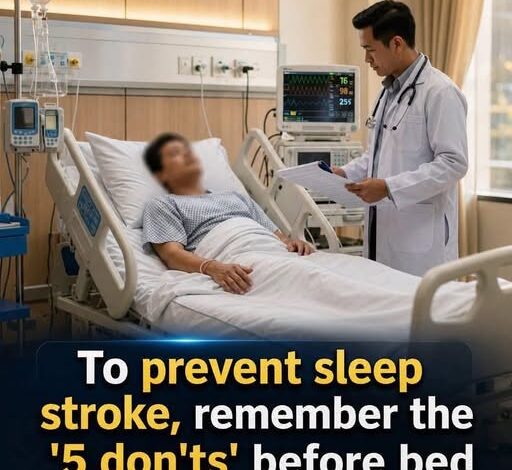
A stroke can happen without warning, turning an ordinary day into a medical emergency in a matter of seconds. When blood flow to part of the brain is blocked or when bleeding occurs within or around the brain, brain cells are deprived of the oxygen and nutrients they need to survive. The longer the interruption lasts, the greater the potential damage. Because of this, every minute counts when a stroke occurs.
The effects can be life-altering. A stroke may affect a person’s ability to speak, walk, see, remember, think clearly, or move one side of the body. Some people recover fully, while others face long-term challenges that require months or years of rehabilitation. Quick recognition and immediate medical attention can significantly improve outcomes, which is why understanding the warning signs is so important.
One of the easiest ways to remember the symptoms of stroke is through the acronym B.E. F.A.S.T.
B – Balance: Sudden loss of balance, dizziness, or difficulty walking.
E – Eyes: Sudden vision changes, blurred vision, double vision, or loss of sight in one or both eyes.
F – Face: Facial drooping, especially on one side of the face. Ask the person to smile and see if one side appears uneven.
A – Arms: Weakness, numbness, or inability to raise one arm normally.
S – Speech: Slurred speech, confusion, difficulty speaking, or trouble understanding others.
T – Time: If any of these symptoms appear, call emergency services immediately.
Additional warning signs may include sudden numbness on one side of the body, severe unexplained headache, confusion, difficulty understanding simple instructions, or a sudden loss of coordination. Even if symptoms disappear after a few minutes, medical attention is still necessary. Temporary symptoms can indicate a transient ischemic attack (TIA), often called a “mini-stroke,” which may serve as an important warning sign of a future stroke.
Some strokes occur during sleep and are only discovered upon waking. These are commonly known as wake-up strokes. A person may go to bed feeling completely normal and wake up unable to move an arm, speak clearly, see properly, or maintain balance. Because the exact time the stroke began is often unknown, treatment decisions can become more complicated. Nevertheless, anyone who wakes up with possible stroke symptoms should seek emergency medical care without delay.
Researchers continue to study why some strokes occur overnight or become apparent in the early morning hours. Several factors may contribute, including fluctuations in blood pressure during sleep, untreated sleep apnea, irregular heart rhythms, dehydration, and changes in the body’s natural clotting processes. While these factors cannot predict every stroke, they highlight the importance of maintaining overall cardiovascular health.
Many stroke risk factors can be managed or reduced with proper medical care and lifestyle changes. High blood pressure remains one of the most significant contributors to stroke risk. Other important factors include diabetes, smoking, high cholesterol, obesity, physical inactivity, atrial fibrillation, excessive alcohol consumption, and untreated sleep disorders.
Regular medical checkups play a critical role in prevention. Monitoring blood pressure, managing cholesterol levels, controlling blood sugar, and following prescribed treatments can help reduce the likelihood of future complications. Small improvements made consistently over time often have the greatest impact.
Healthy evening habits may also support long-term heart and brain health. Remaining upright after meals, rather than lying down immediately, can aid digestion and reduce discomfort. Light physical activity, such as a short walk after dinner, may help support blood sugar regulation and overall cardiovascular function.
Heavy meals late at night may interfere with sleep quality and digestion for some individuals. Alcohol before bed can also disrupt restorative sleep and may worsen conditions such as sleep apnea. Since sleep quality is closely connected to cardiovascular health, addressing sleep problems should be considered an important part of overall wellness.
Individuals who snore heavily, wake up gasping for air, feel excessively tired despite sleeping, or have been told they stop breathing during sleep should discuss these symptoms with a healthcare professional. Sleep apnea is a common but often undiagnosed condition that can increase the risk of stroke, heart disease, and other health complications.
Some people may also benefit from avoiding very hot baths immediately after large meals, particularly if they are prone to dizziness or blood pressure fluctuations. While bathing itself does not cause strokes, sudden changes in circulation can sometimes contribute to lightheadedness in susceptible individuals.
Ultimately, stroke prevention is not based on a single habit or shortcut. It is the result of a combination of healthy choices, regular medical care, and awareness of personal risk factors. Maintaining a healthy weight, staying physically active, avoiding tobacco, limiting alcohol, managing stress, and getting adequate sleep all contribute to better cardiovascular health.
Most importantly, know the warning signs and act quickly if they appear. If someone suddenly develops facial drooping, arm weakness, speech difficulties, balance problems, vision changes, confusion, or a severe unexplained headache, do not wait to see if the symptoms improve. Call emergency services immediately.
A stroke can change a life in minutes. Recognizing the signs, seeking help without delay, and taking steps to manage risk factors today can help protect your health, your independence, and your future.