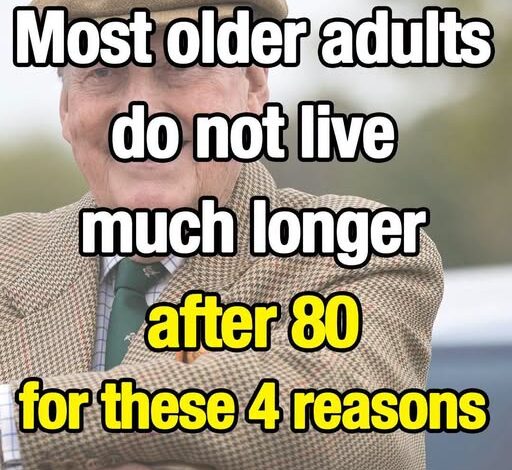
Growing older doesn’t have to mean growing smaller.
For many people in their 80s, life becomes less about chasing the next milestone and more about appreciating what has lasting value. The pace may slow, priorities may shift, and routines may change, but those changes can bring a clarity that younger years often leave little room to discover.
One of the strongest predictors of well-being in later life is having a sense of purpose.
That purpose doesn’t need to be extraordinary.
It may be tending a garden each morning, reading to a grandchild, volunteering a few hours each week, caring for a beloved pet, or making a daily phone call to a lifelong friend. What matters is having a reason to greet the day with intention. Even modest routines can provide structure, motivation, and a feeling of being connected to something beyond oneself.
Connection itself is equally important.
As people age, retirement, health challenges, and the loss of friends or loved ones can gradually reduce opportunities for social interaction. Yet research consistently shows that maintaining meaningful relationships supports both emotional and physical health.
That is why many older adults make a conscious effort to stay engaged.
They accept invitations for coffee.
Attend community events.
Participate in faith groups, clubs, or volunteer organizations.
Schedule regular phone calls or video chats with family and friends.
These moments of connection do more than fill the calendar—they help combat loneliness, stimulate the mind, and remind people that they continue to play an important role in the lives of others.
Physical activity remains another cornerstone of healthy aging.
Movement doesn’t have to involve intense workouts or athletic achievements. A daily walk, gentle stretching, gardening, swimming, or simple balance and strength exercises can help preserve mobility, reduce the risk of falls, and support independence. Remaining active also benefits heart health, brain function, and overall mood.
The goal isn’t perfection.
It’s consistency.
Nutrition deserves equal attention.
As appetite and metabolism change with age, eating balanced, nourishing meals becomes even more important. Fruits, vegetables, whole grains, lean proteins, healthy fats, and adequate hydration all help support energy, muscle strength, bone health, and immune function. Rather than viewing meals as an afterthought, many healthy older adults treat food as one of the most valuable investments they can make in their future well-being.
Mental and emotional health matter just as much.
Reading, learning new skills, solving puzzles, listening to music, practicing hobbies, or exploring creative interests help keep the mind engaged. Just as importantly, allowing room for laughter, gratitude, and meaningful conversation can make everyday life richer and more satisfying.
Perhaps the greatest lesson many people discover in their 80s is that fulfillment rarely comes from dramatic accomplishments.
It grows from ordinary moments.
Watching birds outside the window.
Sharing stories around the dinner table.
Holding a grandchild’s hand.
Enjoying a favorite meal.
Feeling the satisfaction of another day lived with purpose.
These experiences may seem simple, but together they create a life filled with meaning.
Healthy aging isn’t about avoiding every challenge.
It means adapting with resilience, staying connected, caring for both body and mind, and continuing to find joy in the routines that give life shape. While no one can control every aspect of growing older, the choices made each day—staying active, nurturing relationships, eating well, and maintaining a sense of purpose—can have a lasting influence on both longevity and quality of life.
In the end, the richest years are not necessarily those with the fewest wrinkles or the greatest achievements. They are the years in which each day still holds a reason to get out of bed, someone to care about, something to look forward to, and the quiet confidence that life, at every age, is still worth living.