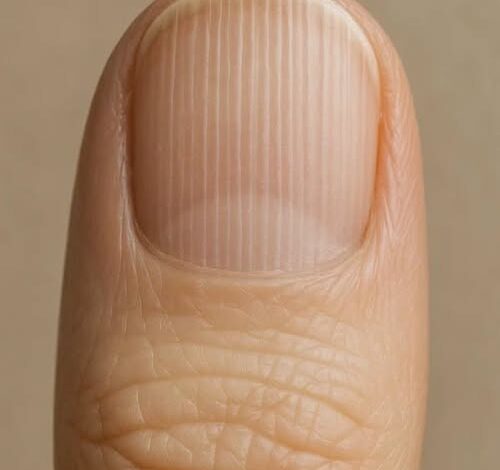
The first time many people notice faint vertical lines running from the base of their nails to the tips, it can be surprisingly unsettling. It’s easy to wonder whether those ridges are trying to signal an underlying health problem or whether they mean something is wrong. After all, our nails often reflect changes happening throughout the body. Fortunately, in most cases, those subtle grooves are not a cause for alarm. More often than not, they are simply another natural part of aging—much like the fine lines that gradually appear on our skin or the silver strands that find their way into our hair.
As the years pass, the body changes in countless small ways, many of them so gradual that we barely notice them. Fingernails are no exception. They are made primarily of keratin, the same strong protein found in hair and the outer layer of skin. Over time, the body’s production and renewal of keratin naturally slow, and nails can become slightly thinner, drier, and less smooth than they were in younger years. Those tiny changes make vertical ridges more noticeable, even though the nails continue to grow normally.
Age is only one piece of the puzzle.
Genetics also play a significant role in determining how your nails look throughout life. Some people inherit naturally smooth, glossy nails that remain relatively unchanged for decades, while others develop visible ridges much earlier simply because it runs in their family. Neither pattern is necessarily abnormal. Just as eye color, hair texture, and skin tone vary from person to person, nail appearance is influenced by individual genetics as well.
Daily life contributes to these changes too.
Our hands are constantly exposed to water, soaps, cleaning products, changing temperatures, and minor bumps that we rarely notice. Over months and years, this everyday wear can gradually affect the nail surface. Small decreases in circulation that naturally occur with aging may also influence nail growth, adding to the appearance of fine vertical lines. Individually, these factors may seem insignificant, but together they slowly leave their mark.
For most people, these ridges are simply a cosmetic change rather than a medical concern.
The more important question is not whether the lines are present, but whether they appear alongside other unusual changes. Healthy nails typically maintain their normal color, shape, and strength despite having vertical ridges. If the nails continue growing normally without discomfort, significant discoloration, or major structural changes, the ridges are generally considered a harmless feature of the aging process.
However, paying attention to your nails remains worthwhile.
If vertical ridges suddenly appear alongside symptoms such as persistent pain, deep cracks, dramatic splitting, unusual thickening, severe brittleness, or dark streaks that were not present before, it is wise to consult a healthcare professional. While many nail changes are completely benign, certain patterns can occasionally signal injuries, nutritional deficiencies, infections, or other medical conditions that deserve proper evaluation. Observing changes over time is often more informative than focusing on a single feature alone.
Even when the ridges themselves are harmless, there are several simple habits that can help keep nails looking healthier and feeling stronger.
Regular moisturizing is one of the easiest and most effective steps. Just as skin becomes drier with age, nails also benefit from added hydration. Applying hand cream, cuticle oil, or moisturizer after washing your hands helps reduce dryness and can improve the overall appearance of the nail surface. Healthy cuticles also support stronger nail growth by protecting the area where new nail cells develop.
Nutrition plays an important role as well.
A balanced diet that includes adequate protein, vitamins, minerals, and healthy fats provides the building blocks needed for healthy nail growth. Nutrients such as biotin, iron, zinc, and certain B vitamins contribute to maintaining strong nails, although supplements should only be taken when appropriate and under the guidance of a healthcare professional if deficiencies are suspected. Staying well hydrated also supports overall health, including the condition of the skin and nails.
Protecting your hands from unnecessary damage can make a noticeable difference over time.
Frequent exposure to harsh cleaning chemicals, prolonged contact with water, and repeated physical stress can gradually weaken nails. Wearing protective gloves while cleaning, gardening, or washing dishes helps minimize wear and reduces excessive drying. Small preventive habits often have a greater long-term impact than people realize.
Some individuals choose to gently buff the surface of their nails to reduce the appearance of vertical ridges.
When done carefully and only occasionally, light buffing can create a smoother finish before applying nail polish or simply improve the nail’s appearance. However, moderation is essential. Excessive buffing removes protective layers of the nail plate, making nails thinner and more vulnerable to breaking or splitting. The goal should be to enhance the nail’s appearance without sacrificing its strength.
Perhaps the most reassuring thing to remember is that aging leaves subtle signatures throughout the body, and our nails are no exception. Just as laughter lines reflect years of smiling and gray hair reflects the passage of time, vertical nail ridges often represent nothing more than the body’s natural progression through life.
Rather than viewing them as a warning, it can be helpful to see them as another reminder that our bodies continue to change in small, perfectly ordinary ways. By paying attention to overall nail health, practicing gentle care, maintaining good nutrition, and seeking medical advice when unusual changes appear, you can keep your nails healthy while understanding that not every visible difference is a sign of illness.
In the end, those delicate vertical lines are usually far less mysterious than they first appear. For most people, they are simply one more quiet reflection of a life well lived—a normal part of growing older, shared by countless others, and rarely a reason for concern.