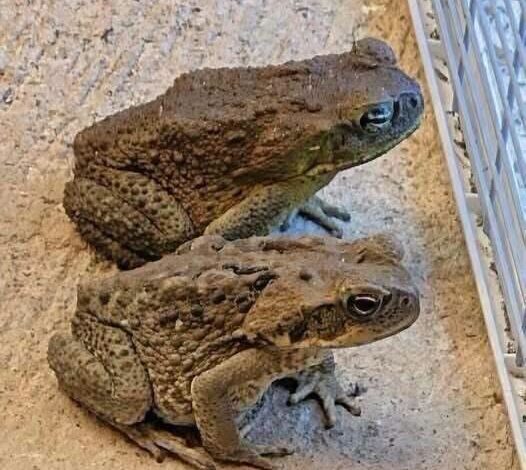
Spotting a toad in your yard may seem like an ordinary moment, but it often says something encouraging about the environment you’ve created.
Toads are highly sensitive to their surroundings. They thrive in places that offer moisture, shade, shelter, and a healthy supply of insects to eat. If one has taken up residence near your home, it’s often a sign that your garden provides the kind of balanced habitat many forms of wildlife depend on.
In that sense, a toad is more than a passing visitor.
It’s a natural partner.
Most toads spend their evenings quietly hunting insects, emerging after sunset to feed on mosquitoes, beetles, slugs, ants, caterpillars, and other small invertebrates. A single toad can consume hundreds of insects over time, helping to reduce garden pests without the need for chemical pesticides.
They ask for very little in return.
A shady place beneath shrubs or rocks.
A damp corner where they can avoid drying out.
Access to clean water nearby.
Given those simple conditions, they often become loyal residents, returning night after night to patrol the same areas.
Their presence can also reveal something about the health of the local ecosystem.
Because toads have permeable skin and spend part of their lives in water and part on land, they are especially sensitive to pollution and environmental changes. Healthy amphibian populations often suggest that the surrounding habitat is relatively supportive of wildlife, while declining numbers can sometimes indicate environmental stress.
Beyond ecology, toads have long held symbolic meaning in cultures around the world.
Many traditions associate them with transformation because of their remarkable life cycle. Beginning as tiny aquatic tadpoles before gradually developing legs, lungs, and life on land, they undergo one of nature’s most striking metamorphoses.
For many people, that journey represents resilience.
The reminder that growth often requires change.
That difficult transitions can lead to entirely new ways of living.
Other traditions view toads as symbols of good fortune, fertility, renewal, or protection. While these beliefs vary widely and are matters of personal or cultural tradition rather than scientific fact, they reflect the fascination people have felt toward these quiet amphibians for centuries.
Whether or not you attach symbolic meaning to their appearance, their ecological value is undeniable.
If you’d like to encourage toads to remain in your yard, a few simple practices can help:
- Leave small areas of natural shelter, such as leaf litter, logs, rocks, or dense ground cover.
- Avoid unnecessary pesticide use, which can reduce their food supply and harm amphibians directly.
- Provide a shallow source of clean water if appropriate for your area.
- Handle toads only when necessary, as their delicate skin is easily damaged.
One thing to remember is that toads are generally harmless to people. While many species produce mild defensive toxins through their skin to discourage predators, these are not dangerous from casual observation. However, it’s best to avoid handling them unnecessarily, and pets—especially dogs—should be discouraged from mouthing or chewing toads, as this can cause irritation or, in some species, more serious illness.
In the end, a toad’s quiet appearance is a reminder that even small gardens are part of a much larger living world.
Its nightly hunt helps keep insect populations in balance.
Its life cycle reflects nature’s remarkable ability to adapt and renew.
And its silent presence encourages us to look a little more closely at the wildlife sharing our neighborhoods.
Whether you see a toad as a helpful garden ally, an ecological indicator, or a meaningful personal symbol, its visit offers the same gentle lesson: healthy environments are built through balance, and even the smallest creatures play an important role in keeping that balance alive.