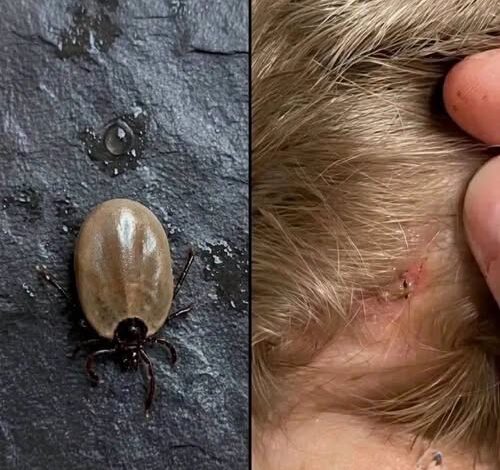
Finding a tick attached to your child can be alarming, and it is completely understandable to take the situation seriously. In the hours and days that follow, your attention may become one of the most valuable tools you have. Rather than relying on memory alone, document what you observe. Take clear photographs of the bite, note the date you found the tick, record where it was attached, and keep track of any symptoms that develop. These details can provide helpful information if your child needs medical evaluation later.
Continue watching the bite over the next several days and weeks.
If a rash develops—especially one that gradually expands or resembles a bullseye pattern—or if your child develops a fever, unusual fatigue, headaches, muscle or joint aches, or other concerning symptoms after a tick bite, contact a healthcare professional promptly. Even if there is no distinctive rash, pay attention to changes in how your child feels or behaves. Parents often notice subtle differences before anyone else does, and sharing those observations with a clinician can help paint a more complete picture.
Trusting your instincts does not mean assuming the worst.
It means recognizing when something feels different and making sure those concerns are heard. If your normally energetic child suddenly becomes unusually tired, less interested in playing, more irritable than usual, or simply doesn’t seem like themselves, those changes are worth mentioning during a medical visit. While many illnesses can cause similar symptoms, your observations are an important part of the evaluation.
Medical appointments can sometimes feel rushed, especially when symptoms are vague or just beginning. That is why keeping a simple timeline can be so valuable. Write down when the tick was discovered, how long it may have been attached if known, any symptoms that appear, changes from day to day, and any medications your child has taken. Having that information readily available allows healthcare providers to make more informed decisions and reduces the chance that important details are overlooked.
Don’t hesitate to ask questions.
If your child has been bitten by a tick, it is reasonable to ask whether Lyme disease or another tick-borne illness should be considered based on where the bite occurred, the type of tick if known, and your child’s symptoms. Your healthcare provider can explain whether testing, observation, preventive treatment in specific situations, or other follow-up is appropriate. Understanding the plan can provide reassurance while ensuring your child receives the care they need.
It is also important to remember that diagnosing tick-borne illnesses is not always straightforward. Early symptoms can resemble many common viral infections, and laboratory testing may not always be helpful immediately after exposure. For that reason, doctors often consider a combination of factors, including symptoms, physical examination, exposure history, and the likelihood of tick-borne disease in the area where the bite occurred. Keeping accurate records can support that process.
If your child’s symptoms worsen, new symptoms appear, or you remain concerned despite reassurance, it is appropriate to contact your healthcare provider again or seek another medical opinion. Seeking clarification or further evaluation when a child’s condition changes is a reasonable part of advocating for their health. Good communication between families and clinicians often leads to the best outcomes.
Fortunately, many tick bites never result in illness.
Even so, staying observant after a bite is worthwhile because early recognition of a developing problem allows timely medical care when needed. Most children who receive appropriate evaluation and treatment for tick-borne illnesses recover well, making prompt attention to concerning symptoms especially important.
Parents cannot control every risk their children encounter outdoors, but they can control how carefully they respond afterward. Careful observation, thoughtful documentation, and open communication with healthcare professionals create a strong foundation for good care. Sometimes the most important role a parent plays is simply noticing the small changes that others have not yet seen.
In the end, vigilance is not about living in fear. It is about being attentive, informed, and prepared. Your notes, your questions, and your willingness to follow up when something doesn’t seem right can help ensure that your child receives timely evaluation and appropriate care. That steady, persistent attention is often one of the most valuable protections a parent can provide.