Shingles often begins long before the rash appears.
Many people expect the first warning sign to be a line of blisters across the chest, back, or face. In reality, the earliest symptoms are often far more subtle—a strange tingling sensation, unexplained burning, itching, or sharp pain that seems to come from nowhere. Because those symptoms can resemble muscle strain, a pinched nerve, or even a minor skin irritation, it’s easy to dismiss them.
But beneath the surface, something remarkable is happening.
The virus responsible for shingles has likely been inside your body for decades.
After causing chickenpox, the varicella-zoster virus doesn’t disappear. Instead, it retreats into nerve tissue near the brain and spinal cord, where it can remain inactive for years without causing any symptoms. For most people, it stays dormant for life.
Sometimes, however, it reawakens.
As people grow older or when the immune system becomes weakened by illness, stress, certain medications, or other factors, the virus may become active again. Instead of causing chickenpox a second time, it travels along affected nerves toward the skin, producing the painful condition known as shingles.
The pain is often the first clue.
Some people describe it as burning.
Others compare it to stabbing, tingling, or electric shock-like sensations.
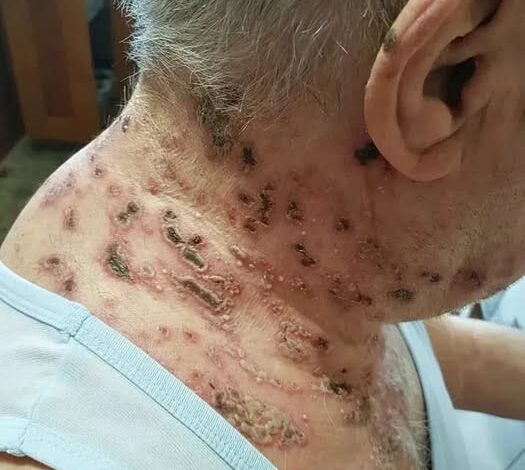
It usually affects only one side of the body or face because the virus follows a single nerve pathway. Several days later, a red rash typically develops, followed by clusters of fluid-filled blisters that eventually dry and form scabs.
While the rash is the most recognizable feature of shingles, the pain can be far more disruptive.
Even clothing brushing against the skin may become uncomfortable.
Sleeping, working, or carrying out everyday activities can suddenly become difficult.
For some individuals, the discomfort continues long after the rash has healed, a complication known as postherpetic neuralgia. This persistent nerve pain can last for months and, in some cases, even longer, making early treatment especially important.
Recognizing the warning signs can make a significant difference.
Antiviral medications work best when started within the first 72 hours after the rash appears—or as soon as possible if shingles is strongly suspected. These medications don’t eliminate the virus completely, but they can shorten the illness, reduce the severity of symptoms, and lower the risk of long-term complications.
That’s why it’s important not to ignore unusual pain accompanied by a developing rash, particularly if it affects only one side of the body.
Certain cases require especially urgent medical attention.
If shingles affects the face, especially near the eyes, immediate evaluation is essential because the infection can threaten vision if left untreated. Similarly, people with weakened immune systems or severe symptoms should seek prompt medical care.
Pain management is also an important part of recovery.
Healthcare providers may recommend over-the-counter pain relievers, prescription medications, cool compresses, or other supportive treatments depending on the severity of symptoms. Keeping the rash clean and dry can also help reduce discomfort and lower the risk of secondary skin infections.
Fortunately, prevention has become much more effective.
Vaccination significantly reduces the risk of developing shingles and its complications, particularly in older adults. Health authorities in many countries recommend the shingles vaccine for adults beginning around age 50, although recommendations may vary depending on individual health conditions and local guidelines. Even people who have previously had shingles may still benefit from vaccination because repeat episodes can occur.
Maintaining overall health also supports the immune system.
Adequate sleep, regular physical activity, balanced nutrition, stress management, and appropriate treatment of chronic medical conditions all contribute to immune function. While these measures cannot guarantee shingles will never occur, they help support the body’s natural defenses.
Perhaps the most important lesson about shingles is that early symptoms deserve attention.
Too often, people try to push through unexplained pain, assuming it will disappear on its own. They postpone seeking care because life feels too busy, responsibilities seem too pressing, or the symptoms don’t initially seem serious enough to warrant a doctor’s visit.
Yet those early sensations may be your body’s way of asking for help.
Responding promptly isn’t overreacting.
It’s making use of one of the most effective opportunities to limit the illness before it becomes more severe.
Shingles reminds us that viruses can leave lasting footprints long after an initial infection has passed.
But it also reminds us that knowledge is powerful.
Understanding the warning signs, seeking medical advice quickly, and considering vaccination can dramatically change the course of the illness.
In the end, protecting yourself isn’t simply about avoiding a rash.
It’s about preserving your comfort, your independence, your ability to sleep, work, and enjoy daily life without unnecessary pain. Paying attention to your body’s earliest signals may be one of the simplest—and most effective—ways to protect your health for years to come.