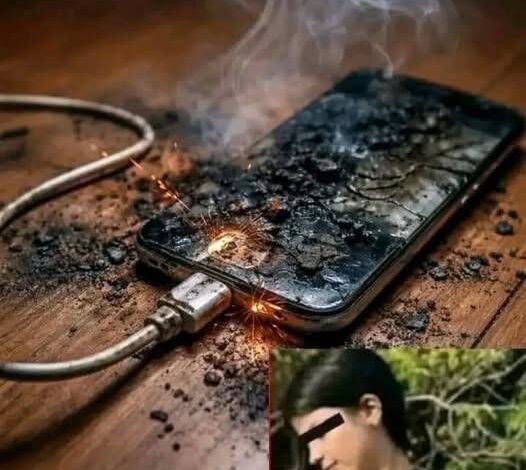
Phone chargers have become so common that most of us barely notice them anymore.
They’re plugged into bedroom outlets, tucked behind sofas, resting on office desks, and traveling in backpacks and suitcases. Because we use them every day, it’s easy to assume they’re completely harmless.
Most of the time, they are.
But like any electrical device, chargers can become a safety risk when they’re damaged, poorly made, or used improperly.
The danger usually doesn’t come from charging your phone itself.
Instead, it comes from the combination of faulty equipment, excessive heat, overloaded electrical circuits, or improper placement that prevents heat from escaping.
Every charger generates some warmth while it’s converting electricity to power your device.
A slight increase in temperature is perfectly normal.
However, a charger that becomes excessively hot to the touch, emits a burning smell, or causes discoloration around the plug deserves immediate attention.
Those may be warning signs that something isn’t working as it should.
The charging cable deserves just as much attention as the adapter.
Over time, cables can become bent, twisted, crushed under furniture, or repeatedly pulled from the cord instead of the connector. These small habits gradually weaken the internal wiring, increasing the likelihood of exposed conductors, electrical shorts, or unreliable charging.
If you notice fraying, cracked insulation, exposed wires, or loose connectors, it’s time to replace the cable.
Continuing to use damaged charging equipment is never worth the risk.
Not all chargers are built to the same standards, either.
Certified chargers from reputable manufacturers undergo testing for electrical safety, overheating protection, and other important safeguards. Very inexpensive counterfeit or uncertified chargers may not include those protections, increasing the possibility of electrical failure.
Choosing quality charging equipment can significantly improve both safety and long-term reliability.
Where you place your charger also matters.
Chargers release heat while operating, and that heat needs room to dissipate.
Covering a charger with blankets, pillows, clothing, stacks of paper, or other insulating materials can trap heat and cause temperatures to rise higher than intended.
Whenever possible, charge devices on a hard, open surface where air can circulate freely around both the charger and the phone.
Power strips and extension cords deserve careful use as well.
While they’re convenient, plugging numerous high-power devices into the same outlet can overload the circuit, especially if several appliances are drawing significant electricity at the same time.
Phones themselves typically consume relatively little power, but combining chargers with space heaters, microwaves, portable air conditioners, or other large appliances on the same extension cord can create unnecessary electrical stress.
Using power strips according to their rated capacity helps reduce that risk.
It’s also worth paying attention to the wall outlet itself.
A loose plug that slips out easily, visible scorch marks, buzzing sounds, or signs of heat around the outlet may indicate an electrical problem that extends beyond the charger.
If you notice any of these warning signs, stop using the outlet and have it inspected by a qualified electrician.
Electrical problems rarely improve on their own.
Many people also leave chargers plugged in continuously, even when no device is connected.
Although modern chargers typically draw only a very small amount of standby electricity, unplugging chargers when they aren’t needed can reduce unnecessary energy use and eliminate one more electrical device operating continuously in the home.
It’s a simple habit that contributes to both safety and efficiency.
Fortunately, preventing charging-related problems doesn’t require complicated equipment or expensive upgrades.
A few consistent habits make a meaningful difference:
- Use certified chargers and cables from reputable manufacturers.
- Replace damaged, frayed, or loose cables immediately.
- Keep chargers uncovered so heat can escape.
- Avoid overloading extension cords or power strips.
- Inspect outlets occasionally for signs of damage or overheating.
- Unplug chargers when they’re no longer needed.
These small precautions take only moments but can help reduce the risk of equipment failure and electrical hazards.
Technology has made our lives more convenient than ever, but convenience works best when paired with good safety habits.
Most chargers will provide years of reliable service without causing problems.
Taking a few seconds to inspect your equipment, use it correctly, and replace worn components when necessary helps ensure that charging your devices remains exactly what it should be—a routine part of daily life, not the source of a preventable emergency.